 Fin's Fish Guide

The Wide-eyed flounder (Bothus podas) is a saltwater fish of the family Bothidae that grows up to 45 cm.
Eastern Atlantic including the Mediterranean Sea and the Adriatic Sea, from Mauritania to Angola, Madeira, Cape Verde and the Canary Islands.
Description
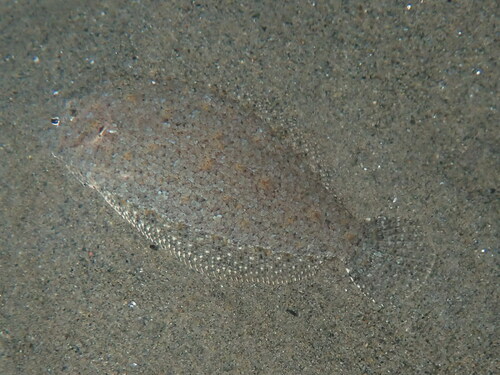
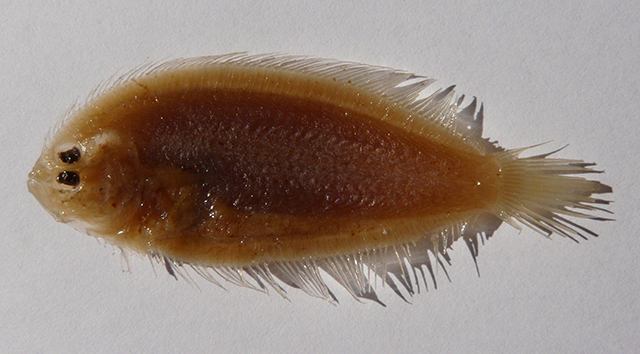
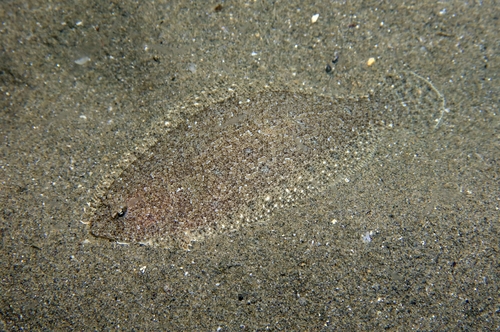
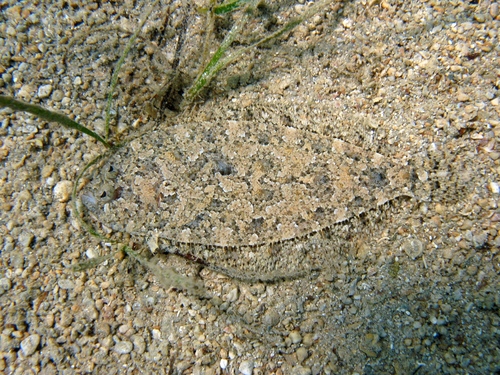
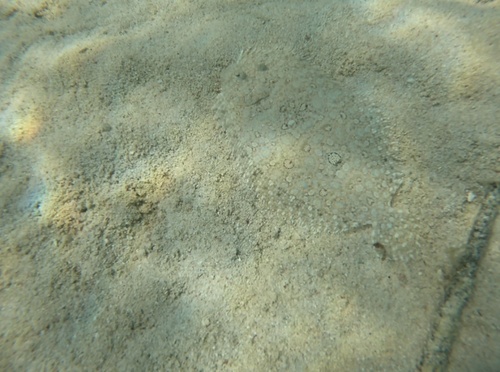
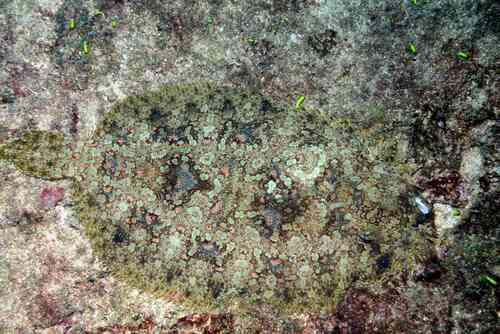
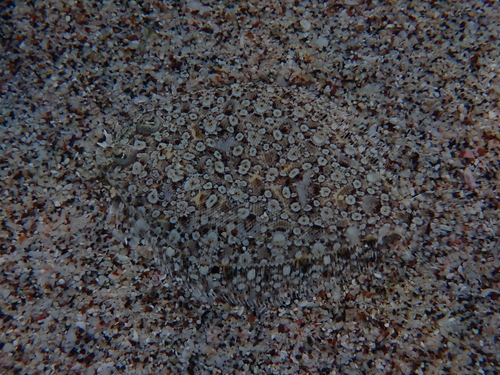
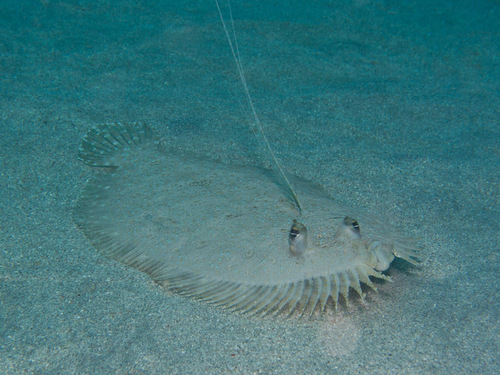
The wide-eyed flounder is a small, left-eyed flatfish of the family Bothidae reaching about 45 cm. It is characterised by widely spaced eyes, set further apart in males than females. The eyed side is light brown with dark spots that adapt to the substrate, while the blind side is white. The long dorsal fin runs around the edge of the body. The species lives on sand and mud bottoms of the continental shelf in the eastern Atlantic and Mediterranean at depths of 15 to 400 m, feeding on small bottom fishes and invertebrates. The wide-eyed flounder has little commercial value.
Frequently asked questions
How do you recognise the Wide-eyed flounder?
The Wide-eyed flounder has a flattened, disc-shaped body, is mainly brown and shows a spots pattern. Left-eyed flatfish with widely spaced eyes; upper side light brown with dark blotches that adapt to the substrate.
Where does the Wide-eyed flounder live?
The Wide-eyed flounder lives in the sea (marine waters) and is mostly found around sand or mud bottom. Eastern Atlantic including the Mediterranean Sea and the Adriatic Sea, from Mauritania to Angola, Madeira, Cape Verde and the Canary Islands.
How big does the Wide-eyed flounder get?
The Wide-eyed flounder grows to a maximum of about 45 cm. On average the species is around 13 cm.
Is the Wide-eyed flounder dangerous to humans?
No, the Wide-eyed flounder is harmless to humans. None required: this species is harmless to humans.
Is the Wide-eyed flounder edible?
The Wide-eyed flounder is rarely eaten.
More photos

Easily confused with
These species look like the Wide-eyed flounder and live in the same waters.

Want the complete picture on the Wide-eyed flounder?
Point your camera at the fish and Fin names the species in seconds. Free, and the Wide-eyed flounder is one of 12,519 species in the app.
All data
Identification
Appearance
Habitat & distribution
Behaviour & biology
For anglers
Safety
Status & sources
Same genus Bothus
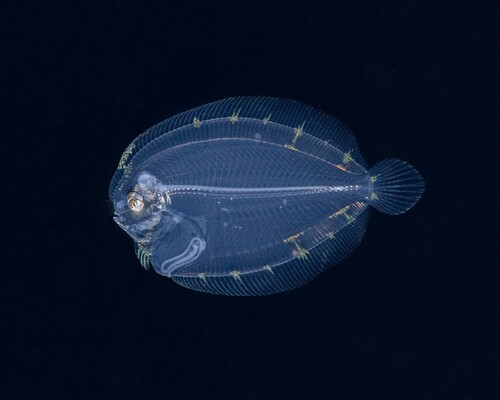
More from the family Bothidae
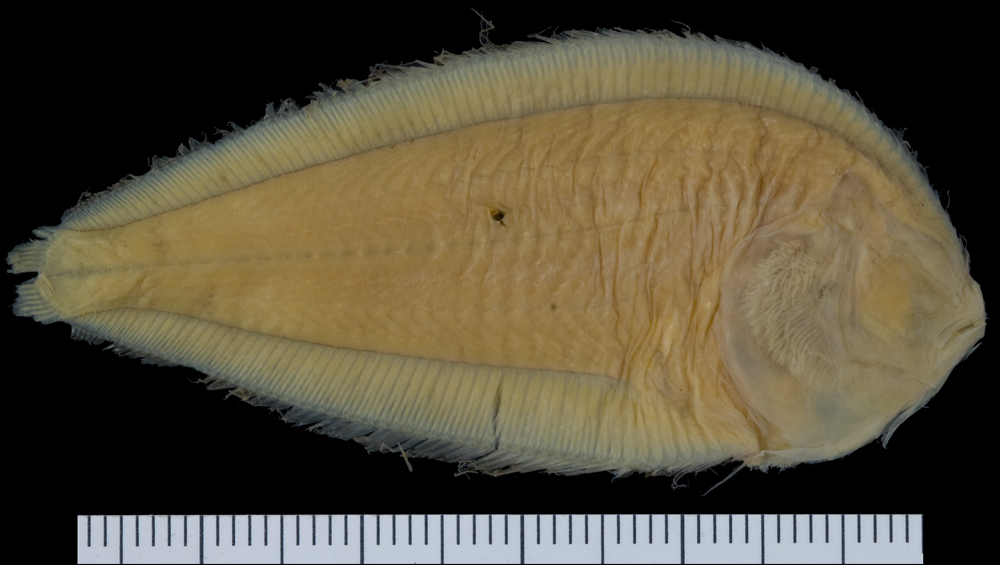


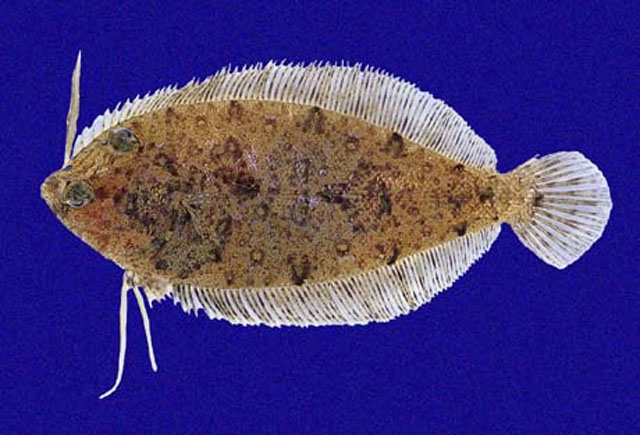
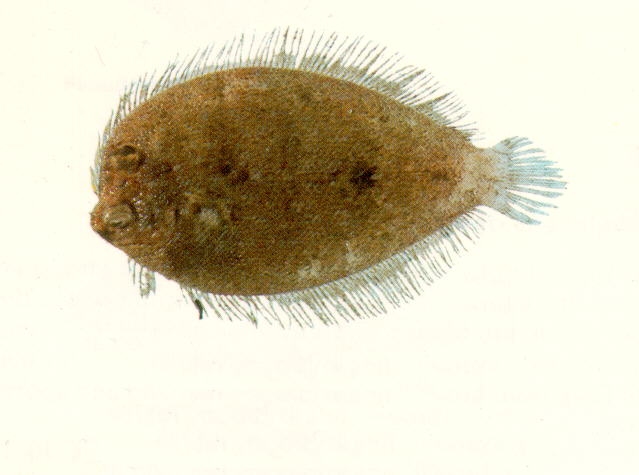


Want the complete picture on the Wide-eyed flounder?
Point your camera at the fish and Fin names the species in seconds. Free, and the Wide-eyed flounder is one of 12,519 species in the app.