 Fin's Fish Guide
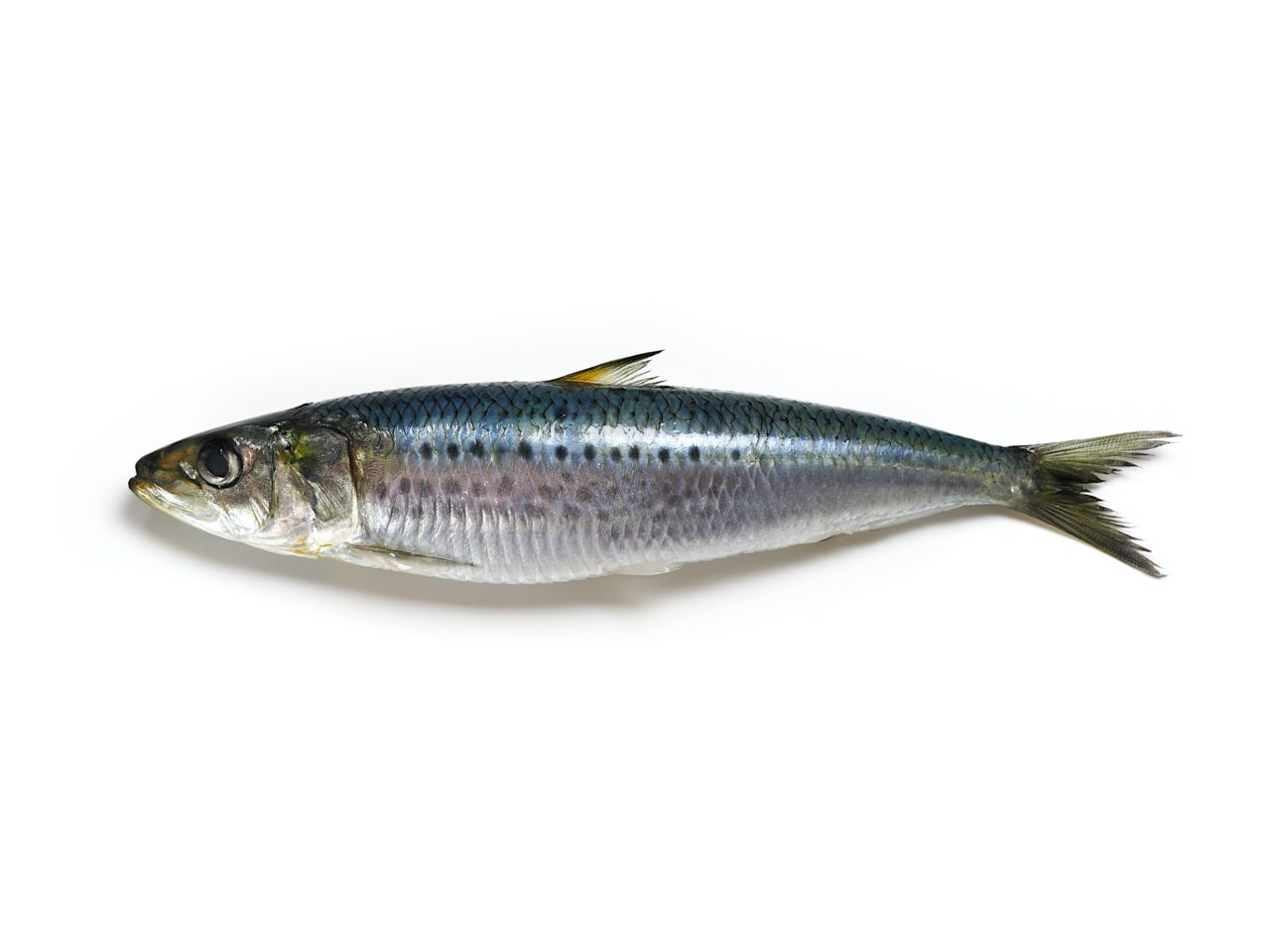
The European pilchard (Sardina pilchardus) is a fish that lives in both fresh and salt water of the family Clupeidae that grows up to 28 cm.
Northeast Atlantic from the North Sea to West Africa and the Mediterranean Sea, in coastal and surface waters.
Description
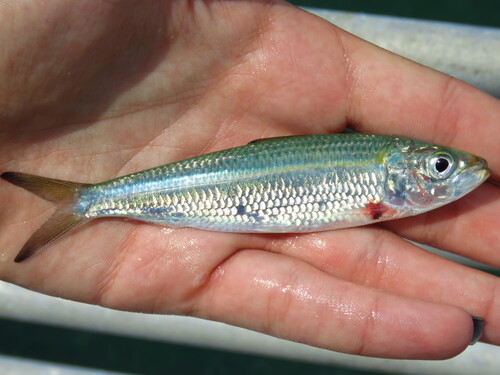
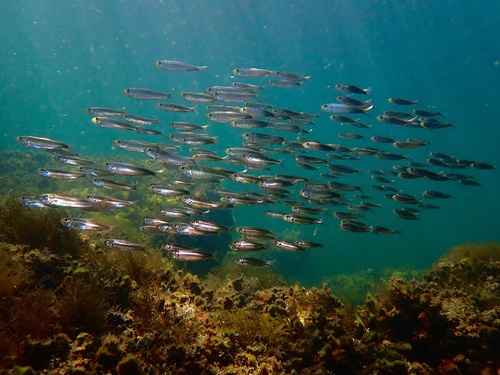
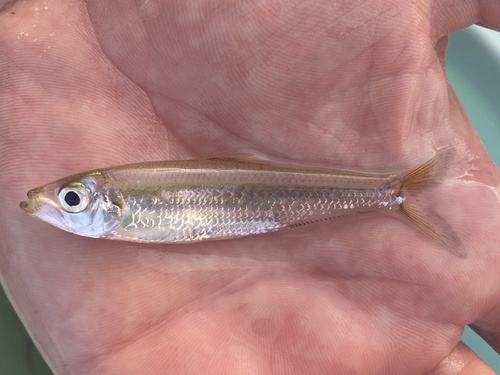
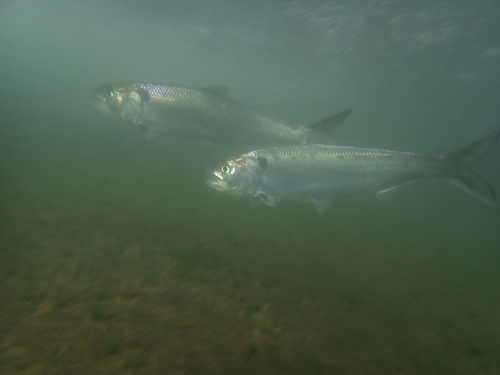
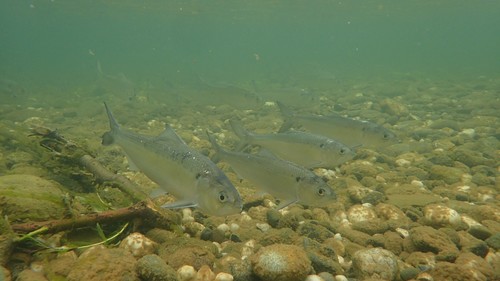
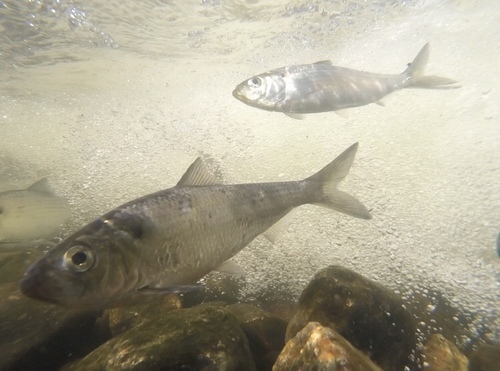
The European pilchard or sardine is a slender herring relative of the family Clupeidae reaching about 27 cm. The streamlined body is silver with a blue-green back, radial grooves on the gill cover and often a row of small dark spots along the flank. The species occurs in coastal and surface waters of the north-eastern Atlantic, from the North Sea to West Africa, and the Mediterranean, where it forms huge, fast-moving schools. It filters small animal and plant plankton from the water with fine gill rakers. The sardine is one of the most important commercial fish worldwide; it is grilled fresh and canned on a large scale, and is key prey for predators, seabirds and marine mammals.
Frequently asked questions
How do you recognise the European pilchard?
The European pilchard has a torpedo-shaped body, is mainly silver-grey and shows a plain pattern. Slender herring-like fish with radial grooves on the operculum and often a row of small dark spots on the flank; forms enormous shoals.
Where does the European pilchard live?
The European pilchard lives in both fresh and salt water and is mostly found around open water. Northeast Atlantic from the North Sea to West Africa and the Mediterranean Sea, in coastal and surface waters.
How big does the European pilchard get?
The European pilchard grows to a maximum of about 28 cm. On average the species is around 20 cm.
Is the European pilchard dangerous to humans?
No, the European pilchard is harmless to humans. None required: this species is harmless to humans.
Is the European pilchard edible?
Yes, the European pilchard is a highly prized food fish.
Easily confused with
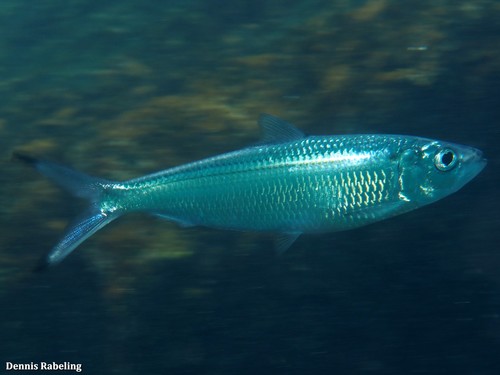
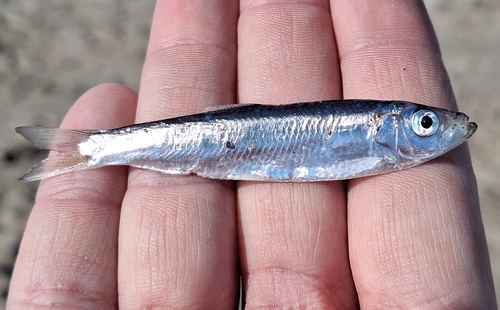
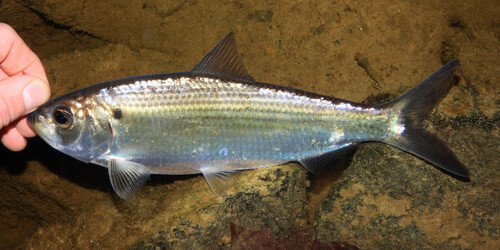
These species look like the European pilchard and live in the same waters.

Want the complete picture on the European pilchard?
Point your camera at the fish and Fin names the species in seconds. Free, and the European pilchard is one of 12,519 species in the app.
All data
Identification
Appearance
Habitat & distribution
Behaviour & biology
For anglers
Safety
Status & sources
More from the family Clupeidae




Want the complete picture on the European pilchard?
Point your camera at the fish and Fin names the species in seconds. Free, and the European pilchard is one of 12,519 species in the app.