Home · Scombridae · Cero
Cero (Scomberomorus regalis) — Scombridae

Cero

Scomberomorus regalis
Family: Scombridae
LC · Least Concern

The Cero (Scomberomorus regalis) is a saltwater fish of the family Scombridae that grows up to 183 cm.

Length
183 cm
Water
Saltwater
Depth
1.0–20.0 m
Diet
Carnivore
Behaviour
Small groups
Activity
Diurnal
Body shape
Torpedo-shaped
Substrate
Stone or rock
Danger
Venomous / poisonous
Range
Western Atlantic; clear waters around coral reefs.
Edibility
Commonly eaten

Want the complete picture on the Cero?

Get the app

Description

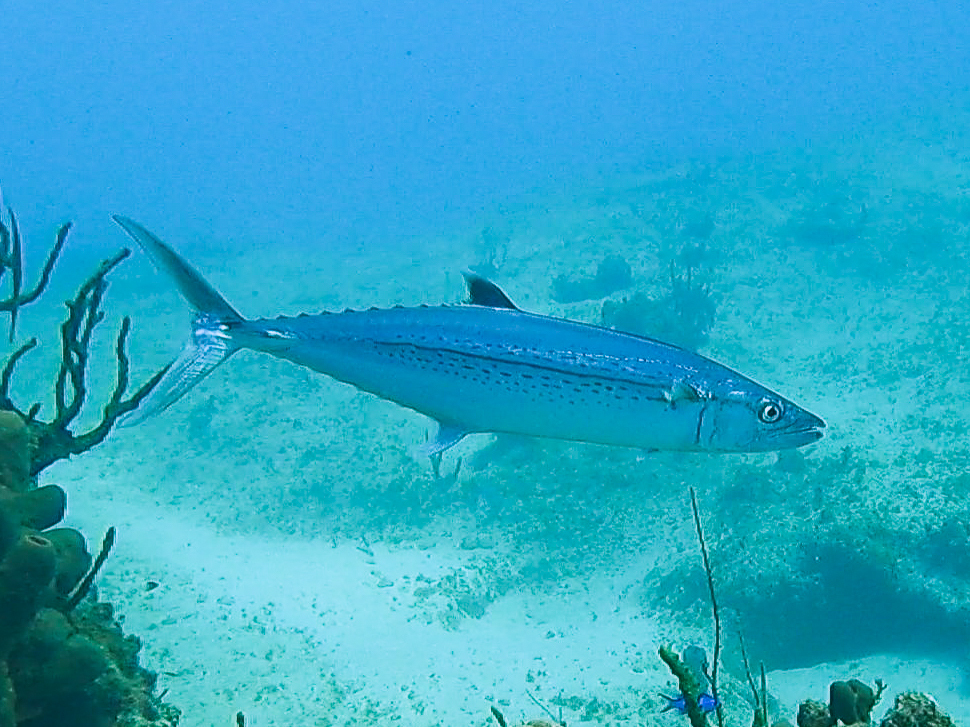
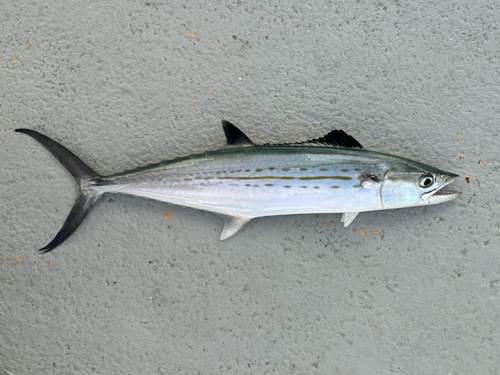
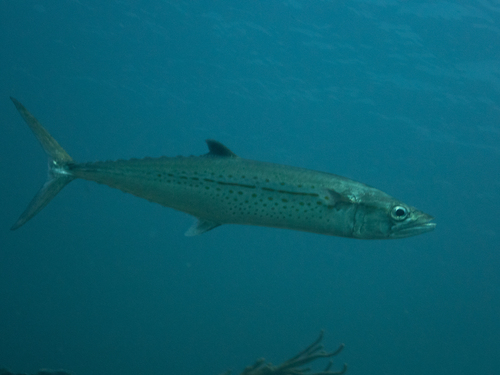
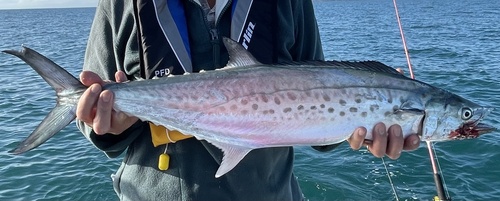
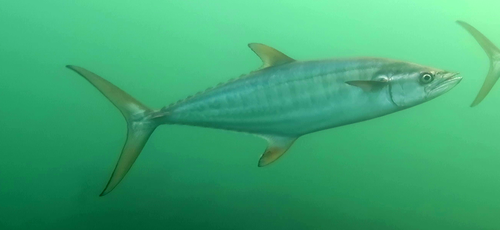
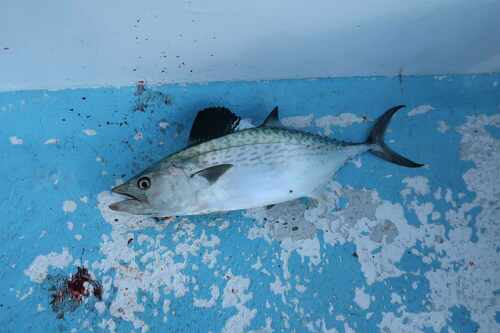
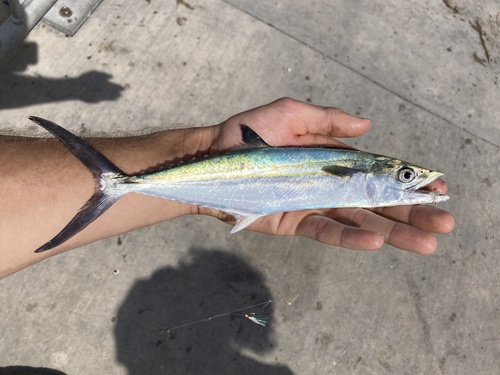
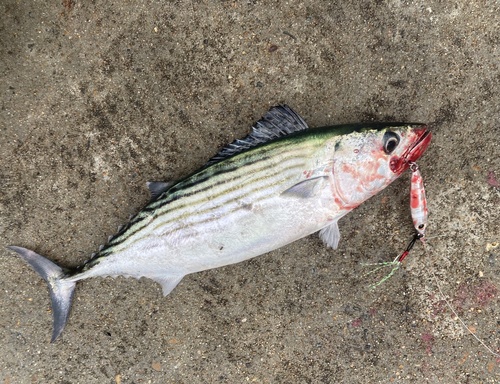
The cero is a Spanish mackerel of the family Scombridae from the western Atlantic. The species grows to about 1.8 metres and has a streamlined, torpedo-shaped, silvery body with a long, yellow-brown midline stripe and rows of yellow spots and dashes on the flank. It is most common in clear waters around coral reefs. As a fast, powerful predator it hunts small schooling fishes, especially herrings, and shrimps and squid. The cero is a valued sport and food fish. The razor-sharp teeth can cause cuts when handling; keep fingers away from the mouth.

Frequently asked questions

How do you recognise the Cero?

The Cero has a torpedo-shaped body, is mainly silver-grey and shows a horizontal stripes pattern. Yellow-brown mid-stripe and rows of yellow spots; fast reef predator with razor-sharp teeth. Note: in tropical areas this species can cause ciguatera poisoning when eaten; large specimens of coral reef predators can accumulate the toxin. Eat with caution or avoid in risk areas.

Where does the Cero live?

The Cero lives in the sea (marine waters) and is mostly found around stony or rocky ground. Western Atlantic; clear waters around coral reefs.

How big does the Cero get?

The Cero grows to a maximum of about 183 cm.

Is the Cero dangerous to humans?

The Cero is venomous — handle spines with care and seek medical help after a sting if needed. Not venomous, but the razor-sharp teeth can cause cuts when handling; keep fingers away from the mouth of a caught or hooked fish. Clean any wound and seek medical care if it becomes infected.

Is the Cero edible?

Yes, the Cero is commonly eaten.

More photos
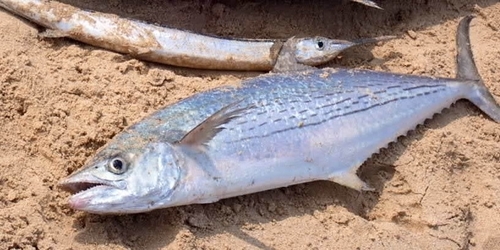
Cero (Scomberomorus regalis) — Scombridae — 2
iNaturalist ((c) Zachary Lang, some rights reserved (CC BY-NC))
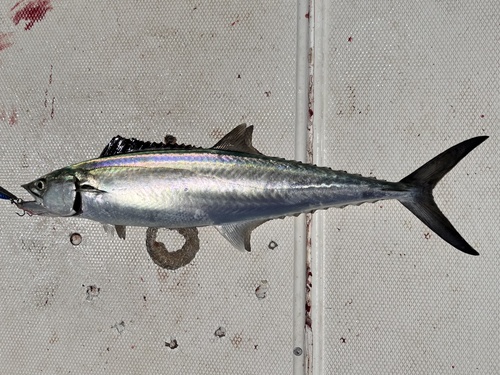
Cero (Scomberomorus regalis) — Scombridae — 3
iNaturalist ((c) Kenneth Manole, some rights reserved (CC BY-NC))
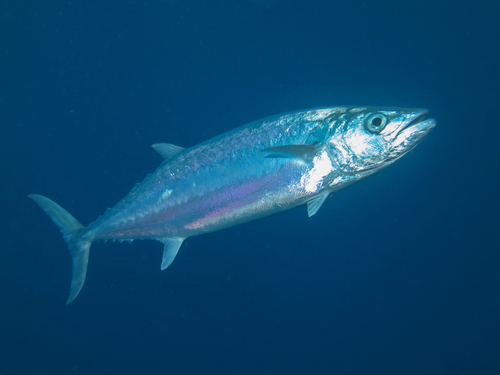
Cero (Scomberomorus regalis) — Scombridae — 4
Wikimedia Commons — Andy Blackledge (CC BY 2.0)
Cero (Scomberomorus regalis) — Scombridae — 5
iNaturalist (no rights reserved)
Fin

Want the complete picture on the Cero?

Point your camera at the fish and Fin names the species in seconds. Free, and the Cero is one of 12,519 species in the app.

Get the app →

All data

Identification

English name
Cero verified
Scientific name
Scomberomorus regalis
Family
Scombridae
Other names
Cero; Cero mackerel; King fish; Kingfish mackerel; Mackerel; Spanish mackerel verified

Appearance

Size class
Extra large verified
Max length (cm)
183.0 verified
Body shape
Torpedo-shaped sourced
Dominant colour
Silver / grey inferred
Pattern
Horizontal stripes inferred
Tail shape
Crescent (lunate) inferred
Mouth position
Terminal inferred
Lips
Thin inferred
Barbels
No sourced
Dorsal fins
Two separate inferred
Dorsal spines
Yes sourced

Habitat & distribution

Water type
Saltwater sourced
Substrate
Stone or rock sourced
Min depth (m)
1.0 verified
Max depth (m)
20.0 verified
Natural range
Western Atlantic; clear waters around coral reefs. inferred
Origin
Native sourced

Behaviour & biology

Diet
Carnivore sourced
Diet (detail)
Small schooling fishes (especially clupeids), shrimps and squid sourced
Social behaviour
Small groups inferred
Territorial
No inferred
Activity
Diurnal inferred
Reproduction
Separate sexes sourced
Sexual dimorphism
No inferred
Seasonality
Present year-round in its habitat; no pronounced seasonality known. inferred
Special features
Yellow-brown mid-stripe and rows of yellow spots; fast reef predator with razor-sharp teeth. Note: in tropical areas this species can cause ciguatera poisoning when eaten; large specimens of coral reef predators can accumulate the toxin. Eat with caution or avoid in risk areas. verified

For anglers

Edibility
Commonly eaten sourced
Fishing method
Fishing with natural bait (fish, shrimp, worm) or lures close to reef and rock structures. inferred
Regulations source
FishBase ↗ inferred

Safety

Danger to humans
Venomous / poisonous sourced
First aid
Not venomous, but the razor-sharp teeth can cause cuts when handling; keep fingers away from the mouth of a caught or hooked fish. Clean any wound and seek medical care if it becomes infected. sourced

Status & sources

Sources
FishBase via GBIF (DwC-A), CC-BY-NC 4.0

Same genus Scomberomorus

More from the family Scombridae
Fin

Want the complete picture on the Cero?

Point your camera at the fish and Fin names the species in seconds. Free, and the Cero is one of 12,519 species in the app.

Get the app →
Is this the Cero? Get the app