 Fin's Fish Guide
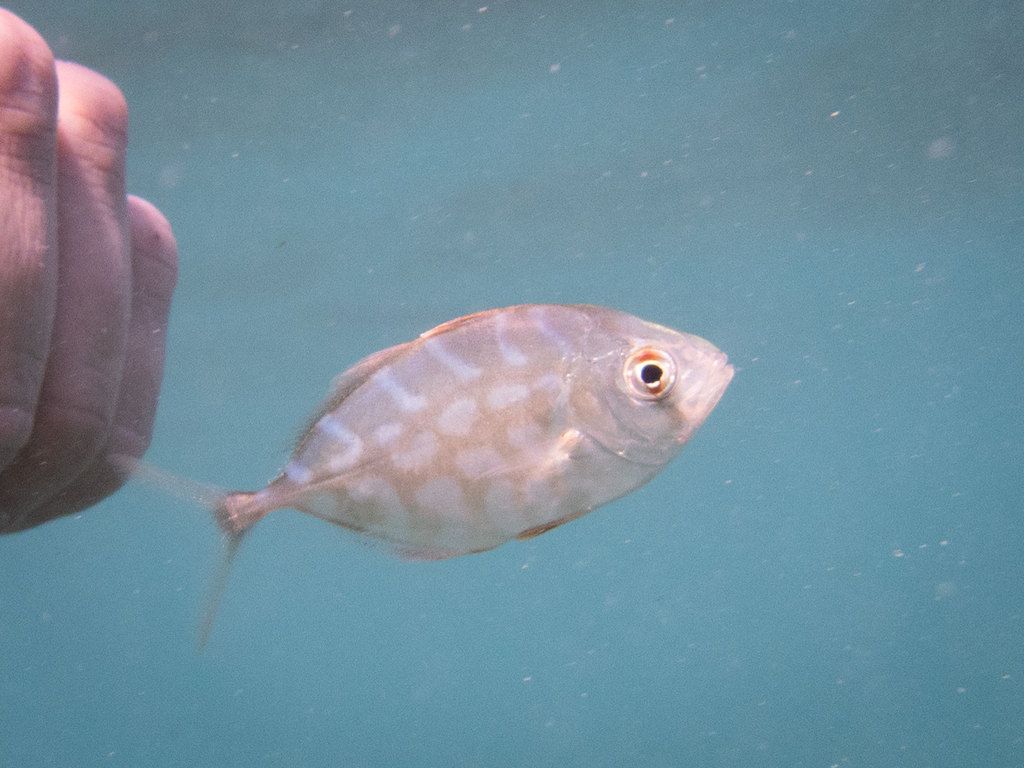
The Yellow jack (Carangoides bartholomaei) is a saltwater fish of the family Carangidae that grows up to 100 cm.
Western Atlantic and the Caribbean, above reefs and in clear coastal water.
Description
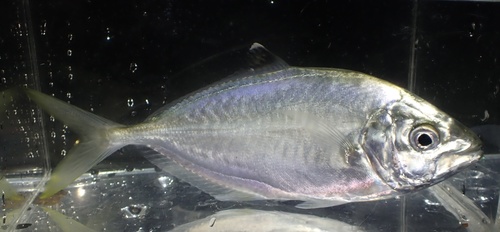
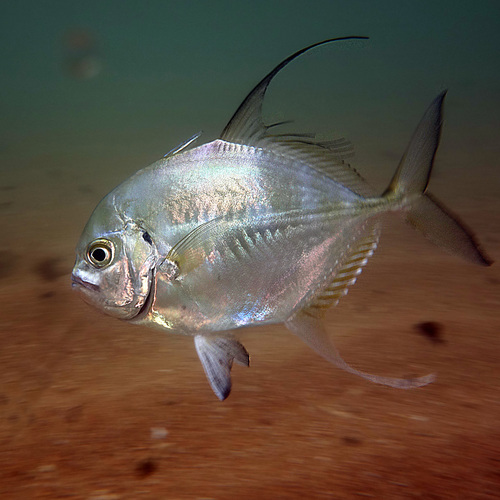
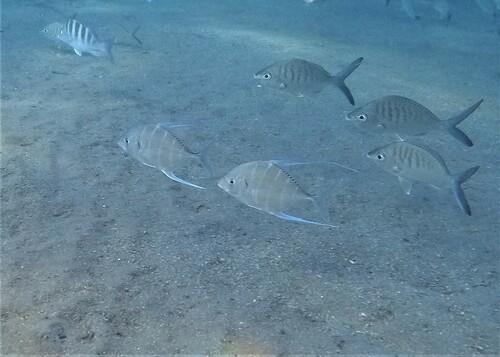
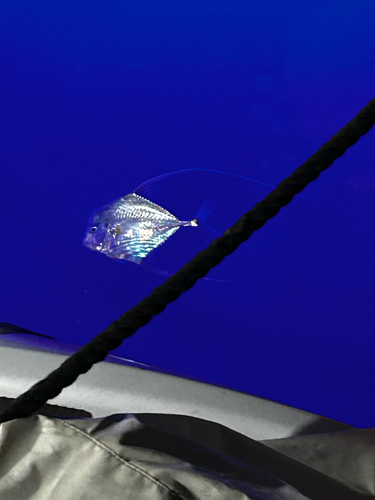
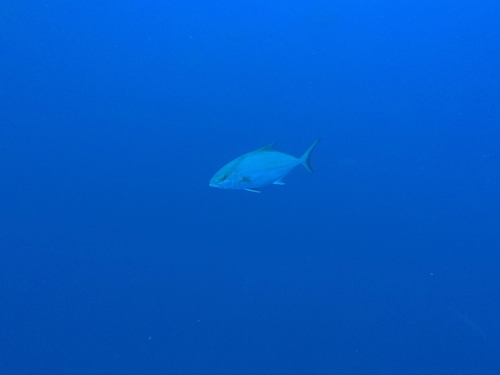
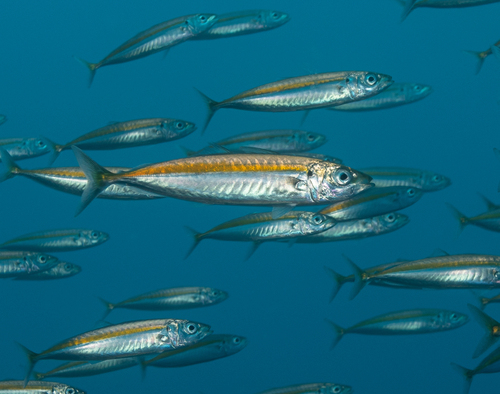
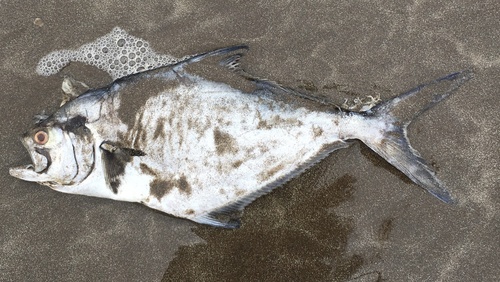
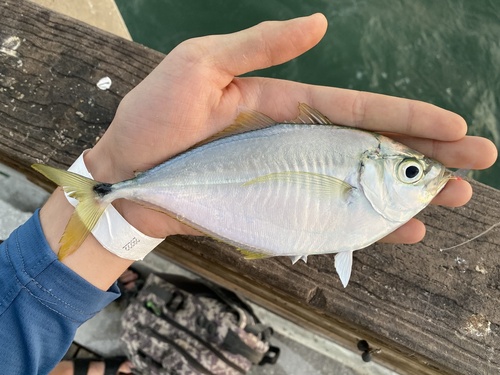
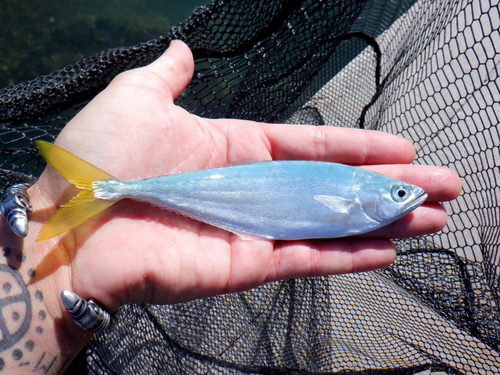
The yellow jack is a fast reef predator of the family Carangidae reaching about 1 metre. The streamlined body has a greenish-yellow tinge with yellow fins and a deeply forked tail, a build suited to high speed. The species lives over reefs and in clear coastal water of the western Atlantic and the Caribbean, often in schools that hunt across the reef. It seizes small fish and crustaceans. Juveniles sometimes shelter under drifting weed or jellyfish. The yellow jack is a popular sport and food fish, though the flesh of large individuals can carry ciguatera in some areas. Because of its speed and power it is favoured by anglers.
Frequently asked questions
How do you recognise the Yellow jack?
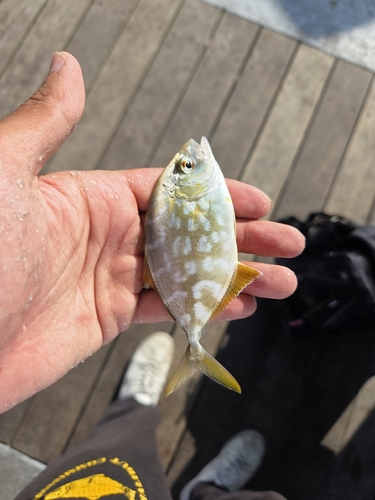
The Yellow jack is mainly yellow-gold and shows a plain pattern. Fast reef predator with a greenish-yellow tinge and yellow fins; streamlined with a deeply forked tail. Note: in tropical areas this species can cause ciguatera poisoning when eaten; large specimens of coral reef predators can accumulate the toxin. Eat with caution or avoid in risk areas.
Where does the Yellow jack live?
The Yellow jack lives in the sea (marine waters) and is mostly found around stony or rocky ground. Western Atlantic and the Caribbean, above reefs and in clear coastal water.
How big does the Yellow jack get?
The Yellow jack grows to a maximum of about 100 cm.
Is the Yellow jack dangerous to humans?
No, the Yellow jack is harmless to humans. None required: this species is harmless to humans.
Is the Yellow jack edible?
Yes, the Yellow jack is commonly eaten.
More photos

Want the complete picture on the Yellow jack?
Point your camera at the fish and Fin names the species in seconds. Free, and the Yellow jack is one of 12,519 species in the app.
All data
Identification
Appearance
Habitat & distribution
Behaviour & biology
Safety
Status & sources
Same genus Carangoides


More from the family Carangidae

Want the complete picture on the Yellow jack?
Point your camera at the fish and Fin names the species in seconds. Free, and the Yellow jack is one of 12,519 species in the app.