Home · Carangidae · Permit
Permit (Trachinotus falcatus) — Carangidae

Permit

Trachinotus falcatus
Family: Carangidae
LC · Least Concern
NativeIntroduced

The Permit (Trachinotus falcatus) is a fish that lives in both fresh and salt water of the family Carangidae that grows up to 122 cm.

Length
122 cm
Water
Euryhaline
Depth
0.0–36.0 m
Diet
Carnivore
Behaviour
Schooling
Activity
Diurnal
Body shape
Flat / disc-shaped
Substrate
Sand / mud bottom
Danger
Harmless
Range
Western Atlantic from the USA to Brazil, over sand flats, seagrass beds and near reef of shallow coastal water; tolerates brackish water.
Edibility
Highly prized

Want the complete picture on the Permit?

Get the app

Description

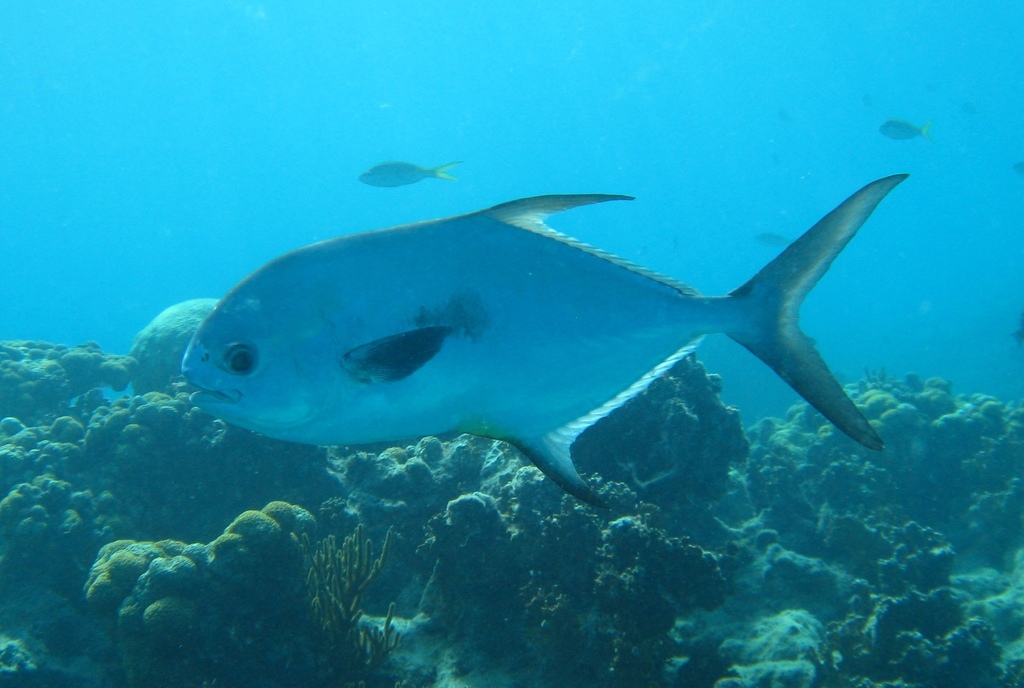
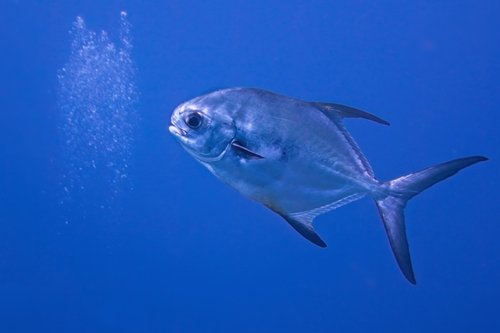
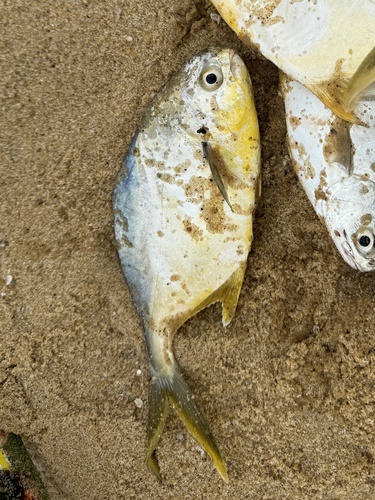
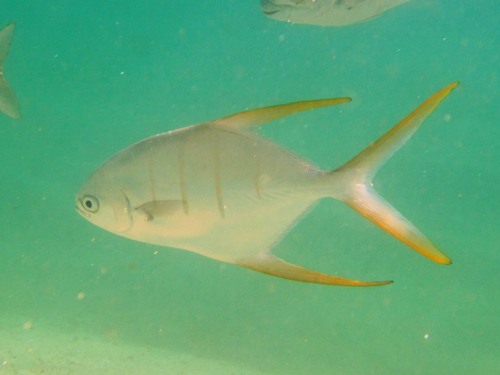
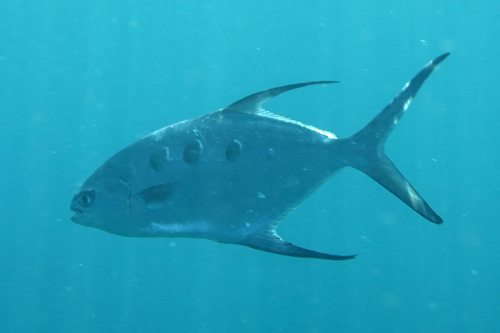
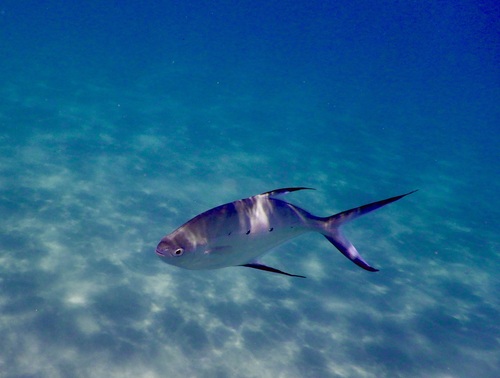
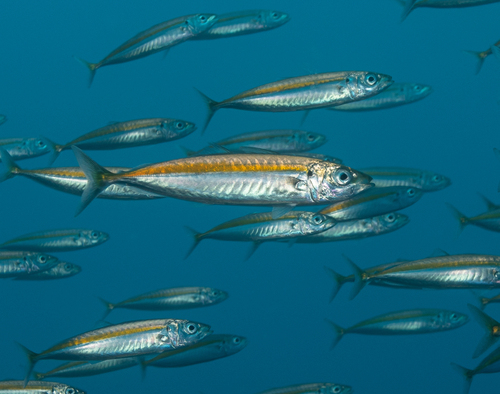
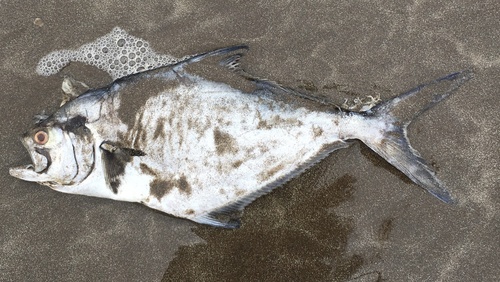
The permit is a deep, silvery jack of the family Carangidae reaching about 1.2 metres. The strongly compressed body has elongated, sickle-shaped front lobes on the dorsal and anal fins, a deeply forked tail and often a yellowish belly. The species lives over sand flats, seagrass beds and near reef of shallow coastal water from the USA to Brazil and tolerates brackish water. With strong throat teeth it crushes crabs, shellfish, shrimps and small crustaceans, which it tracks down on the shallow flats with the rising tide. The permit is one of the most prized and challenging targets for saltwater flats fly fishing worldwide, known for its wariness and strength.

Frequently asked questions

How do you recognise the Permit?

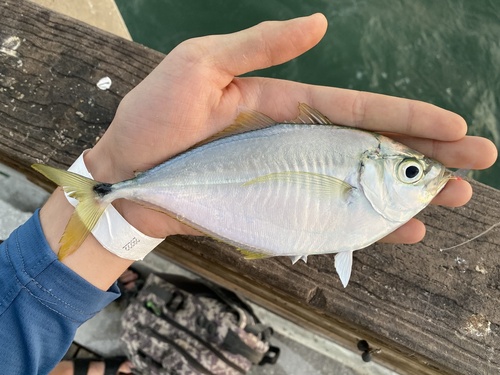
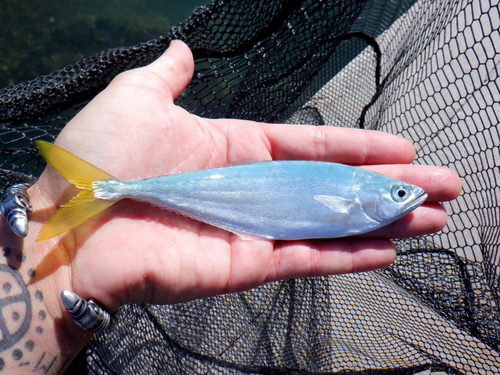
The Permit has a flattened, disc-shaped body, is mainly silver-grey and shows a plain pattern. Deep, silvery, strongly compressed horse mackerel with elongated, sickle-shaped dorsal and anal fin lobes and a deeply forked tail.

Where does the Permit live?

The Permit lives in both fresh and salt water and is mostly found around sand or mud bottom. Western Atlantic from the USA to Brazil, over sand flats, seagrass beds and near reef of shallow coastal water; tolerates brackish water.

How big does the Permit get?

The Permit grows to a maximum of about 122 cm. On average the species is around 94 cm.

Is the Permit dangerous to humans?

No, the Permit is harmless to humans. None required: this species is harmless to humans.

Is the Permit edible?

Yes, the Permit is a highly prized food fish.

More photos
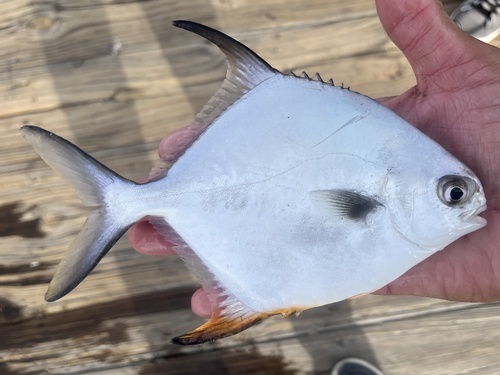
Permit (Trachinotus falcatus) — Carangidae — 2
iNaturalist ((c) jrfleullan, some rights reserved (CC BY-NC))
Permit (Trachinotus falcatus) — Carangidae — 3
Wikimedia Commons — SEFSC Pascagoula Laboratory; Collection of Brandi Noble, NOAA/NMFS/SEFSC. (Public domain)
Permit (Trachinotus falcatus) — Carangidae — 4
cjmatheson (CC BY-NC 4.0) via GBIF — iNaturalist
Permit (Trachinotus falcatus) — Carangidae — 5
Wikimedia Commons — Rex shock Richard A. Ingebrigtsen (CC BY-SA 3.0)
Fin

Want the complete picture on the Permit?

Point your camera at the fish and Fin names the species in seconds. Free, and the Permit is one of 12,519 species in the app.

Get the app →

All data

Identification

English name
Permit verified
Scientific name
Trachinotus falcatus
Family
Carangidae
Other names
Permit; Cobbler; Permit fish; Yellow-wax pompano verified

Appearance

Size class
Extra large verified
Max length (cm)
122.0 verified
Average length (cm)
94.0 verified
Body shape
Flat / disc-shaped verified
Dominant colour
Silver / grey sourced
Pattern
Plain sourced
Tail shape
Crescent (lunate) inferred
Mouth position
Terminal inferred
Lips
Thick / fleshy inferred
Barbels
No verified
Dorsal fins
Two separate sourced
Dorsal spines
Yes verified

Habitat & distribution

Water type
Euryhaline verified
Substrate
Sand / mud bottom verified
Min depth (m)
0.0 verified
Max depth (m)
36.0 verified
Natural range
Western Atlantic from the USA to Brazil, over sand flats, seagrass beds and near reef of shallow coastal water; tolerates brackish water. verified
Origin
Native verified

Behaviour & biology

Diet
Carnivore verified
Diet (detail)
Crabs, shellfish, shrimps and small crustaceans, crushed with powerful pharyngeal teeth sourced
Social behaviour
Schooling verified
Territorial
No verified
Activity
Diurnal inferred
Reproduction
Separate sexes verified
Sexual dimorphism
No verified
levensduur_max_jaar
23.0 verified
Seasonality
Forages in shoals on shallow sand flats with the incoming tide; spawns offshore, larvae grow up in coastal water. sourced
Special features
Deep, silvery, strongly compressed horse mackerel with elongated, sickle-shaped dorsal and anal fin lobes and a deeply forked tail. sourced

For anglers

Edibility
Highly prized verified
Fishing method
Casting with a crab, shrimp or fly over shallow sand flats; one of the most sought-after and challenging fly-fishing targets sourced
Regulations source
FishBase ↗ inferred

Safety

Danger to humans
Harmless verified
First aid
None required: this species is harmless to humans. sourced

Status & sources

Sources
FishBase via GBIF (DwC-A), CC-BY-NC 4.0

Same genus Trachinotus

More from the family Carangidae
Fin

Want the complete picture on the Permit?

Point your camera at the fish and Fin names the species in seconds. Free, and the Permit is one of 12,519 species in the app.

Get the app →
Is this the Permit? Get the app