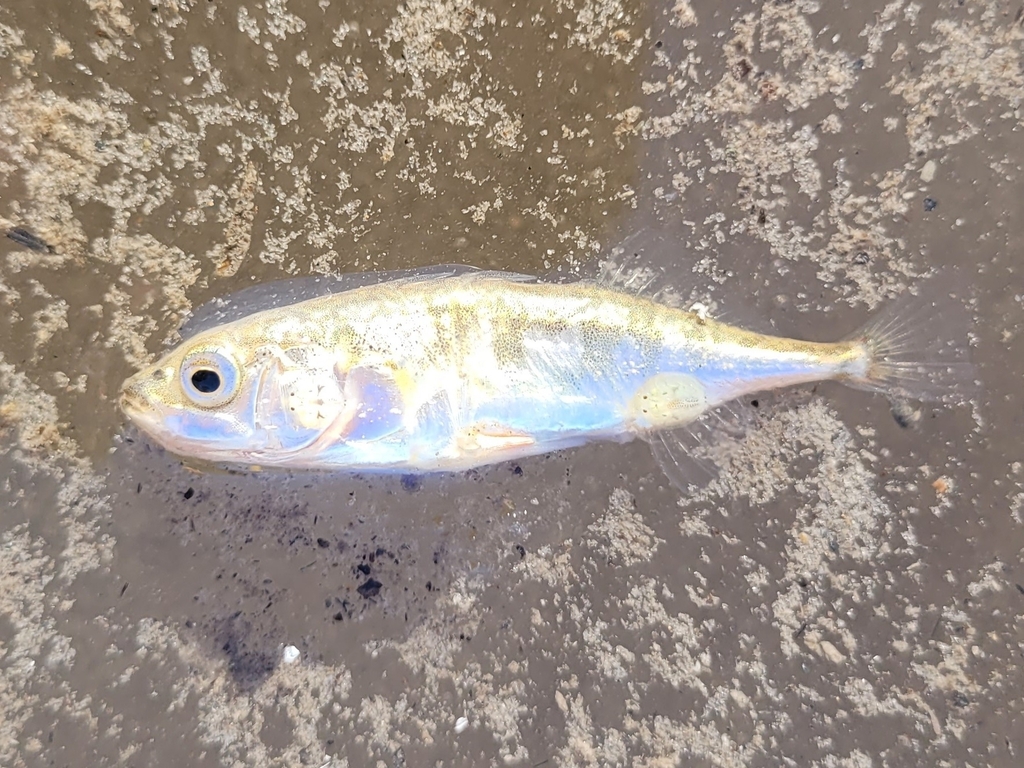
The Banstickle (Gasterosteus aculeatus) is a fish that lives in both fresh and salt water of the family Gasterosteidae that grows up to 11 cm.
Description
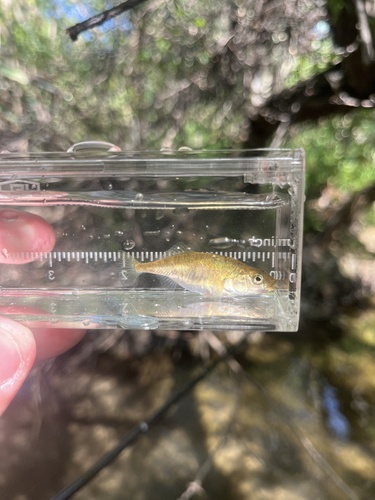
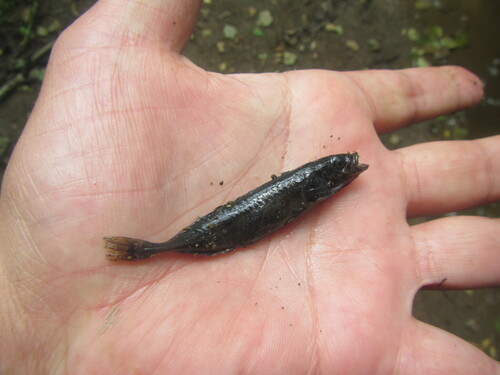
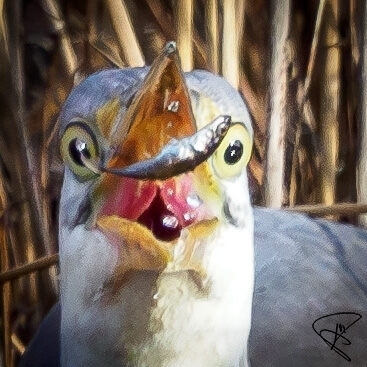
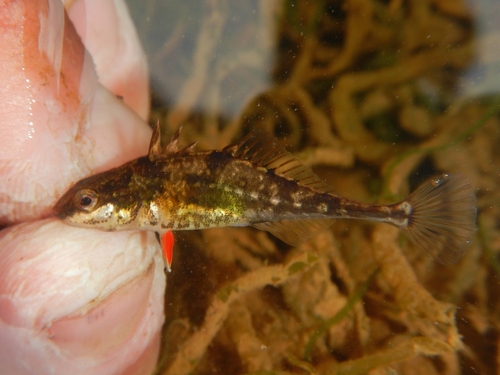
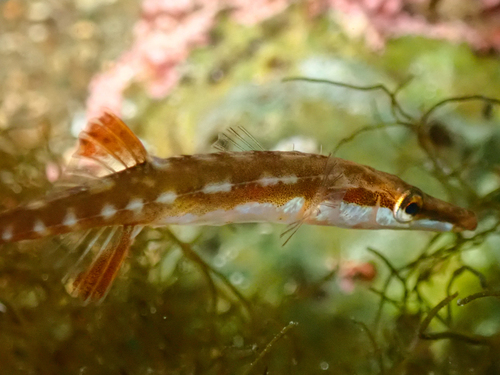
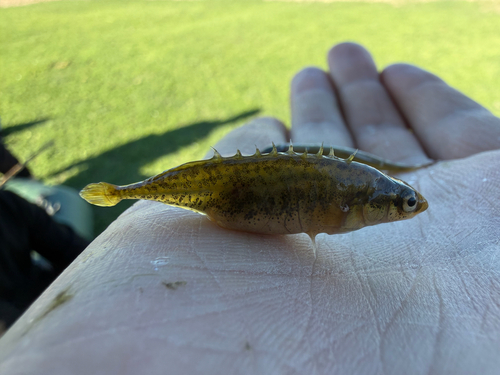
The three-spined stickleback is a small fish of the family Gasterosteidae usually around 5 cm and at most 11 cm. It is characterised by three free spines in front of the dorsal fin, a row of bony lateral plates instead of scales, and a slender, torpedo-shaped body. Outside the breeding season it is silvery-grey to greenish; breeding males develop a bright red throat and belly and blue eyes. The species lives in fresh, brackish and coastal water across the northern hemisphere and hunts small invertebrates. In spring the male builds a nest, fiercely defends a territory and guards the eggs and young. This behaviour has made the stickleback a classic subject in behavioural biology.
Frequently asked questions
How do you recognise the Banstickle?
The Banstickle has a torpedo-shaped body, is mainly silver-grey and shows a plain pattern.
Where does the Banstickle live?
The Banstickle lives in both fresh and salt water and is mostly found around mixed bottom.
How big does the Banstickle get?
The Banstickle grows to a maximum of about 11 cm. On average the species is around 5 cm.
Is the Banstickle dangerous to humans?
No, the Banstickle is harmless to humans.
Is the Banstickle edible?
The Banstickle is not usually eaten.
Download Fin's Fish Guide
Identify fish in seconds, log your catches and dives. Join the TestFlight beta.
All data
Identification
Appearance
Habitat & distribution
Behaviour & biology
For anglers
Safety
Status & sources
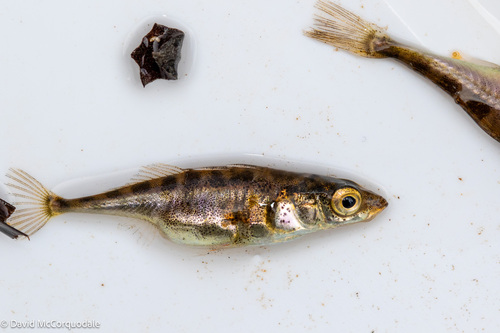
Same genus Gasterosteus
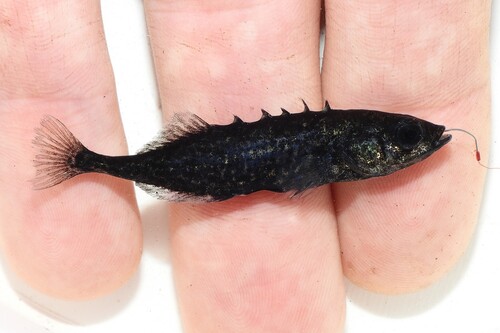
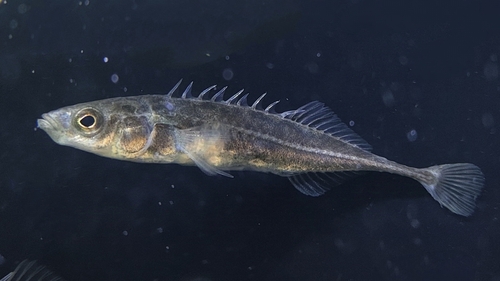
More from the family Gasterosteidae
Download Fin's Fish Guide
Identify fish in seconds, log your catches and dives. Join the TestFlight beta.