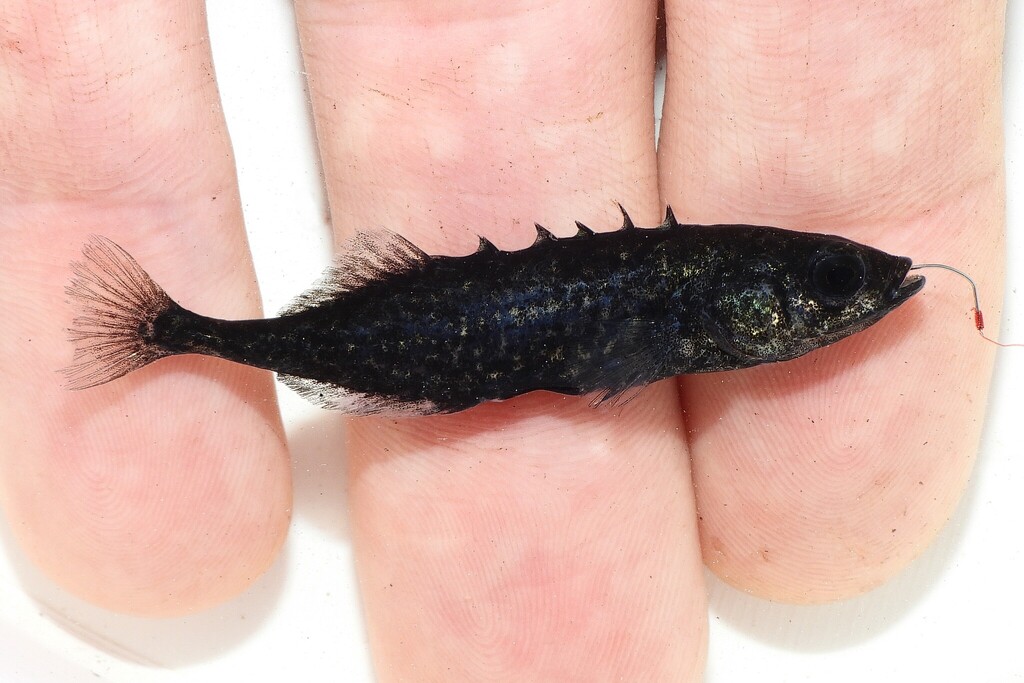
The Brook stickleback (Culaea inconstans) is a freshwater fish of the family Gasterosteidae that grows up to 9 cm.
Description
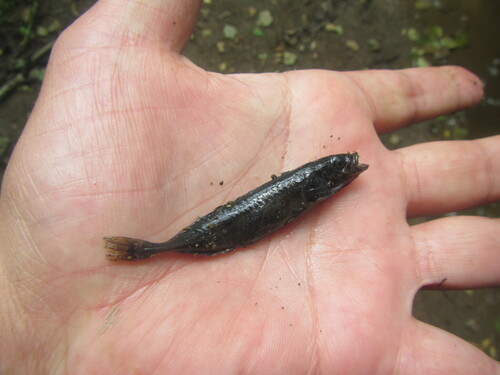
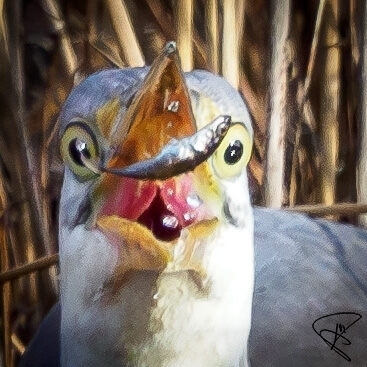
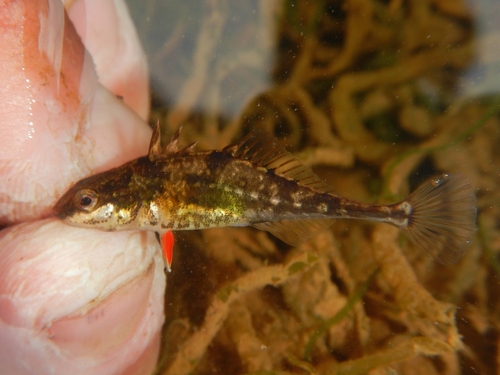
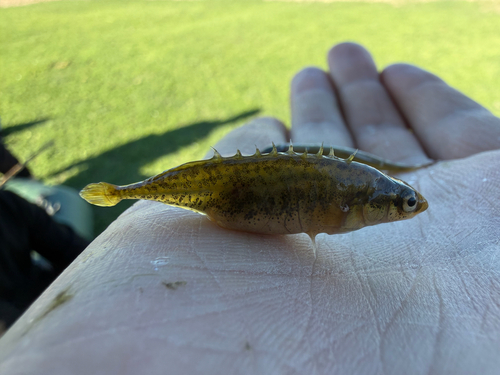
The brook stickleback (Culaea inconstans) is a small fish of the family Gasterosteidae from northern North America. The species has a stocky, olive-green to brownish body with a row of separate spines in front of the dorsal fin and reaches about 9 cm. It inhabits cool, vegetated sand and mud bottoms of lakes, ponds and quiet parts of creeks and small rivers, and rarely enters brackish water. The diet consists of small crustaceans, insect larvae and other invertebrates. During breeding the male builds a small nest of plant material, which it fiercely defends and aerates with fresh water flow until the eggs hatch.
Frequently asked questions
How do you recognise the Brook stickleback?
The Brook stickleback has a torpedo-shaped body, is mainly green and shows a plain pattern.
Where does the Brook stickleback live?
The Brook stickleback lives in fresh water and is mostly found around sand or mud bottom.
How big does the Brook stickleback get?
The Brook stickleback grows to a maximum of about 9 cm. On average the species is around 5 cm.
Is the Brook stickleback dangerous to humans?
No, the Brook stickleback is harmless to humans.
Is the Brook stickleback edible?
The Brook stickleback is not usually eaten.
Download Fin's Fish Guide
Identify fish in seconds, log your catches and dives. Join the TestFlight beta.
All data
Identification
Appearance
Habitat & distribution
Behaviour & biology
For anglers
Safety
Status & sources
More from the family Gasterosteidae
Download Fin's Fish Guide
Identify fish in seconds, log your catches and dives. Join the TestFlight beta.