 Fin's Fish Guide
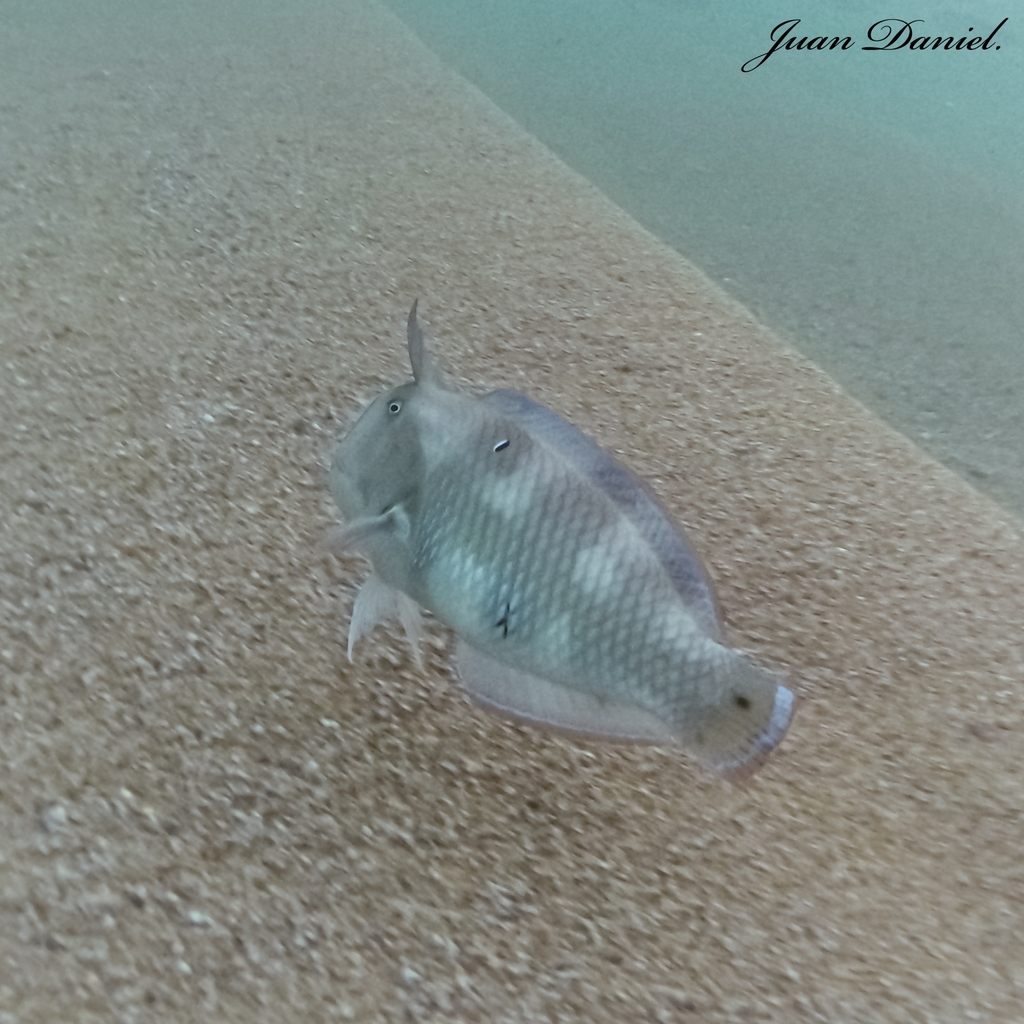
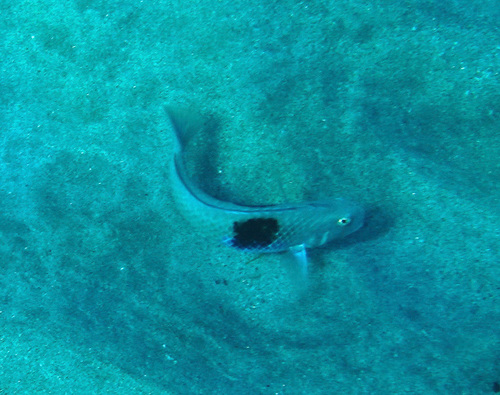
The Black nabeta (Iniistius pavo) is a saltwater fish of the family Labridae that grows up to 42 cm.
Description
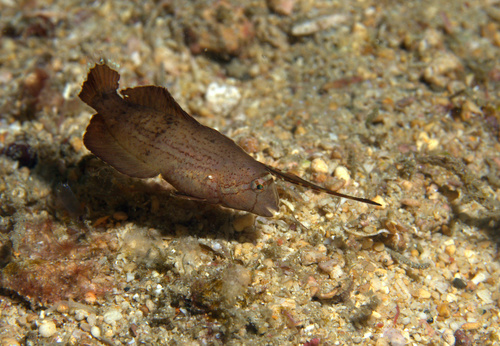
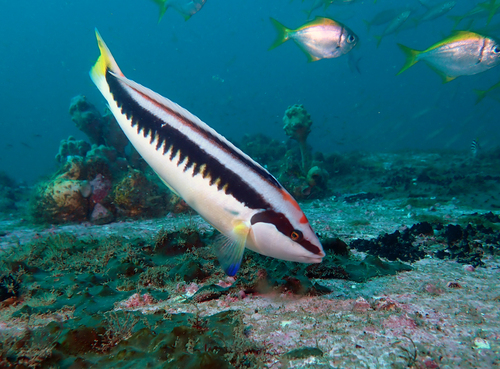
The peacock razorfish is a wrasse (Labridae) from the Indo-West Pacific. The species has a deep, strongly laterally compressed, knife-like body with a steep, sharp head profile; juveniles have a long first dorsal ray and mimic a drifting leaf. It usually lives solitarily on lagoon and seaward reefs with fine to loose, coarse sand, into which it dives lightning-fast when threatened. With its jaw teeth it takes small invertebrates from the bottom. The species is harmless to humans.
Frequently asked questions
How do you recognise the Black nabeta?
The Black nabeta has a torpedo-shaped body, is mainly silver-grey and shows a plain pattern. Knife-shaped body that buries itself in sand at lightning speed; juveniles mimic a floating leaf.
Where does the Black nabeta live?
The Black nabeta lives in the sea (marine waters) and is mostly found around stony or rocky ground. Indo-West Pacific; sandy bottoms of lagoon and seaward reefs.
How big does the Black nabeta get?
The Black nabeta grows to a maximum of about 42 cm.
Is the Black nabeta dangerous to humans?
No, the Black nabeta is harmless to humans. None required: this species is harmless to humans.
Is the Black nabeta edible?
The Black nabeta is rarely eaten.
More photos
Easily confused with
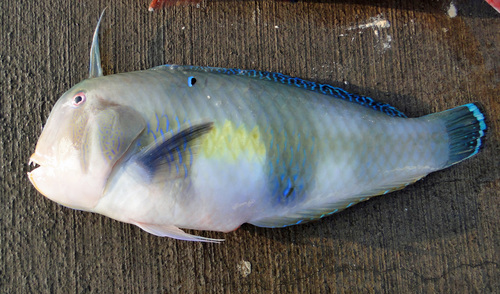
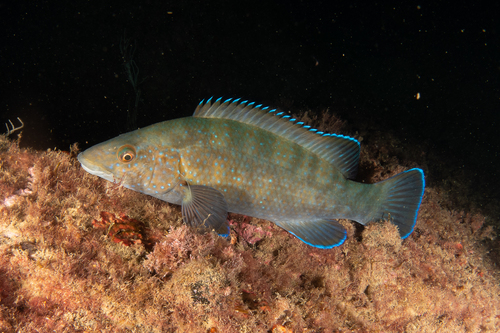
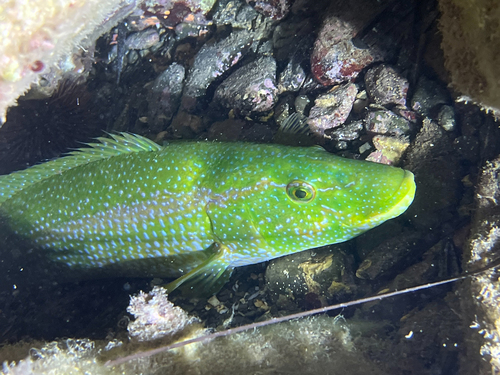
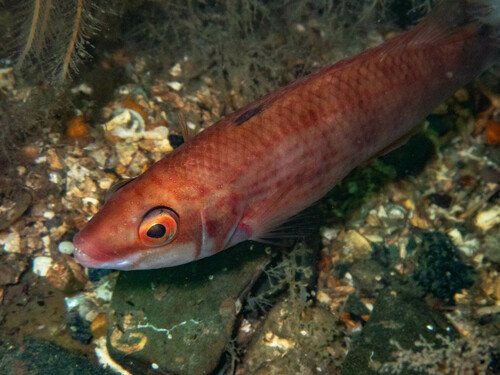
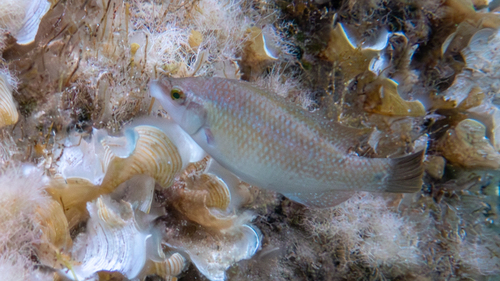
These species look like the Black nabeta and live in the same waters.


Want the complete picture on the Black nabeta?
Point your camera at the fish and Fin names the species in seconds. Free, and the Black nabeta is one of 12,519 species in the app.
All data
Identification
Appearance
Habitat & distribution
Behaviour & biology
For anglers
Safety
Status & sources
Same genus Iniistius



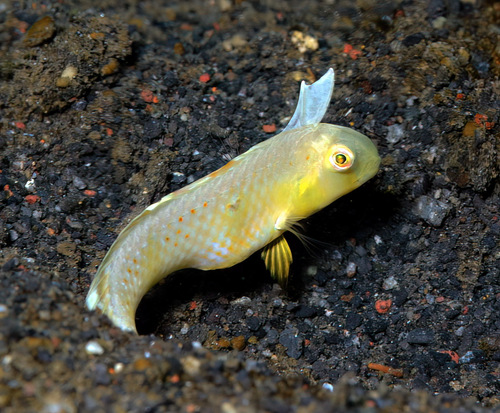

More from the family Labridae

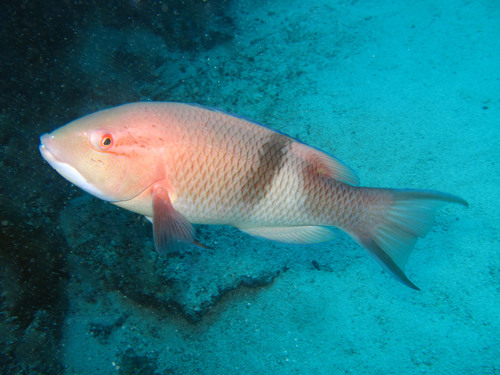
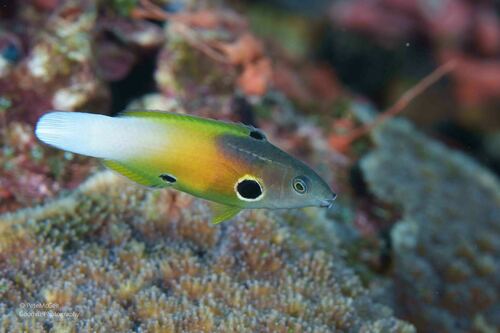

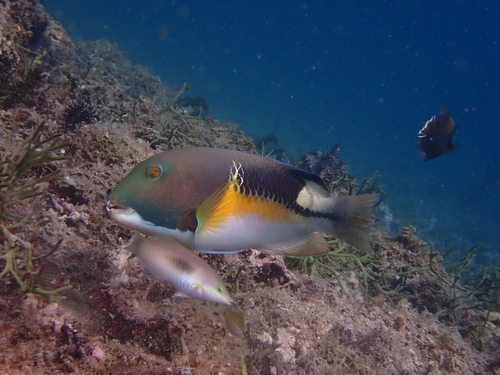

Want the complete picture on the Black nabeta?
Point your camera at the fish and Fin names the species in seconds. Free, and the Black nabeta is one of 12,519 species in the app.