
The Baltic sprat (Sprattus sprattus) is a saltwater fish of the family Clupeidae that grows up to 16 cm.
Description
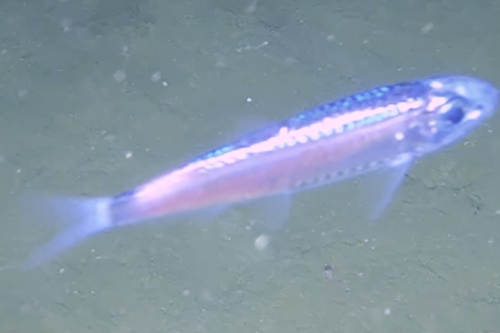
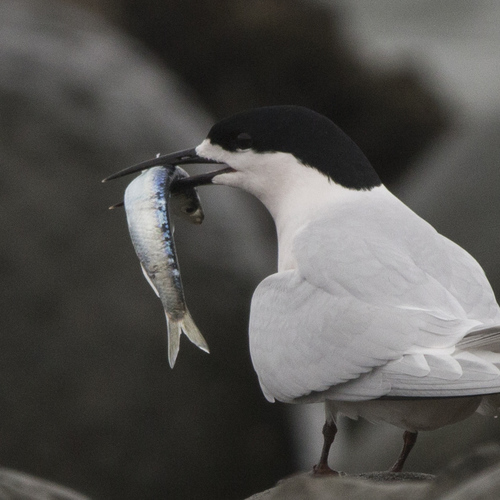
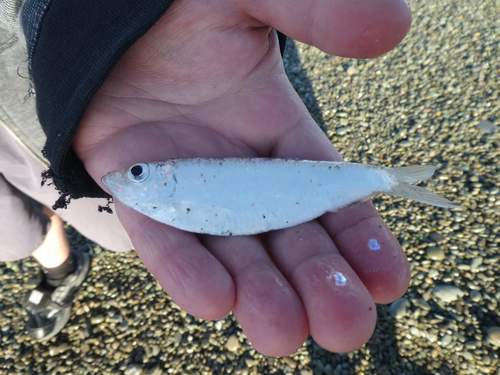
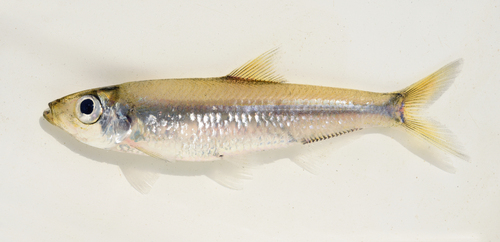
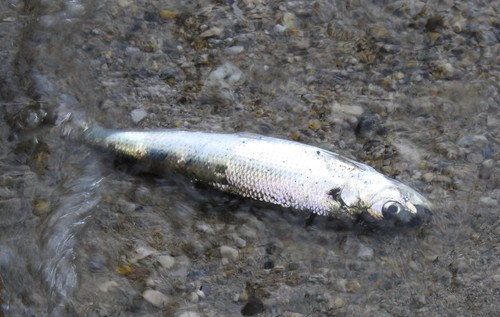
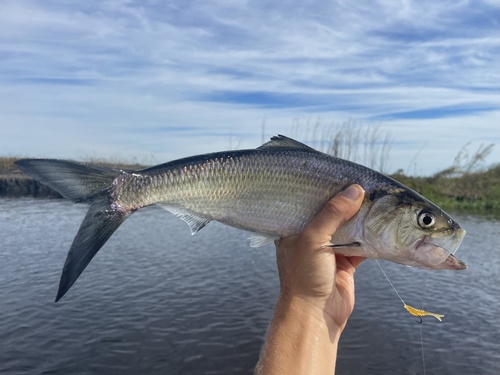
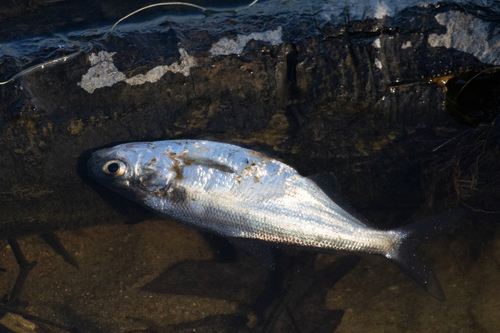
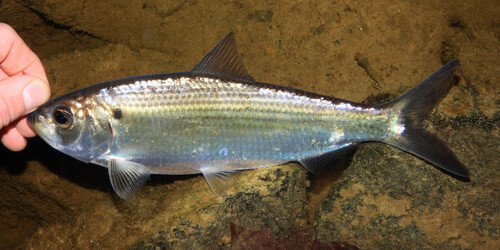
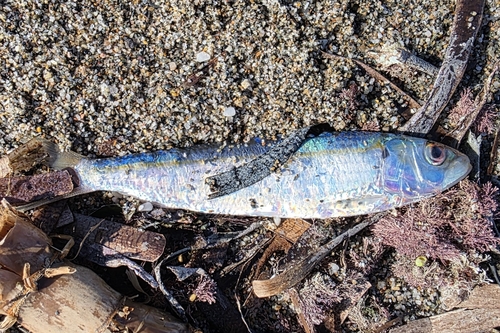
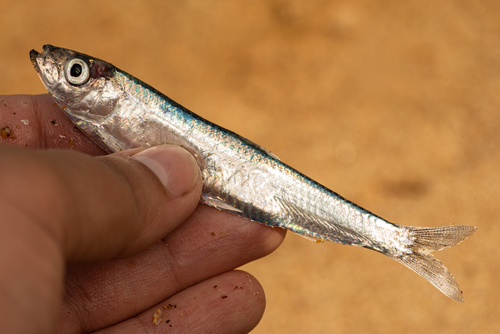
The European sprat is a small, slender herring relative of the family Clupeidae reaching about 16 cm. The silvery, compressed body has a blue-green back and a sharp, saw-edged belly keel; the species resembles a small herring but has the dorsal fin set further back. The sprat lives in huge schools in coastal and surface waters of the north-eastern Atlantic, the North Sea, the Baltic and the Mediterranean. It filters small zooplankton such as copepods and fish larvae from the water. The sprat is an important commercial fish, canned (as 'brisling' among others) and smoked, and is also a key prey for predatory fish, seabirds and marine mammals in the North Sea.
Frequently asked questions
How do you recognise the Baltic sprat?
The Baltic sprat has a torpedo-shaped body, is mainly silver-grey and shows a plain pattern.
Where does the Baltic sprat live?
The Baltic sprat lives in the sea (marine waters) and is mostly found around open water.
How big does the Baltic sprat get?
The Baltic sprat grows to a maximum of about 16 cm. On average the species is around 12 cm.
Is the Baltic sprat dangerous to humans?
No, the Baltic sprat is harmless to humans.
Is the Baltic sprat edible?
Yes, the Baltic sprat is commonly eaten.
Download Fin's Fish Guide
Identify fish in seconds, log your catches and dives. Join the TestFlight beta.
All data
Identification
Appearance
Habitat & distribution
Behaviour & biology
For anglers
Safety
Status & sources
Same genus Sprattus

More from the family Clupeidae

Download Fin's Fish Guide
Identify fish in seconds, log your catches and dives. Join the TestFlight beta.