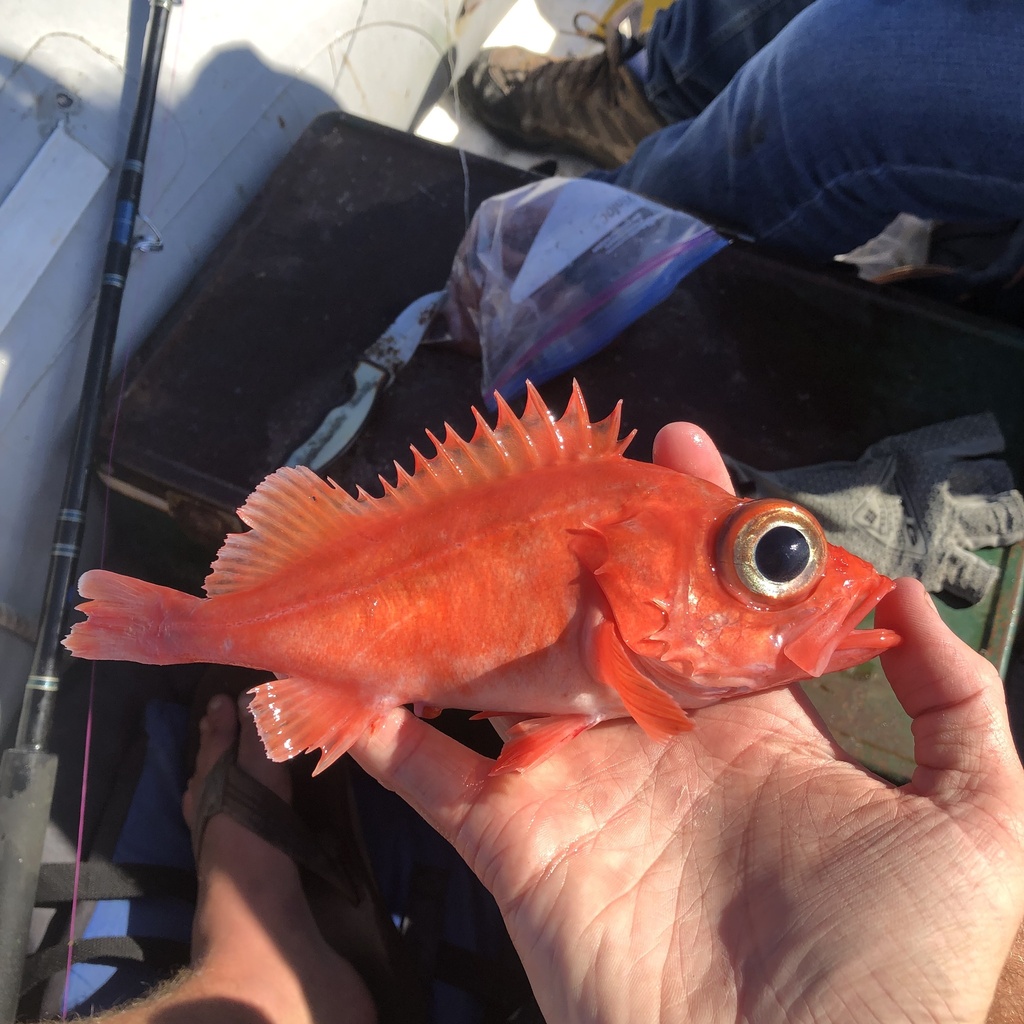
The Lobe-jawed rockfish (Sebastes diploproa) is a saltwater fish of the family Sebastidae that grows up to 46 cm.
Description
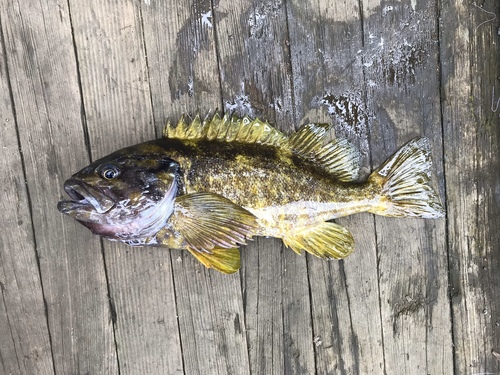
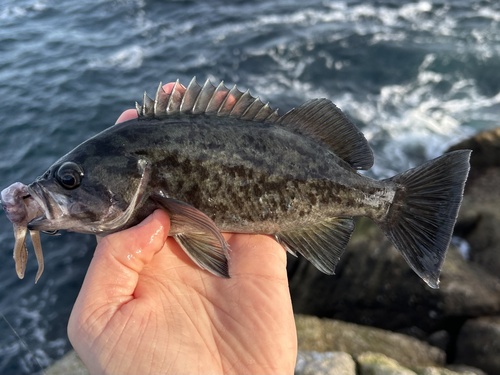
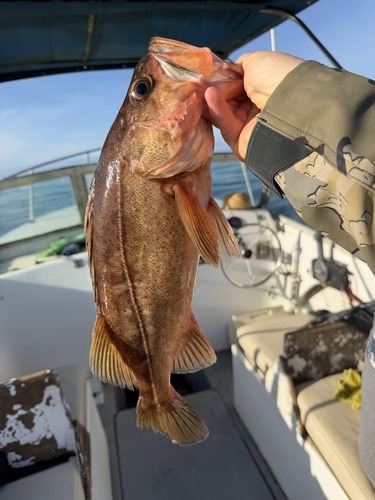
The splitnose rockfish is a rockfish (Sebastidae) from the eastern Pacific. The species grows to about 46 cm and has a reddish body with a split, forward-projecting lower jaw and upper snout, to which the name refers. Adults are common well offshore on soft bottoms, while juveniles occur in shallow water, often at the surface under drifting kelp. It is viviparous, with planktonic larvae and pelagic juveniles. The largest individuals reach the market. The fin spines are venomous and inflict a painful puncture wound.
Frequently asked questions
How do you recognise the Lobe-jawed rockfish?
The Lobe-jawed rockfish has a torpedo-shaped body, is mainly red-orange and shows a plain pattern.
Where does the Lobe-jawed rockfish live?
The Lobe-jawed rockfish lives in the sea (marine waters) and is mostly found around sand or mud bottom.
How big does the Lobe-jawed rockfish get?
The Lobe-jawed rockfish grows to a maximum of about 46 cm.
Is the Lobe-jawed rockfish dangerous to humans?
No, the Lobe-jawed rockfish is harmless to humans.
Is the Lobe-jawed rockfish edible?
Yes, the Lobe-jawed rockfish is commonly eaten.
Download Fin's Fish Guide
Identify fish in seconds, log your catches and dives. Join the TestFlight beta.
All data
Identification
Appearance
Habitat & distribution
Behaviour & biology
For anglers
Safety
Status & sources
Same genus Sebastes
More from the family Sebastidae


Download Fin's Fish Guide
Identify fish in seconds, log your catches and dives. Join the TestFlight beta.