Home · Clupeidae · Lake Tanganyika sardine
Lake Tanganyika sardine (Limnothrissa miodon) — Clupeidae

Lake Tanganyika sardine

Limnothrissa miodon
Family: Clupeidae
LC · Least Concern
NativeIntroduced

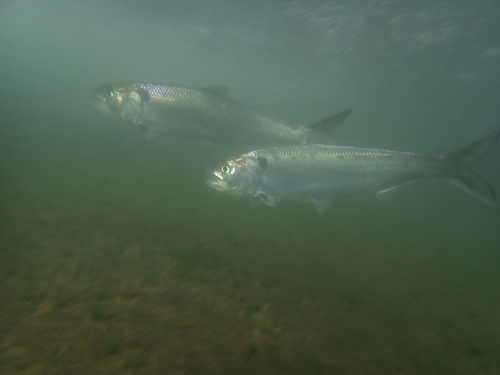
The Lake Tanganyika sardine (Limnothrissa miodon) is a freshwater fish of the family Clupeidae that grows up to 17 cm.

Length
17 cm
Water
Freshwater
Depth
10.0–60.0 m
Diet
Carnivore
Behaviour
Schooling
Activity
Nocturnal
Body shape
Torpedo-shaped
Substrate
Open water
Danger
Harmless
Range
Fresh water, originally Lake Tanganyika in East Africa, pelagic in the open lake water; introduced elsewhere in reservoirs.
Edibility
Highly prized

Want the complete picture on the Lake Tanganyika sardine?

Get the app

Description

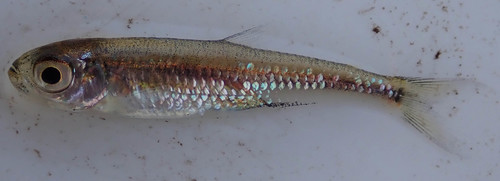
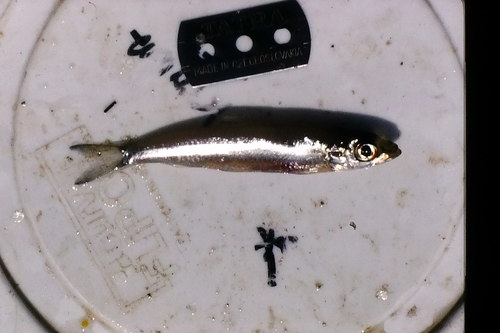
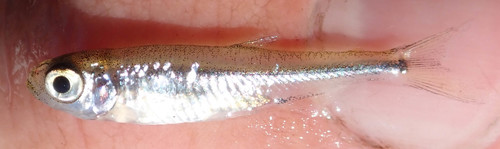
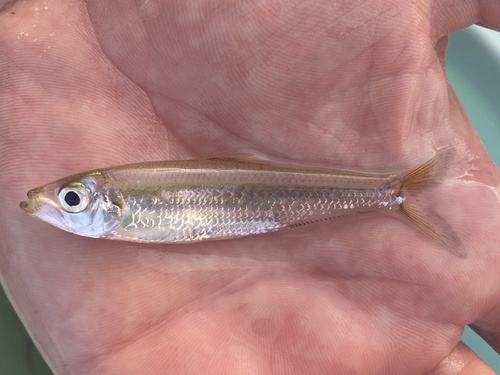
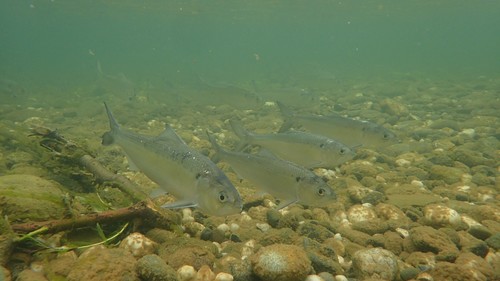
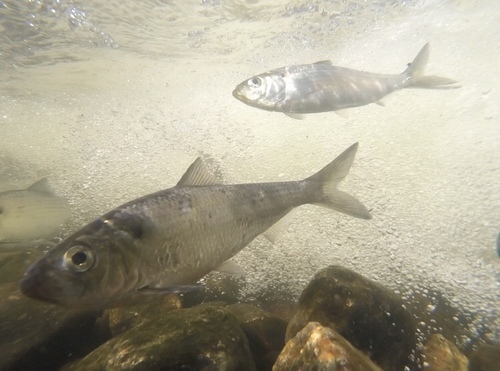
The Lake Tanganyika sardine is a small, silvery herring-like freshwater fish of the family Dorosomatidae (formerly Clupeidae) reaching about 17 cm. The slender, streamlined body shines silvery-blue. Unlike most herrings it lives its whole life in fresh water: originally pelagic in the open water of Lake Tanganyika in East Africa. With fine gill rakers it filters zooplankton from the water. It forms enormous schools that rise to the surface at night, where it is caught with lamps and nets. Through its great numbers the Lake Tanganyika sardine is one of the most important food and livelihood fish around the lake and has been stocked in reservoirs such as Lake Kariba and Lake Kivu.

Frequently asked questions

How do you recognise the Lake Tanganyika sardine?

The Lake Tanganyika sardine has a torpedo-shaped body, is mainly silver-grey and shows a plain pattern. Small, silvery herring-like freshwater fish that lives pelagically in enormous shoals in a large African lake.

Where does the Lake Tanganyika sardine live?

The Lake Tanganyika sardine lives in fresh water and is mostly found around open water. Fresh water, originally Lake Tanganyika in East Africa, pelagic in the open lake water; introduced elsewhere in reservoirs.

How big does the Lake Tanganyika sardine get?

The Lake Tanganyika sardine grows to a maximum of about 17 cm. On average the species is around 10 cm.

Is the Lake Tanganyika sardine dangerous to humans?

No, the Lake Tanganyika sardine is harmless to humans. None required: this species is harmless to humans.

Is the Lake Tanganyika sardine edible?

Yes, the Lake Tanganyika sardine is a highly prized food fish.

More photos
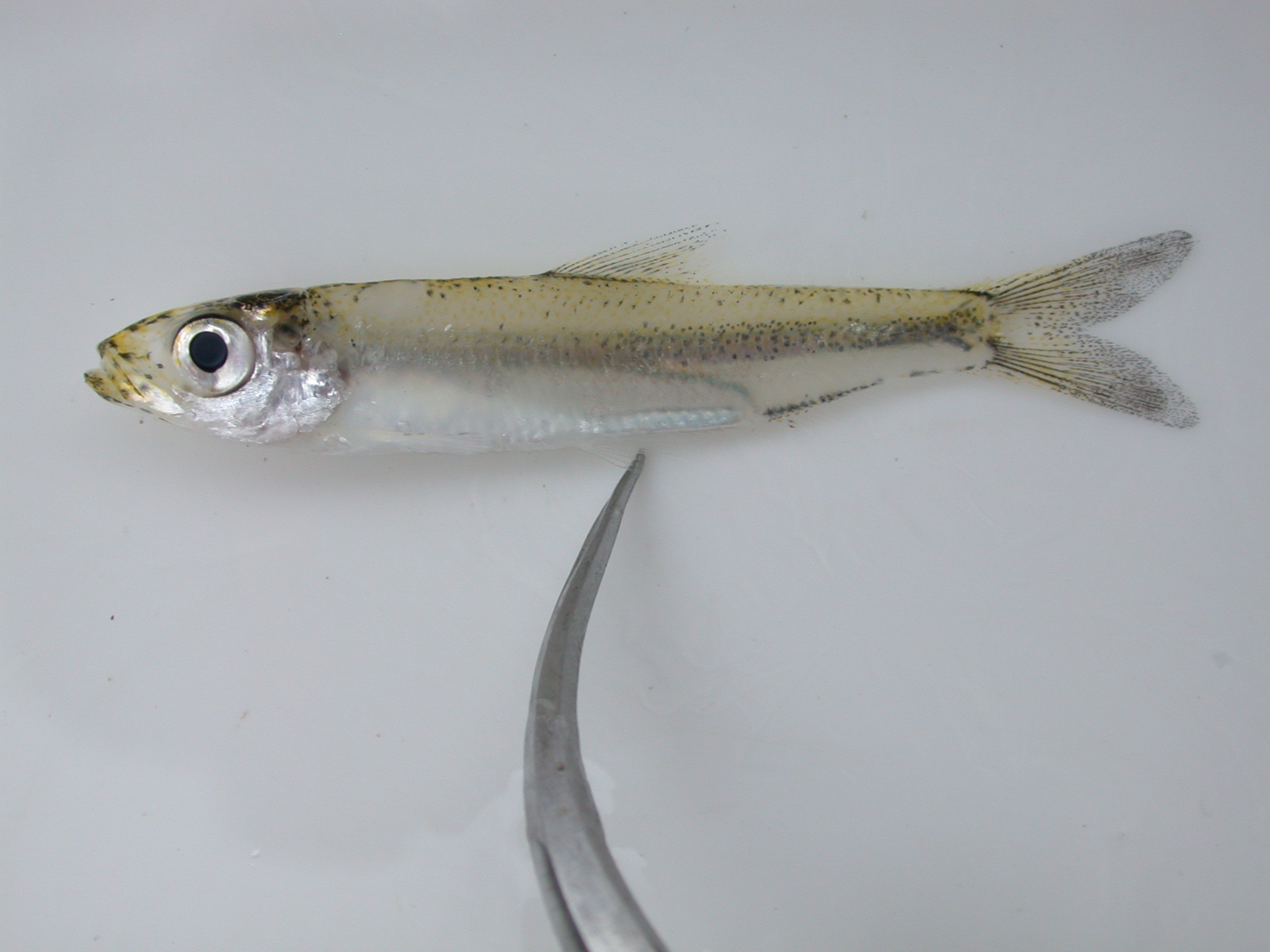
Lake Tanganyika sardine (Limnothrissa miodon) — Clupeidae — 2
R. Bills (CC BY 4.0) via GBIF — SAIAB
Lake Tanganyika sardine (Limnothrissa miodon) — Clupeidae — 3
iNaturalist ((c) Wilderness Safaris Botswana - Conservation Team, some rights reserved (CC BY))
Lake Tanganyika sardine (Limnothrissa miodon) — Clupeidae — 4
iNaturalist ((c) Eric van den Berghe, some rights reserved (CC BY-NC))
Lake Tanganyika sardine (Limnothrissa miodon) — Clupeidae — 5
iNaturalist ((c) Wilderness Safaris Botswana - Conservation Team, some rights reserved (CC BY))
Fin

Want the complete picture on the Lake Tanganyika sardine?

Point your camera at the fish and Fin names the species in seconds. Free, and the Lake Tanganyika sardine is one of 12,519 species in the app.

Get the app →

All data

Identification

English name
Lake Tanganyika sardine verified
Scientific name
Limnothrissa miodon
Family
Clupeidae
Other names
Lake Tanganyika sardine; Stapper's sprat; Kapenta; Tanganyikan anchoveta verified

Appearance

Size class
Medium verified
Max length (cm)
17.0 verified
Average length (cm)
10.0 verified
Body shape
Torpedo-shaped sourced
Dominant colour
Silver / grey sourced
Pattern
Plain sourced
Tail shape
Forked inferred
Mouth position
Superior (upward) inferred
Lips
Thin inferred
Barbels
No verified
Dorsal fins
One continuous sourced
Dorsal spines
No verified

Habitat & distribution

Water type
Freshwater verified
Substrate
Open water verified
Min depth (m)
10.0 verified
Max depth (m)
60.0 verified
Natural range
Fresh water, originally Lake Tanganyika in East Africa, pelagic in the open lake water; introduced elsewhere in reservoirs. verified
Origin
Native verified

Behaviour & biology

Diet
Carnivore verified
Diet (detail)
Zooplankton, taken by filter-feeding from the open water sourced
Social behaviour
Schooling verified
Territorial
No verified
Activity
Nocturnal inferred
Reproduction
Separate sexes verified
Sexual dimorphism
No verified
Seasonality
Forms enormous pelagic shoals that come to the surface at night; spawns year-round with peaks in the rainy season. sourced
Special features
Small, silvery herring-like freshwater fish that lives pelagically in enormous shoals in a large African lake. sourced

For anglers

Edibility
Highly prized verified
Fishing method
Caught mainly at night with lamps and small-mesh nets in schools; an important livelihood around the lake sourced
Regulations source
FishBase ↗ inferred

Safety

Danger to humans
Harmless verified
First aid
None required: this species is harmless to humans. sourced

Status & sources

Sources
FishBase via GBIF (DwC-A), CC-BY-NC 4.0

More from the family Clupeidae

Fin

Want the complete picture on the Lake Tanganyika sardine?

Point your camera at the fish and Fin names the species in seconds. Free, and the Lake Tanganyika sardine is one of 12,519 species in the app.

Get the app →
Is this the Lake Tanganyika sardine? Get the app