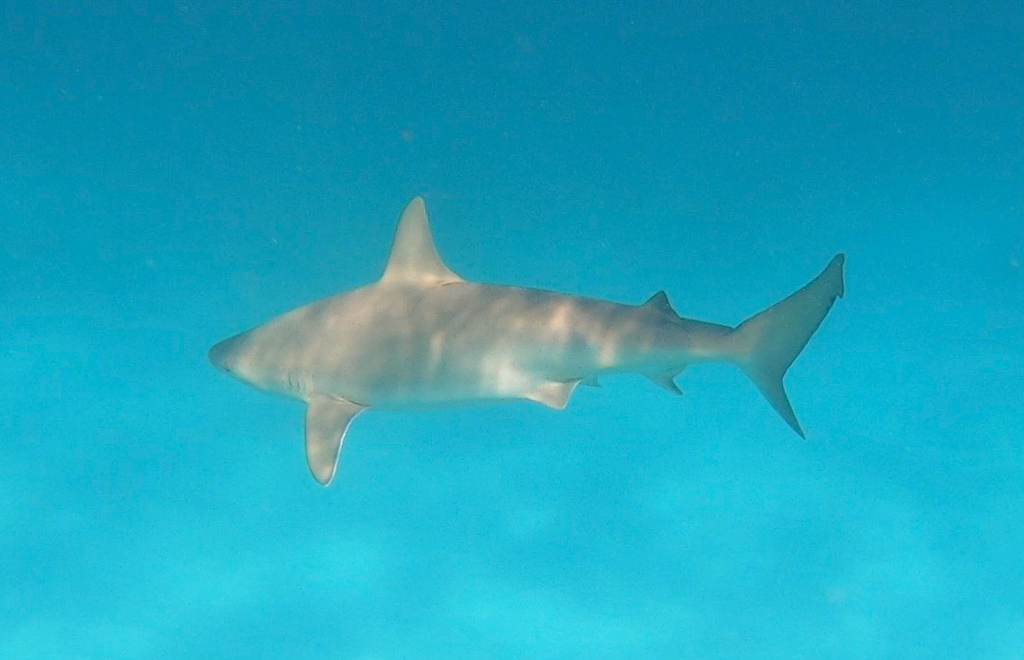
The Blacknose shark (Carcharhinus acronotus) is a saltwater fish of the family Carcharhinidae that grows up to 200 cm.
Description
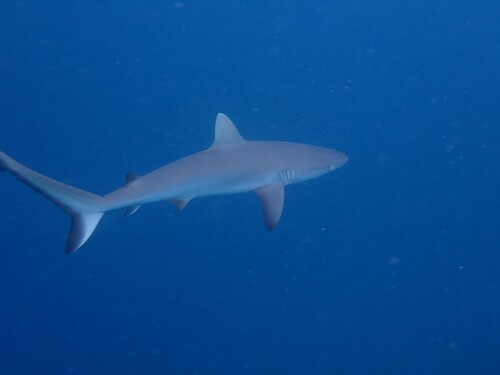
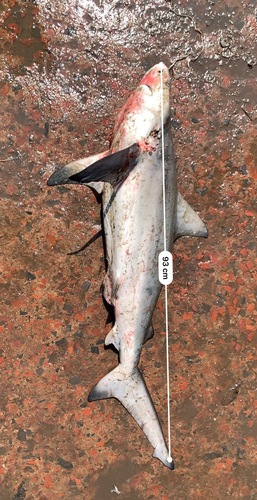
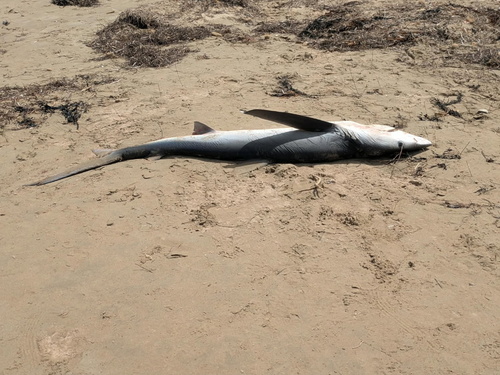
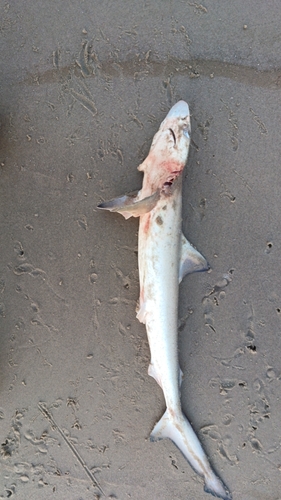
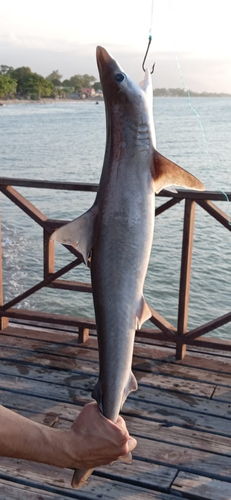
The blacknose shark is a small requiem shark (family Carcharhinidae) of the western Atlantic. The species grows to about 2 m and has a slender, streamlined, grey body with a pale belly and a characteristic dark blotch on the snout tip. It lives on continental and insular shelves, mainly over sandy, shell and coral bottoms. Its diet consists of small fishes, including porgies and pufferfishes. The species is of modest commercial value but, owing to overfishing, is considered Endangered (EN). With its powerful teeth it can bite when handled; targeted attacks on people are, however, rare.
Frequently asked questions
How do you recognise the Blacknose shark?
The Blacknose shark has a torpedo-shaped body, is mainly silver-grey and shows a plain pattern.
Where does the Blacknose shark live?
The Blacknose shark lives in the sea (marine waters) and is mostly found around stony or rocky ground.
How big does the Blacknose shark get?
The Blacknose shark grows to a maximum of about 200 cm.
Is the Blacknose shark dangerous to humans?
No, the Blacknose shark is harmless to humans.
Is the Blacknose shark edible?
Yes, the Blacknose shark is commonly eaten.
Download Fin's Fish Guide
Identify fish in seconds, log your catches and dives. Join the TestFlight beta.
All data
Identification
Appearance
Habitat & distribution
Behaviour & biology
For anglers
Safety
Status & sources
Same genus Carcharhinus
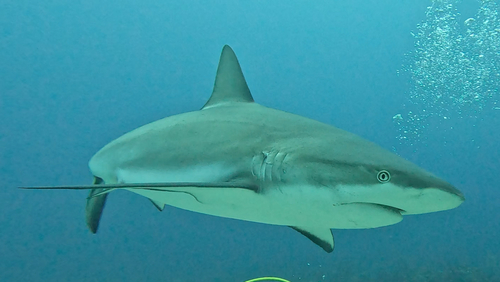
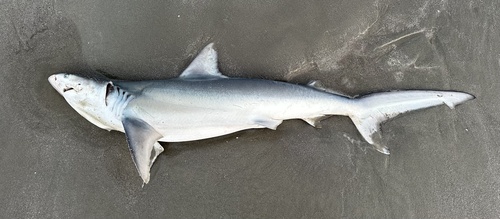
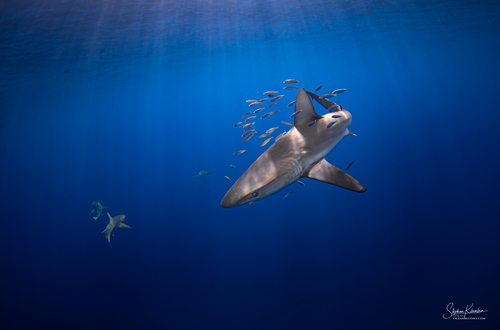
More from the family Carcharhinidae
Download Fin's Fish Guide
Identify fish in seconds, log your catches and dives. Join the TestFlight beta.