Home · Cichlidae · Black acara
Black acara (Cichlasoma bimaculatum) — Cichlidae

Black acara

Cichlasoma bimaculatum
Family: Cichlidae
LC · Least Concern
NativeIntroduced

The Black acara (Cichlasoma bimaculatum) is a freshwater fish of the family Cichlidae that grows up to 12 cm.

Length
12.3 cm
Water
Freshwater
Depth
0.0–3.0 m
Diet
Carnivore
Behaviour
Small groups
Activity
Diurnal
Body shape
Torpedo-shaped
Substrate
Mixed bottom
Danger
Harmless
Range
Northern South America, in fresh water of the Amazon and Orinoco basins and the Guianas.
Edibility
Rarely eaten

Want the complete picture on the Black acara?

Get the app

Description

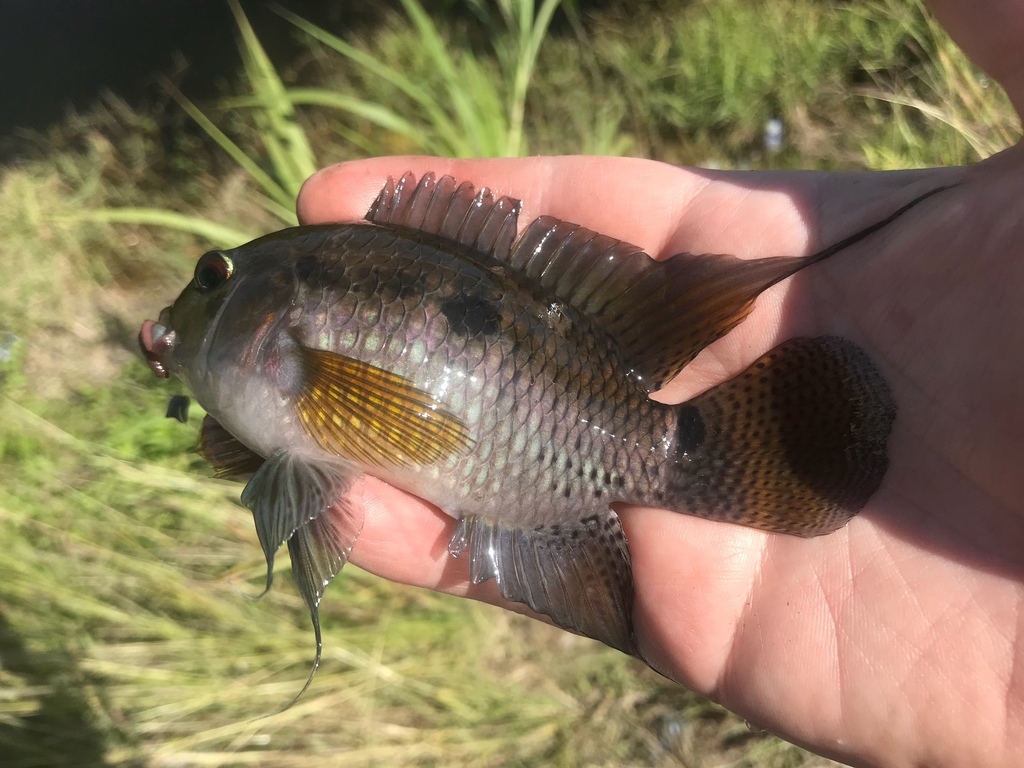
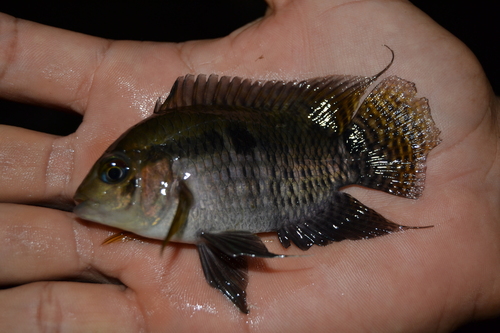
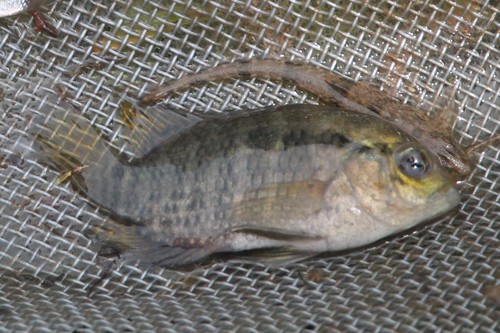
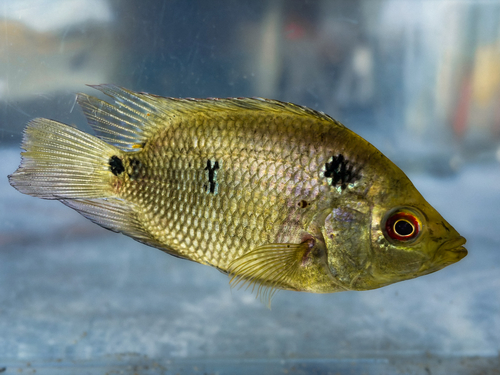
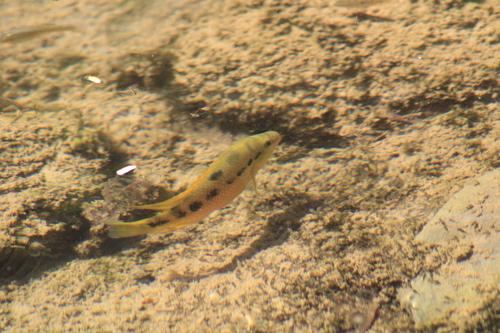
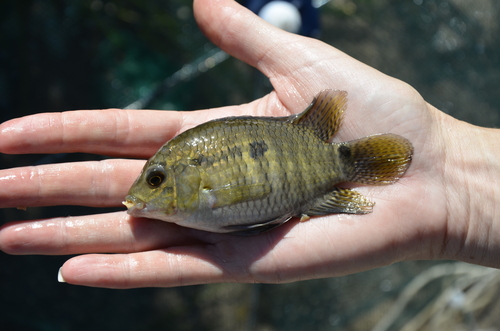
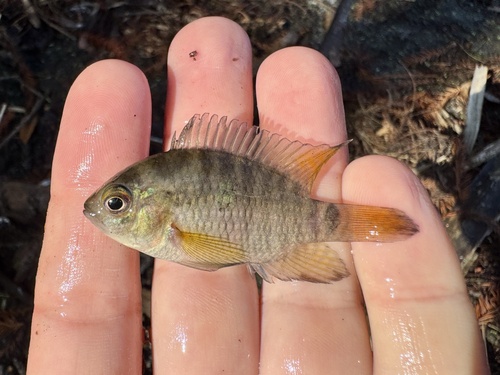
The black acara is a South American cichlid of the family Cichlidae reaching about 12 cm. The laterally compressed body is brownish to olive with a pearly sheen and bears a conspicuous dark blotch in the middle of the flank and a second at the tail base. The species lives in slow-flowing and still fresh water of northern South America and has spread as an aquarium fish beyond that range, becoming established in Florida among other places. It is an omnivore eating small invertebrates, plant matter and detritus. Like many cichlids it forms pairs that clean a spawning site and then fiercely defend eggs and young against intruders.

Frequently asked questions

How do you recognise the Black acara?

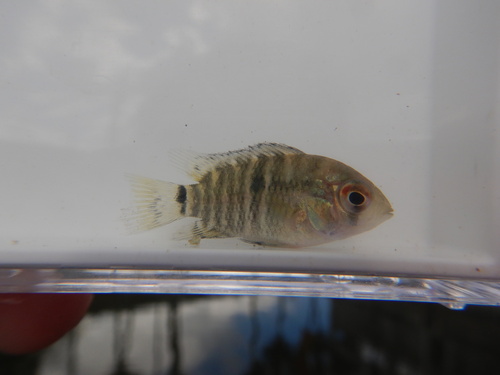
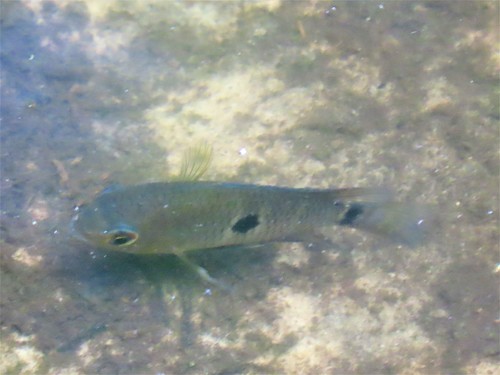
The Black acara has a torpedo-shaped body, is mainly brown and shows a vertical stripes pattern. South American cichlid with a dark blotch on the flank and one at the caudal peduncle; forms pairs that guard the brood.

Where does the Black acara live?

The Black acara lives in fresh water and is mostly found around mixed bottom. Northern South America, in fresh water of the Amazon and Orinoco basins and the Guianas.

How big does the Black acara get?

The Black acara grows to a maximum of about 12 cm. On average the species is around 12 cm.

Is the Black acara dangerous to humans?

No, the Black acara is harmless to humans. None required: this species is harmless to humans.

Is the Black acara edible?

The Black acara is rarely eaten.

More photos
Black acara (Cichlasoma bimaculatum) — Cichlidae — 2
iNaturalist ((c) Thomas Campbell, some rights reserved (CC BY-NC))
Black acara (Cichlasoma bimaculatum) — Cichlidae — 3
kary (CC BY-NC 4.0) via GBIF — iNaturalist
Black acara (Cichlasoma bimaculatum) — Cichlidae — 4
iNaturalist ((c) obrock, some rights reserved (CC BY-NC))
Black acara (Cichlasoma bimaculatum) — Cichlidae — 5
Wikimedia Commons — François-Louis Laporte, comte de Castelnau (Public domain)
Fin

Want the complete picture on the Black acara?

Point your camera at the fish and Fin names the species in seconds. Free, and the Black acara is one of 12,519 species in the app.

Get the app →

All data

Identification

English name
Black acara verified
Scientific name
Cichlasoma bimaculatum
Family
Cichlidae
Other names
Black acara; Brown acara; Common patwa; Congo patwa; Cuckoo wrasse; Port acara; Port cichlid; Twospot cichlid verified

Appearance

Size class
Small verified
Max length (cm)
12.3 verified
Average length (cm)
12.0 verified
Body shape
Torpedo-shaped sourced
Dominant colour
Brown sourced
Pattern
Vertical bars sourced
Tail shape
Rounded inferred
Mouth position
Terminal inferred
Lips
Thick / fleshy inferred
Barbels
No verified
Dorsal fins
One continuous sourced
Dorsal spines
Yes verified

Habitat & distribution

Water type
Freshwater sourced
Substrate
Mixed bottom sourced
Min depth (m)
0.0 verified
Max depth (m)
3.0 verified
Natural range
Northern South America, in fresh water of the Amazon and Orinoco basins and the Guianas. verified
Origin
Non-native (invasive) verified

Behaviour & biology

Diet
Carnivore verified
Diet (detail)
Worms, crustaceans, molluscs and benthic invertebrates inferred
Social behaviour
Small groups verified
Territorial
Yes verified
Activity
Diurnal inferred
Reproduction
Separate sexes verified
Sexual dimorphism
No verified
Seasonality
Substrate brooder that breeds in the warm season; both parents guard the eggs and young. sourced
Special features
South American cichlid with a dark blotch on the flank and one at the caudal peduncle; forms pairs that guard the brood. sourced

For anglers

Edibility
Rarely eaten verified
Fishing method
Small in size and barely an angling target; mostly caught incidentally or as baitfish. inferred
Regulations source
FishBase ↗ inferred

Safety

Danger to humans
Harmless sourced
First aid
None required: this species is harmless to humans. sourced

Status & sources

Sources
FishBase via GBIF (DwC-A), CC-BY-NC 4.0

Same genus Cichlasoma

More from the family Cichlidae

Fin

Want the complete picture on the Black acara?

Point your camera at the fish and Fin names the species in seconds. Free, and the Black acara is one of 12,519 species in the app.

Get the app →
Is this the Black acara? Get the app