Home · Belonidae · Atlantic needlefish
Atlantic needlefish (Strongylura timucu) — Belonidae

Atlantic needlefish

Strongylura timucu
Family: Belonidae
LC · Least Concern

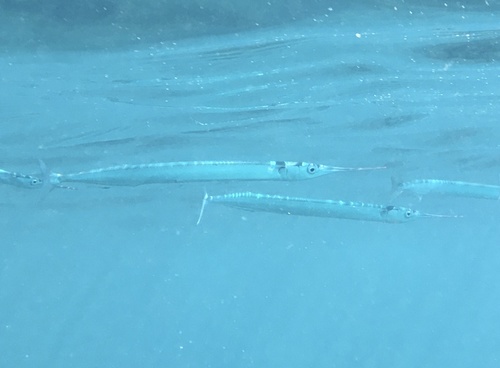
The Atlantic needlefish (Strongylura timucu) is a fish that lives in both fresh and salt water of the family Belonidae that grows up to 61 cm.

Length
61 cm
Water
Euryhaline
Depth
1.0–3.0 m
Diet
Carnivore
Behaviour
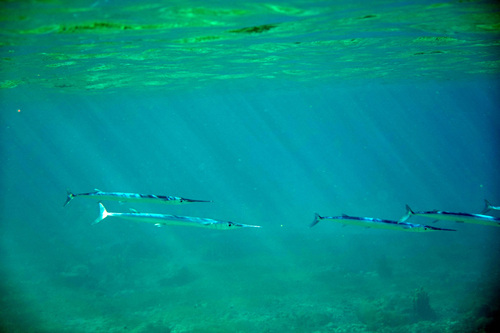
Small groups
Activity
Diurnal
Body shape
Elongated (eel-like)
Substrate
Stone or rock
Danger
Harmless
Range
Western Atlantic and Caribbean, on reef flats, in lagoons and sometimes in fresh water; juveniles among floating seaweed.
Edibility
Commonly eaten

Want the complete picture on the Atlantic needlefish?

Get the app

Description

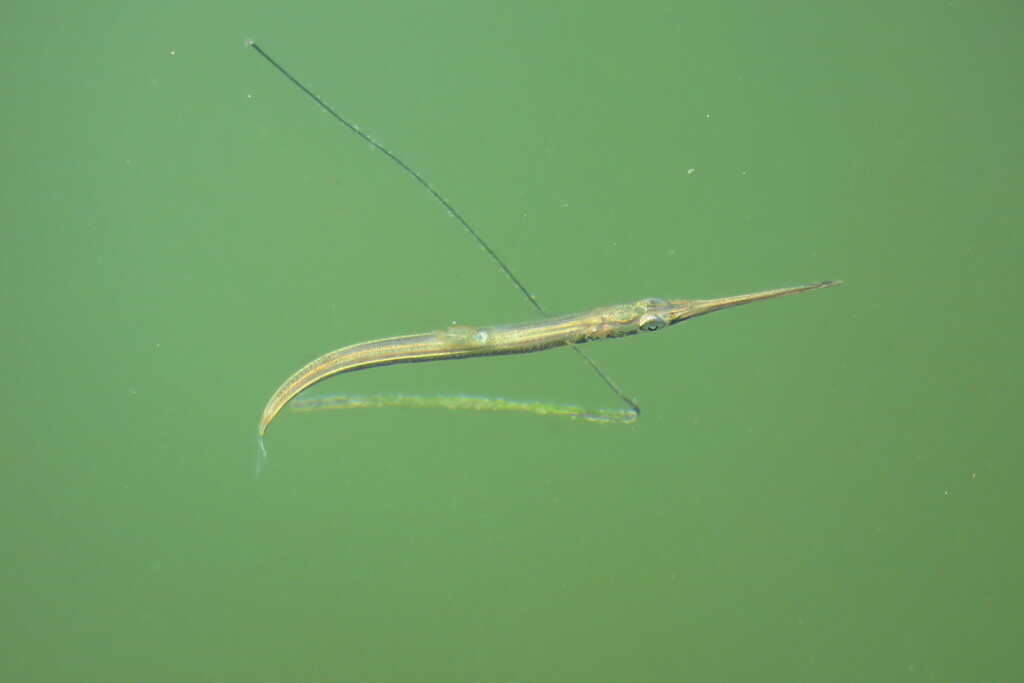
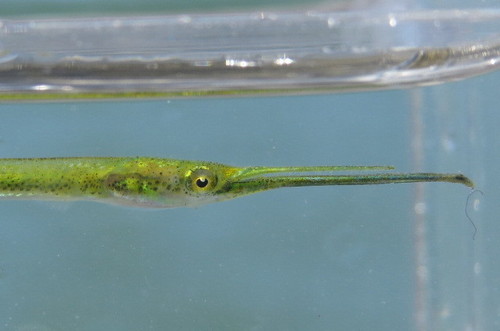
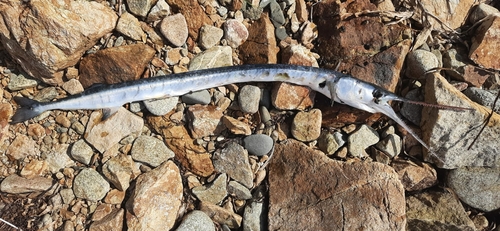
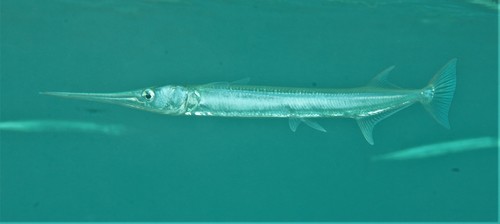
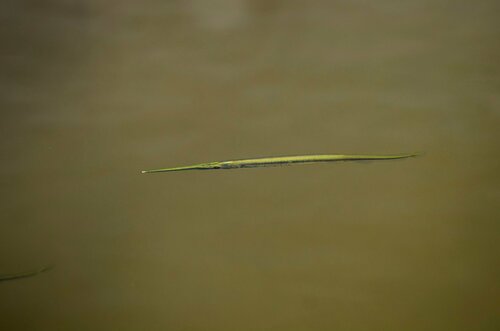
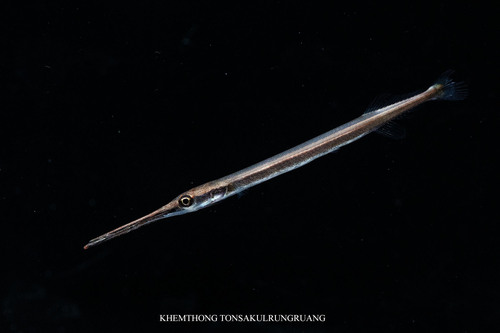
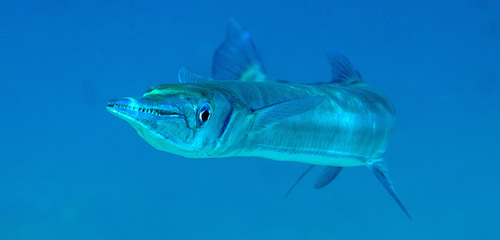
The timucu is a needlefish (family Belonidae) of the western Atlantic and Caribbean. The species grows to about 61 cm and has a very elongate, silvery-green body with a long, thin beak full of small, sharp teeth. Adults occur on reef flats, in lagoons and sometimes in fresh water; juveniles shelter among floating algae. The species hunts mainly small fishes at or near the surface and is oviparous. It can leap from the water when disturbed, the beak potentially causing injury. It is of value to subsistence fisheries.

Frequently asked questions

How do you recognise the Atlantic needlefish?

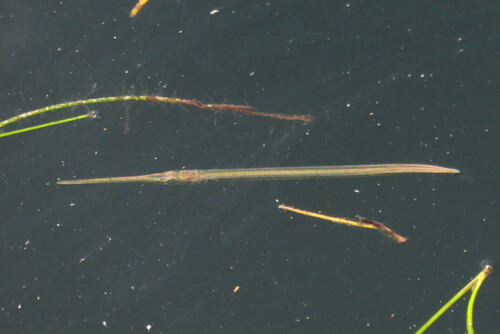
The Atlantic needlefish has an elongate, eel-like body, is mainly silver-grey and shows a plain pattern. Very elongated garfish with a long, toothed beak; can leap out of the water when disturbed.

Where does the Atlantic needlefish live?

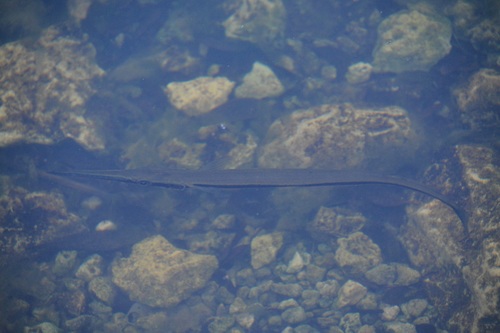
The Atlantic needlefish lives in both fresh and salt water and is mostly found around stony or rocky ground. Western Atlantic and Caribbean, on reef flats, in lagoons and sometimes in fresh water; juveniles among floating seaweed.

How big does the Atlantic needlefish get?

The Atlantic needlefish grows to a maximum of about 61 cm. On average the species is around 35 cm.

Is the Atlantic needlefish dangerous to humans?

No, the Atlantic needlefish is harmless to humans. Needlefish may leap from the water when disturbed; the sharp, pointed beak can cause puncture wounds. Clean and disinfect the wound and see a doctor for a deep injury.

Is the Atlantic needlefish edible?

Yes, the Atlantic needlefish is commonly eaten.

More photos
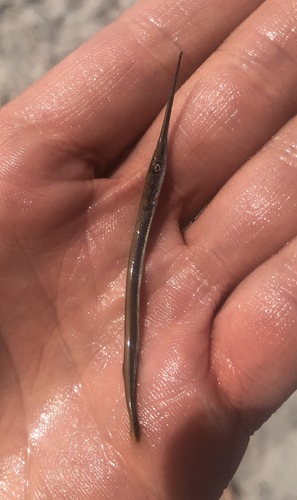
Atlantic needlefish (Strongylura timucu) — Belonidae — 2
iNaturalist ((c) ecovore, some rights reserved (CC BY))
Atlantic needlefish (Strongylura timucu) — Belonidae — 3
iNaturalist ((c) Squidpastry, some rights reserved (CC BY-NC))
Atlantic needlefish (Strongylura timucu) — Belonidae — 4
iNaturalist ((c) Chia⚡aka Cory Chiappone, some rights reserved (CC BY-NC))
Atlantic needlefish (Strongylura timucu) — Belonidae — 5
iNaturalist ((c) Squidpastry, some rights reserved (CC BY-NC))
Fin

Want the complete picture on the Atlantic needlefish?

Point your camera at the fish and Fin names the species in seconds. Free, and the Atlantic needlefish is one of 12,519 species in the app.

Get the app →

All data

Identification

English name
Atlantic needlefish verified
Scientific name
Strongylura timucu
Family
Belonidae
Other names
Needlefish; Peixe agulha; Tholepin; Timicu; Timucu verified

Appearance

Size class
Large verified
Max length (cm)
61.0 verified
Average length (cm)
35.0 verified
Body shape
Elongated (eel-like) sourced
Dominant colour
Silver / grey inferred
Pattern
Plain inferred
Tail shape
Forked inferred
Mouth position
Beak-shaped inferred
Lips
Thin inferred
Barbels
No sourced
Dorsal fins
One continuous inferred
Dorsal spines
No sourced

Habitat & distribution

Water type
Euryhaline sourced
Substrate
Stone or rock sourced
Min depth (m)
1.0 verified
Max depth (m)
3.0 verified
Natural range
Western Atlantic and Caribbean, on reef flats, in lagoons and sometimes in fresh water; juveniles among floating seaweed. inferred
Origin
Native sourced

Behaviour & biology

Diet
Carnivore sourced
Diet (detail)
Mainly small fishes sourced
Social behaviour
Small groups inferred
Territorial
No inferred
Activity
Diurnal inferred
Reproduction
Separate sexes sourced
Sexual dimorphism
No inferred
Seasonality
Present year-round in its habitat; no pronounced seasonality known. inferred
Special features
Very elongated garfish with a long, toothed beak; can leap out of the water when disturbed. sourced

For anglers

Edibility
Commonly eaten sourced
Fishing method
Casting with small lures or natural bait at the surface; also caught under lights. sourced
Regulations source
FishBase ↗ inferred

Safety

Danger to humans
Harmless sourced
First aid
Needlefish may leap from the water when disturbed; the sharp, pointed beak can cause puncture wounds. Clean and disinfect the wound and see a doctor for a deep injury. sourced

Status & sources

Sources
FishBase via GBIF (DwC-A), CC-BY-NC 4.0

Same genus Strongylura

More from the family Belonidae
Fin

Want the complete picture on the Atlantic needlefish?

Point your camera at the fish and Fin names the species in seconds. Free, and the Atlantic needlefish is one of 12,519 species in the app.

Get the app →
Is this the Atlantic needlefish? Get the app