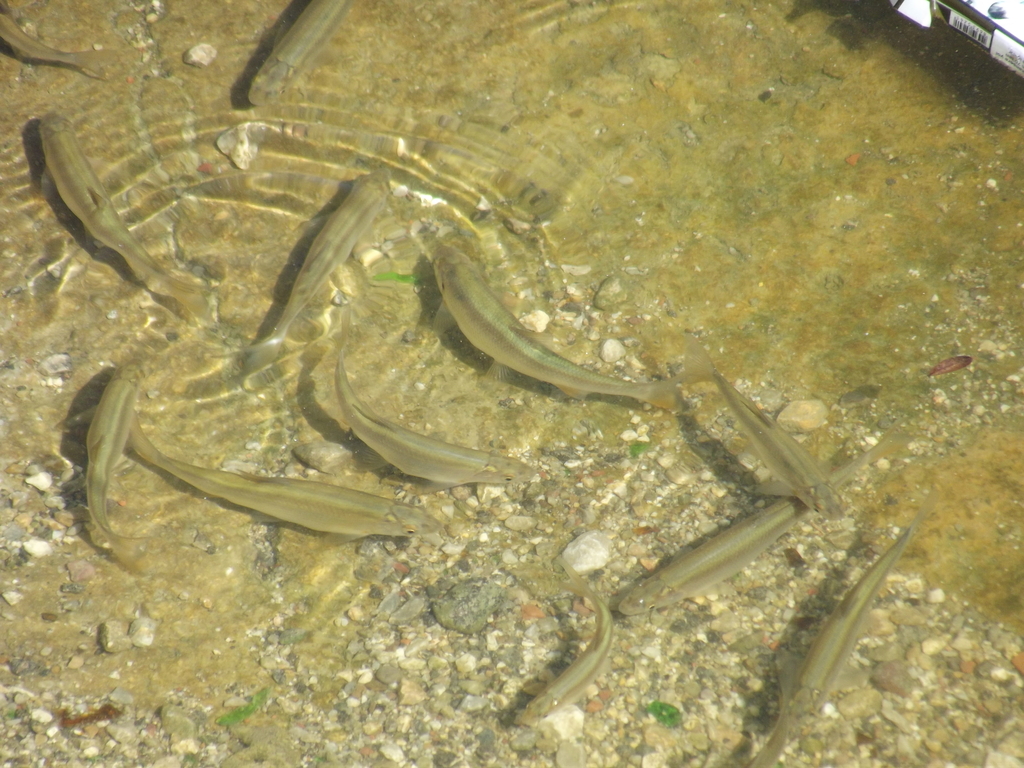
The Caucasian bleak (Alburnus escherichii) is a brackish-water fish of the family Cyprinidae that grows up to 18 cm.
Description
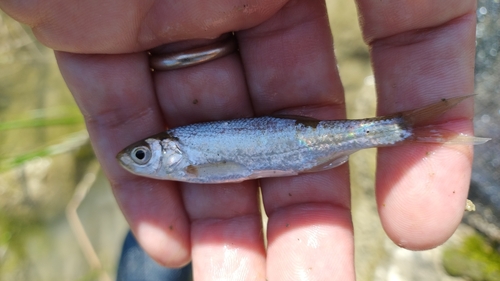
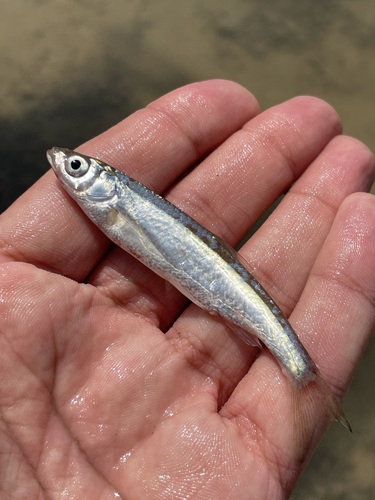
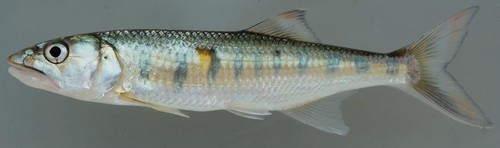
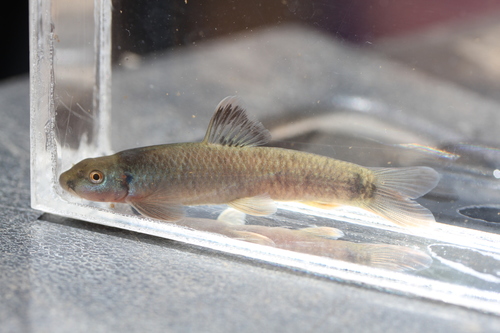
The Caucasian bleak is a slender cyprinid endemic to inland waters of Anatolia in Turkey, including the Sakarya and Kizilirmak drainages. It grows to about 18 cm and has the typical slim, silvery body of a bleak, with a slightly upturned mouth and a forked tail. The fish lives in schools in fresh and slightly brackish water and feeds omnivorously on small animal and plant matter. It is harmless to humans and of minor fisheries value. The IUCN assesses the species as Least Concern (LC).
Frequently asked questions
How do you recognise the Caucasian bleak?
The Caucasian bleak has a torpedo-shaped body, is mainly silver-grey and shows a plain pattern.
Where does the Caucasian bleak live?
The Caucasian bleak lives in brackish water and is mostly found around mixed bottom.
How big does the Caucasian bleak get?
The Caucasian bleak grows to a maximum of about 18 cm.
Is the Caucasian bleak dangerous to humans?
No, the Caucasian bleak is harmless to humans.
Is the Caucasian bleak edible?
The Caucasian bleak is rarely eaten.
Download Fin's Fish Guide
Identify fish in seconds, log your catches and dives. Join the TestFlight beta.
All data
Identification
Appearance
Habitat & distribution
Behaviour & biology
For anglers
Safety
Status & sources
Same genus Alburnus
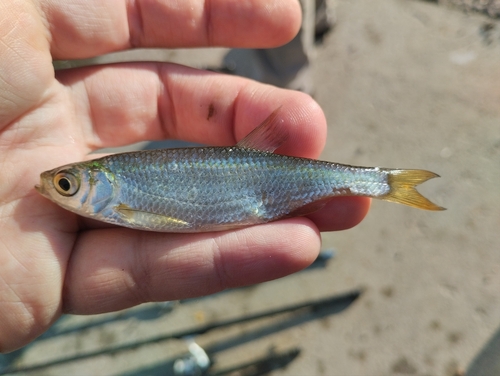
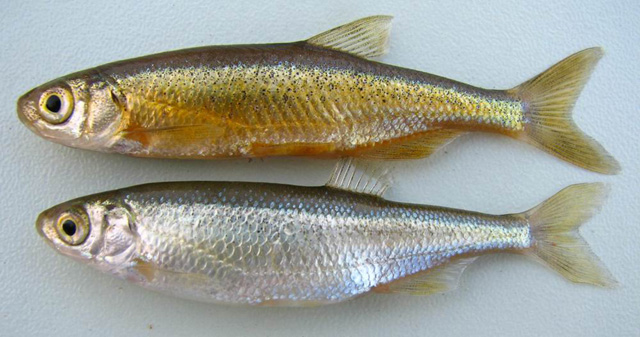
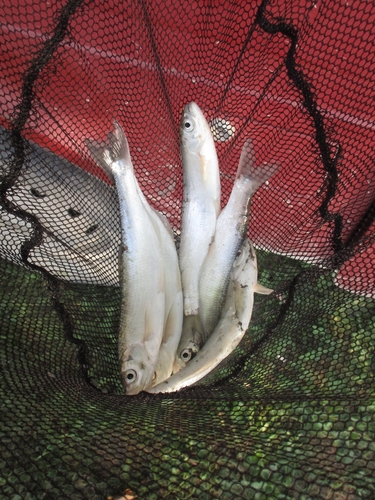
More from the family Cyprinidae


Download Fin's Fish Guide
Identify fish in seconds, log your catches and dives. Join the TestFlight beta.