 Fin's Fish Guide
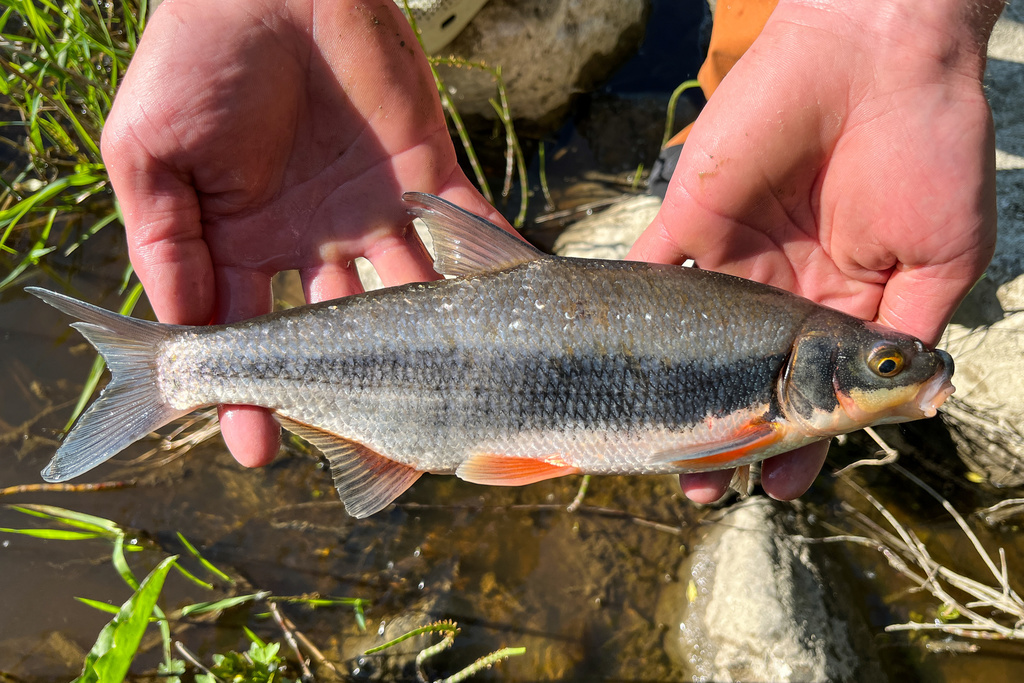
The Vimba bream (Vimba vimba) is a fish that lives in both fresh and salt water of the family Cyprinidae that grows up to 50 cm.
Fresh and brackish water of Central and Eastern Europe; partly anadromous, with spawning migration from the Baltic Sea and North Sea up the rivers.
Description
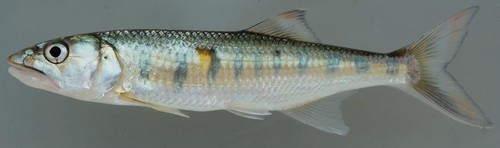
The vimba bream is a slender cyprinid of the family Cyprinidae reaching about 50 cm. Characteristic is the fleshy, forward-projecting snout above an inferior mouth, with which the fish roots for food on the bottom. The body is silvery with a blue-grey back; in the breeding season the back and belly turn dark and orange and males develop white spawning tubercles. The species lives in fresh and brackish water of central and eastern Europe and is partly anadromous: populations run up rivers from the Baltic and North Sea to spawn. It eats bottom animals such as midge larvae, snails, worms and crustaceans. The vimba bream is a valued fish for angling.
Frequently asked questions
How do you recognise the Vimba bream?
The Vimba bream has a torpedo-shaped body, is mainly silver-grey and shows a plain pattern. Slender cyprinid with a fleshy, forward-projecting snout above an inferior mouth; in the spawning season the back and belly colour up dark and orange.
Where does the Vimba bream live?
The Vimba bream lives in both fresh and salt water and is mostly found around mixed bottom. Fresh and brackish water of Central and Eastern Europe; partly anadromous, with spawning migration from the Baltic Sea and North Sea up the rivers.
How big does the Vimba bream get?
The Vimba bream grows to a maximum of about 50 cm. On average the species is around 20 cm.
Is the Vimba bream dangerous to humans?
No, the Vimba bream is harmless to humans. None required: this species is harmless to humans.
Is the Vimba bream edible?
The Vimba bream is rarely eaten.
Easily confused with
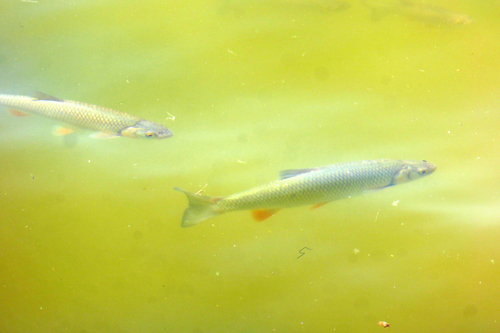
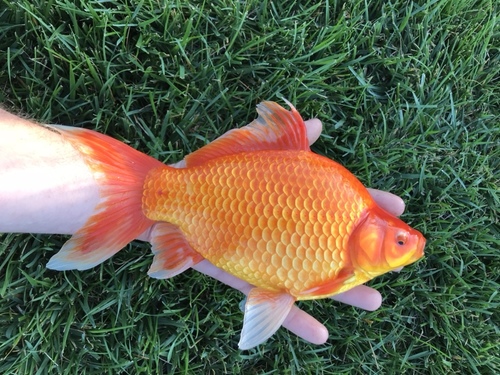
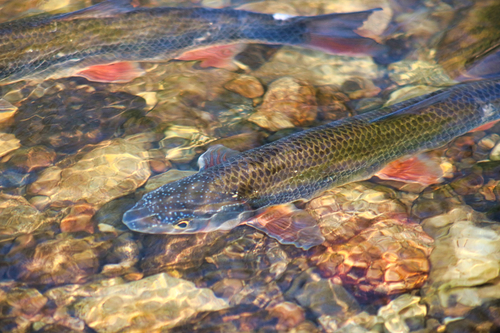
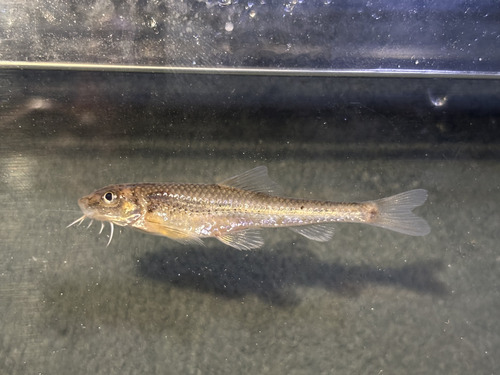
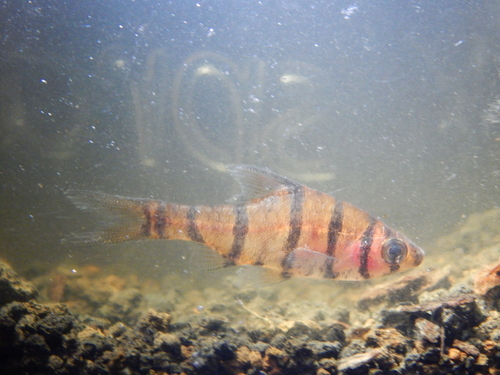
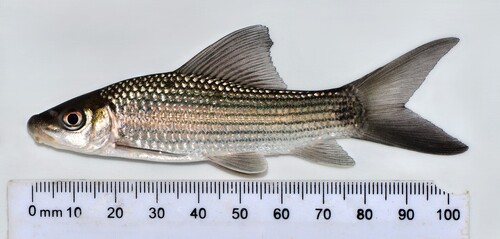
These species look like the Vimba bream and live in the same waters.
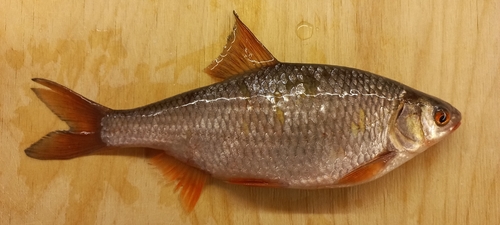


Want the complete picture on the Vimba bream?
Point your camera at the fish and Fin names the species in seconds. Free, and the Vimba bream is one of 12,519 species in the app.
All data
Identification
Appearance
Habitat & distribution
Behaviour & biology
For anglers
Safety
Status & sources
More from the family Cyprinidae



Want the complete picture on the Vimba bream?
Point your camera at the fish and Fin names the species in seconds. Free, and the Vimba bream is one of 12,519 species in the app.