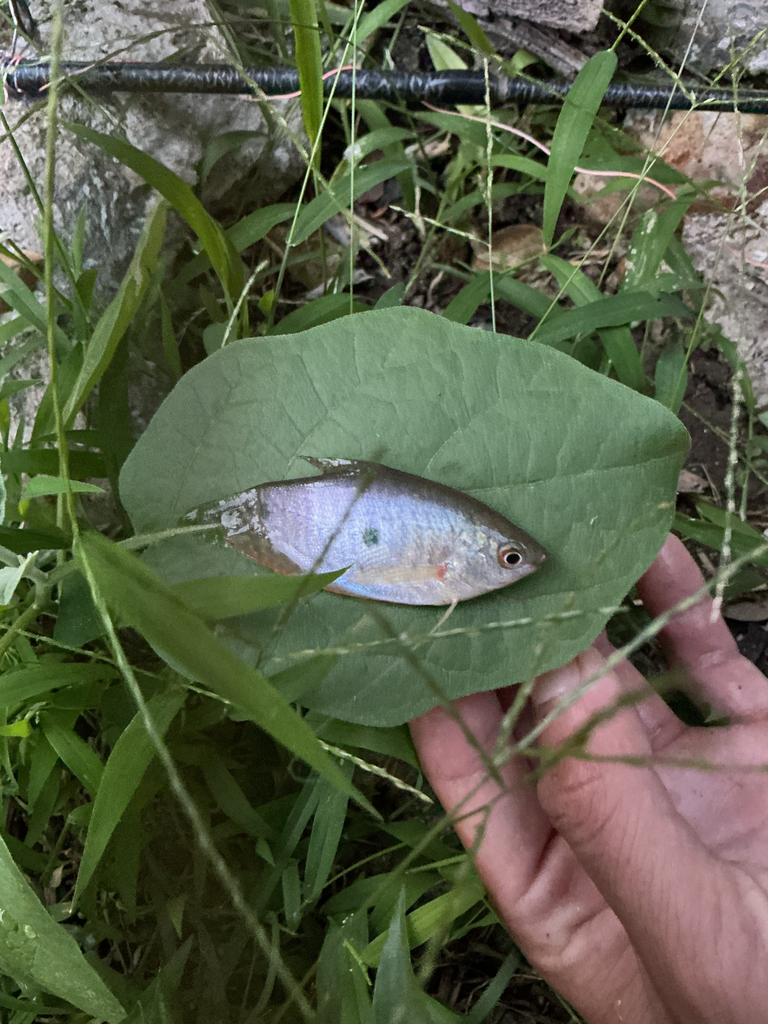
The Blue gourami (Trichopodus trichopterus) is a freshwater fish of the family Osphronemidae that grows up to 15 cm.
Description
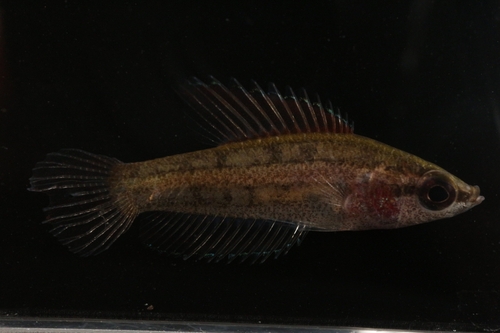
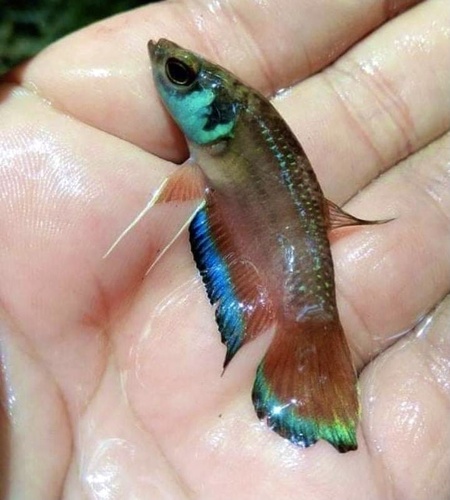
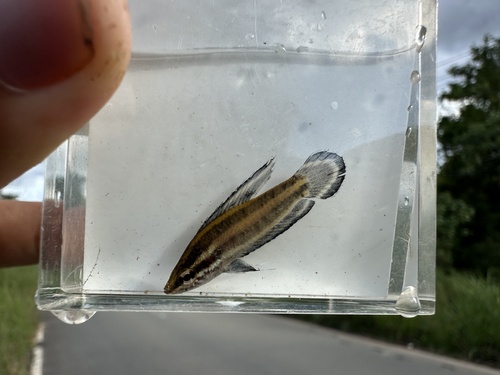
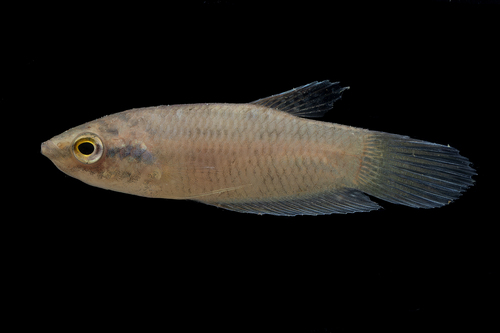
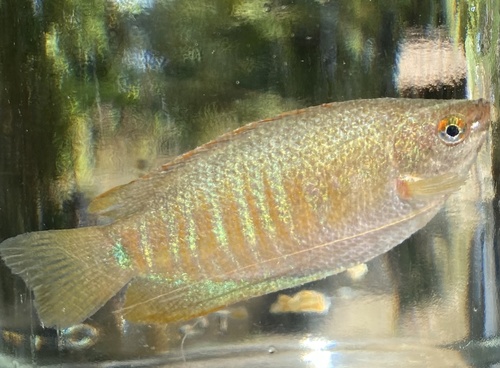
The three spot gourami is a labyrinth fish (family Osphronemidae) of Southeast Asia. The species reaches about 15 cm and has a deep, laterally compressed, silvery-bluish body with two dark spots on the flank that, counting the eye, form the 'three spots'. The pelvic fins are modified into long feeler-threads. It inhabits lowland marshes, wetlands and canals with abundant aquatic plants and can gulp air with a labyrinth organ. Its diet is broad. Males build a bubble nest and guard the brood. The species is a very popular aquarium fish and has been introduced outside its native range.
Frequently asked questions
How do you recognise the Blue gourami?
The Blue gourami has a flattened, disc-shaped body, is mainly silver-grey and shows a spots pattern.
Where does the Blue gourami live?
The Blue gourami lives in fresh water and is mostly found around mixed bottom.
How big does the Blue gourami get?
The Blue gourami grows to a maximum of about 15 cm. On average the species is around 10 cm.
Is the Blue gourami dangerous to humans?
No, the Blue gourami is harmless to humans.
Is the Blue gourami edible?
The Blue gourami is rarely eaten.
Download Fin's Fish Guide
Identify fish in seconds, log your catches and dives. Join the TestFlight beta.
All data
Identification
Appearance
Habitat & distribution
Behaviour & biology
For anglers
Safety
Status & sources
Same genus Trichopodus
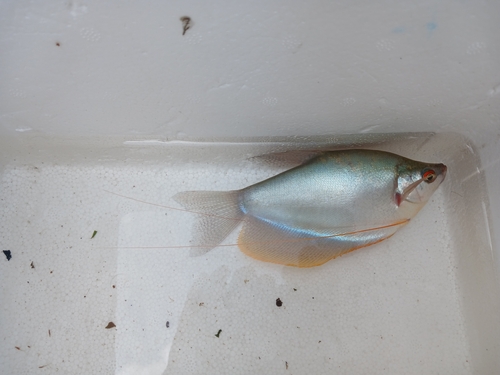
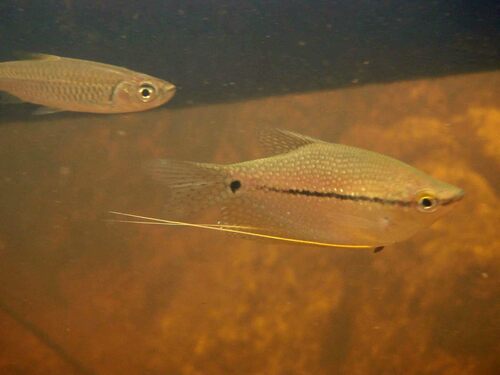
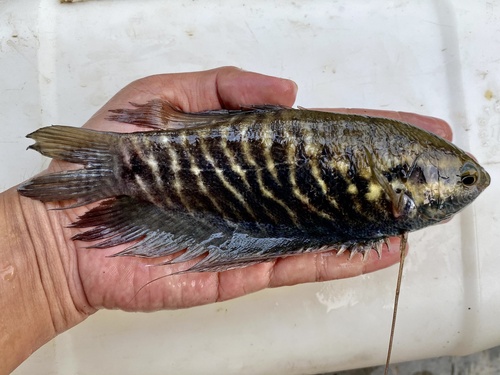
More from the family Osphronemidae
Download Fin's Fish Guide
Identify fish in seconds, log your catches and dives. Join the TestFlight beta.