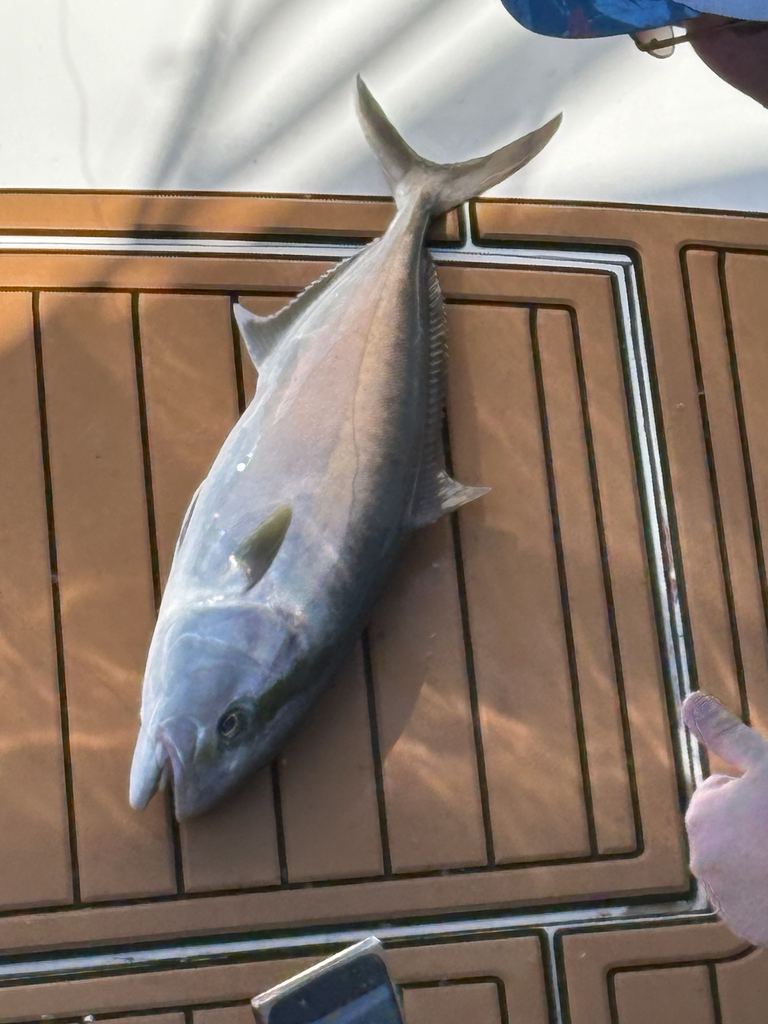
The Allied kingfish (Seriola dumerili) is a saltwater fish of the family Carangidae that grows up to 190 cm.
Description
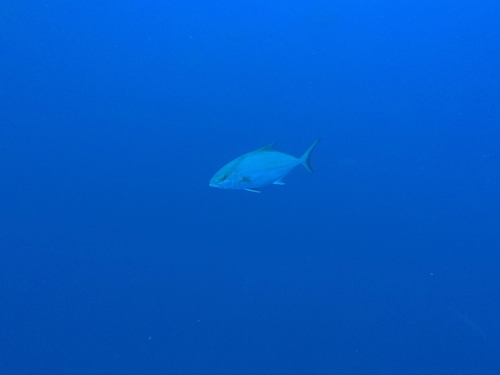
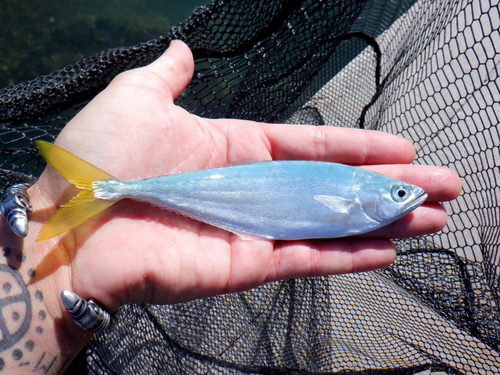
The greater amberjack is a powerful, streamlined predator of the family Carangidae reaching up to 190 cm. The body is bluish-grey to olive above and silvery-white below, with a striking amber stripe along the midside and a dark oblique band through the eye. The species occurs circumglobally in warm seas, including the Mediterranean, with juveniles schooling around floating debris and adults moving to deeper reefs. It hunts mainly fish and invertebrates. The greater amberjack is a sought-after sport and food fish, though it can locally cause ciguatera poisoning when eaten.
Frequently asked questions
How do you recognise the Allied kingfish?
The Allied kingfish has a torpedo-shaped body, is mainly silver-grey and shows a horizontal stripes pattern.
Where does the Allied kingfish live?
The Allied kingfish lives in the sea (marine waters) and is mostly found around stony or rocky ground.
How big does the Allied kingfish get?
The Allied kingfish grows to a maximum of about 190 cm. On average the species is around 100 cm.
Is the Allied kingfish dangerous to humans?
The Allied kingfish is venomous — handle spines with care and seek medical help after a sting if needed.
Is the Allied kingfish edible?
Yes, the Allied kingfish is a highly prized food fish.
Download Fin's Fish Guide
Identify fish in seconds, log your catches and dives. Join the TestFlight beta.
All data
Identification
Appearance
Habitat & distribution
Behaviour & biology
For anglers
Safety
Status & sources
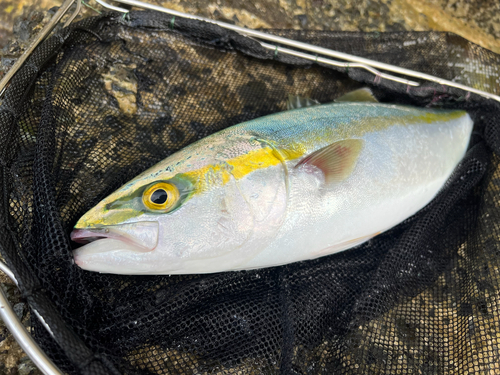
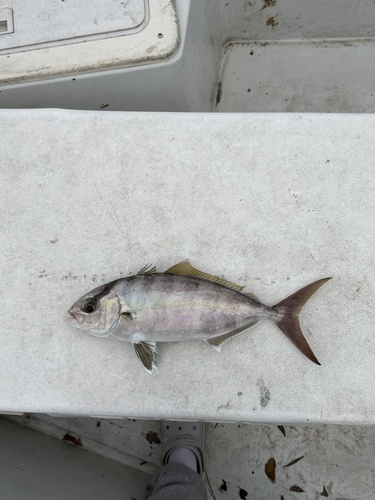
Same genus Seriola
More from the family Carangidae
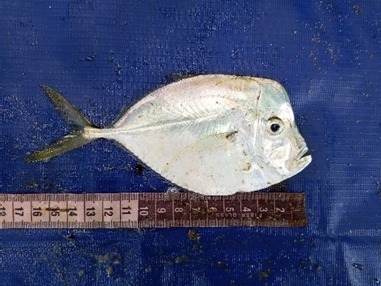
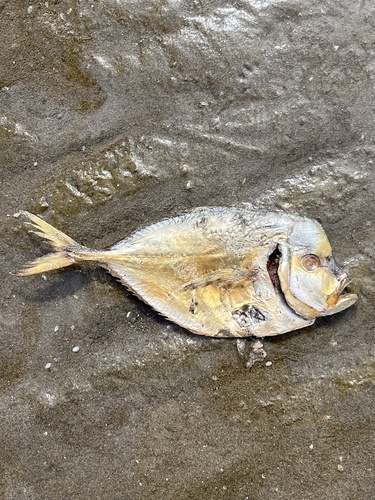

Download Fin's Fish Guide
Identify fish in seconds, log your catches and dives. Join the TestFlight beta.