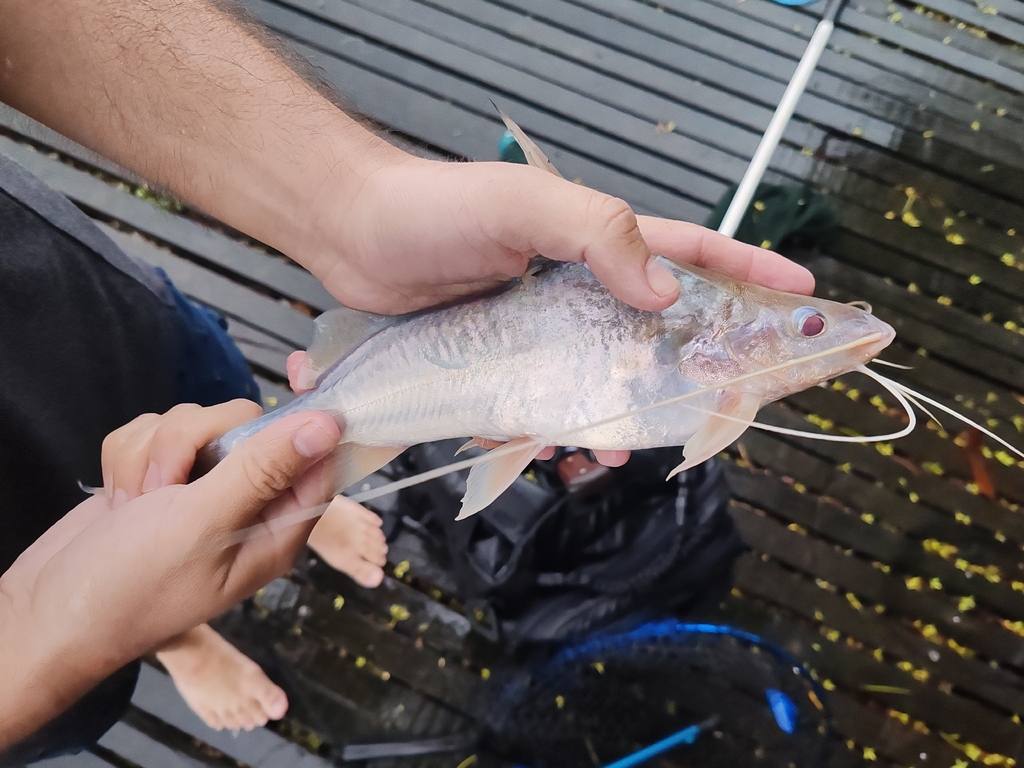
The Bloch's catfish (Pimelodus blochii) is a brackish-water fish of the family Pimelodidae that grows up to 35 cm.
Description
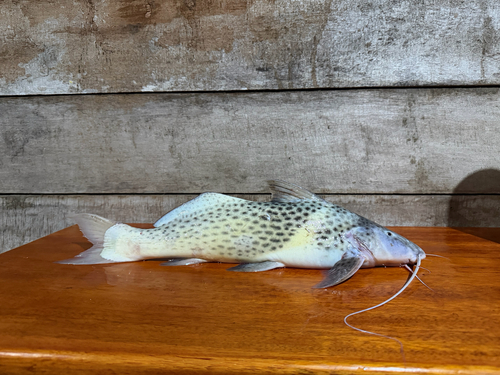
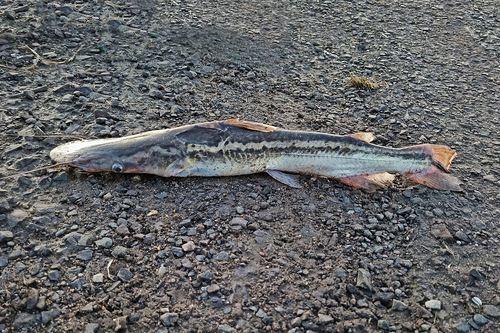
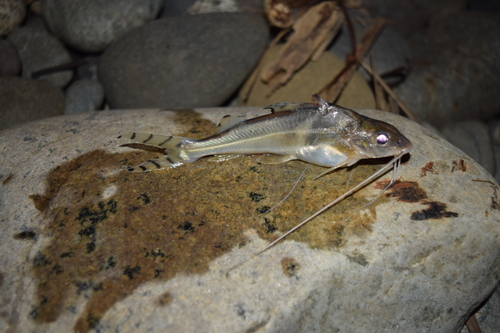
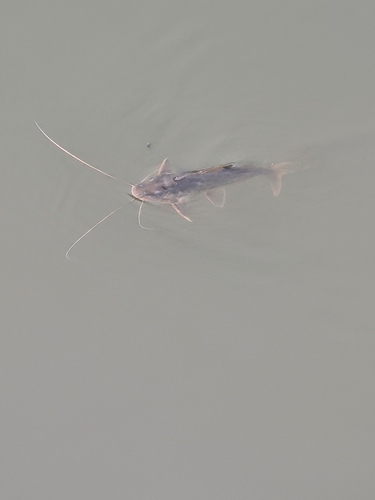
Pimelodus blochii is a long-whiskered catfish (family Pimelodidae) of tropical South America. The species grows to about 35 cm and has a streamlined, silvery-grey body with dark spots and very long barbels. It is gregarious and can be active by day or night; it shelters under dead wood and can breathe air through its intestine to tolerate low-oxygen conditions. The species is common in the lower reaches of large rivers and is an omnivore. It is of commercial value to local fisheries; the fin spines can cause painful injuries.
Frequently asked questions
How do you recognise the Bloch's catfish?
The Bloch's catfish has a torpedo-shaped body, is mainly silver-grey and shows a spots pattern.
Where does the Bloch's catfish live?
The Bloch's catfish lives in brackish water and is mostly found around mixed bottom.
How big does the Bloch's catfish get?
The Bloch's catfish grows to a maximum of about 35 cm. On average the species is around 20 cm.
Is the Bloch's catfish dangerous to humans?
No, the Bloch's catfish is harmless to humans.
Is the Bloch's catfish edible?
Yes, the Bloch's catfish is commonly eaten.
Download Fin's Fish Guide
Identify fish in seconds, log your catches and dives. Join the TestFlight beta.
All data
Identification
Appearance
Habitat & distribution
Behaviour & biology
For anglers
Safety
Status & sources
Same genus Pimelodus

More from the family Pimelodidae


Download Fin's Fish Guide
Identify fish in seconds, log your catches and dives. Join the TestFlight beta.