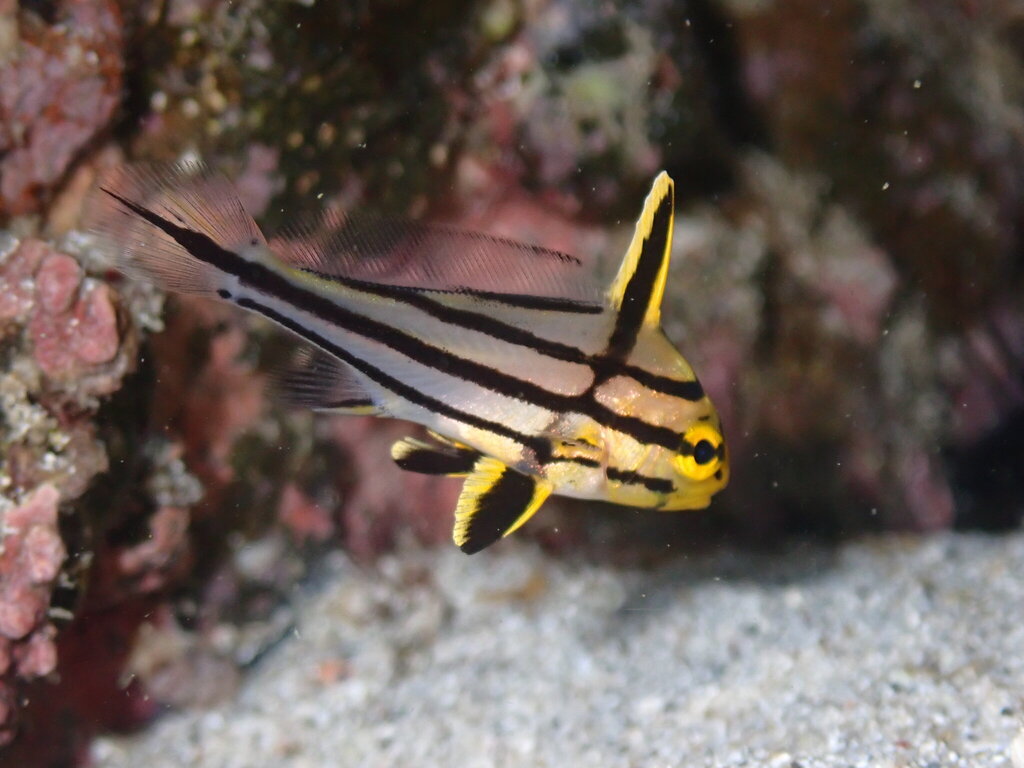
The Gungo highhat (Pareques viola) is a saltwater fish of the family Sciaenidae that grows up to 25 cm.
Description
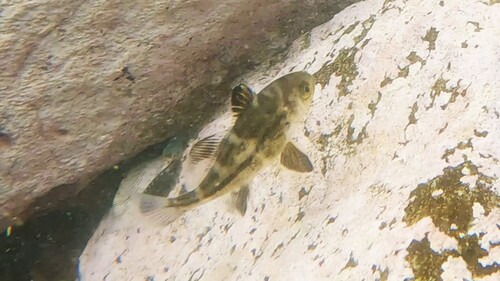
The gungo highhat is a drum (Sciaenidae) from the eastern Pacific, from the Gulf of California to Peru. The species reaches about 25 cm and is conspicuous for its very tall, banner-like first dorsal fin and a black-and-white striped body. Adults are secretive, nocturnal fish that hide under ledges and in caves by day and emerge only at night to feed on bottom fauna. Sometimes they form large, inactive aggregations in caves, where little feeding occurs. Schools of juveniles appear mainly in summer.
Frequently asked questions
How do you recognise the Gungo highhat?
The Gungo highhat has a torpedo-shaped body, is mainly black and shows a horizontal stripes pattern.
Where does the Gungo highhat live?
The Gungo highhat lives in the sea (marine waters) and is mostly found around stony or rocky ground.
How big does the Gungo highhat get?
The Gungo highhat grows to a maximum of about 25 cm. On average the species is around 20 cm.
Is the Gungo highhat dangerous to humans?
No, the Gungo highhat is harmless to humans.
Is the Gungo highhat edible?
The Gungo highhat is rarely eaten.
Download Fin's Fish Guide
Identify fish in seconds, log your catches and dives. Join the TestFlight beta.
All data
Identification
Appearance
Habitat & distribution
Behaviour & biology
For anglers
Safety
Status & sources
Same genus Pareques
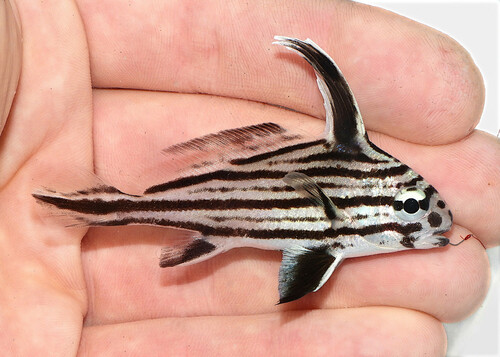
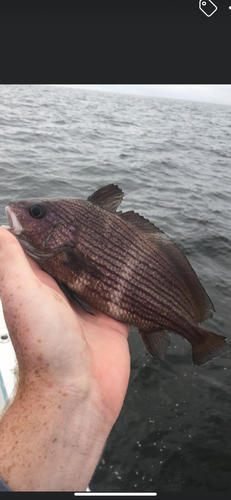
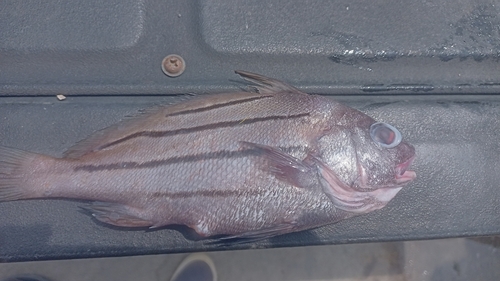
More from the family Sciaenidae

Download Fin's Fish Guide
Identify fish in seconds, log your catches and dives. Join the TestFlight beta.