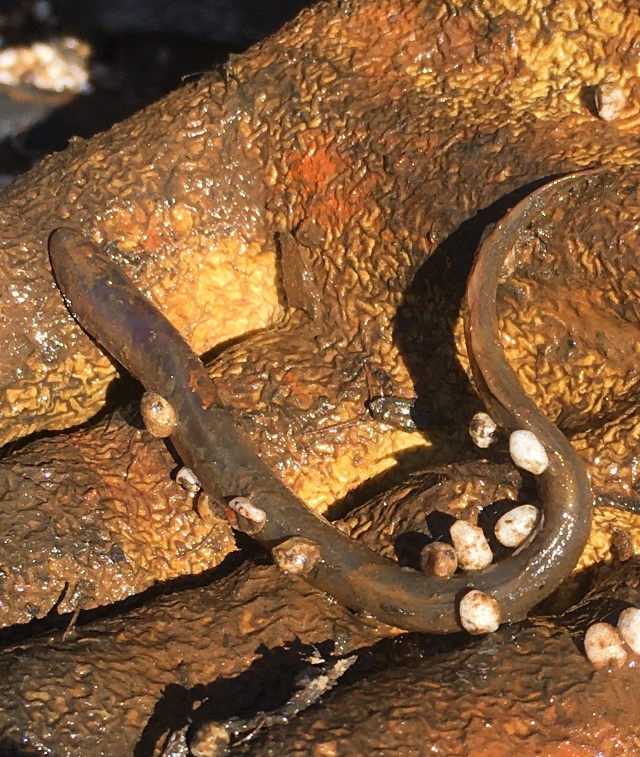
The Parasitic river lamprey (Lampetra ayresii) is a fish that lives in both fresh and salt water of the family Petromyzontidae that grows up to 28 cm.
Description
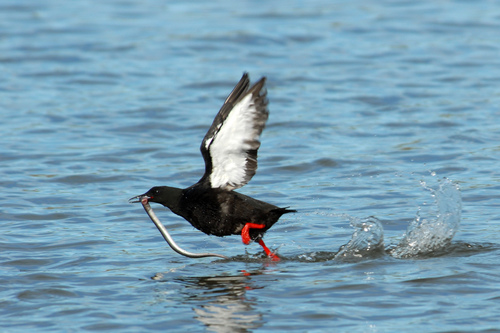
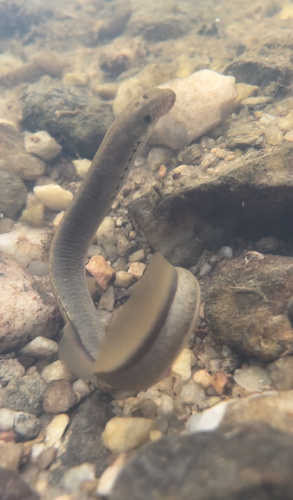
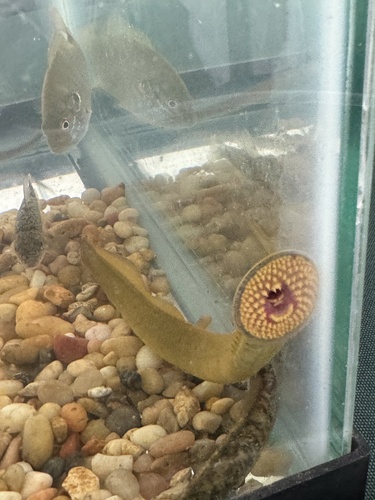
The western river lamprey is a lamprey (Petromyzontidae), a jawless, primitive fish from the northeastern Pacific. The species has an eel-shaped, scaleless body without jaws, with a round sucker mouth full of horny teeth. It is anadromous: it spawns in fresh water, but the adults live at the coast where as parasites they suck blood and tissue from other fishes. After spawning they die. The species is harmless to humans.
Frequently asked questions
How do you recognise the Parasitic river lamprey?
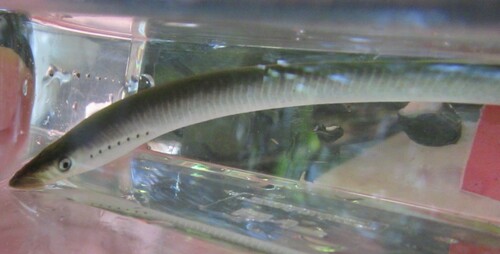
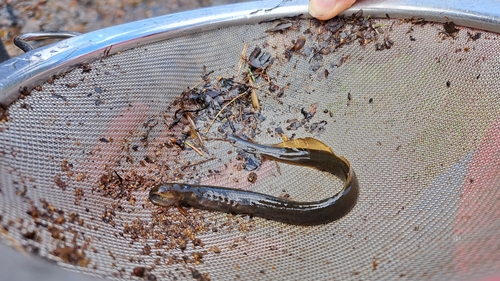
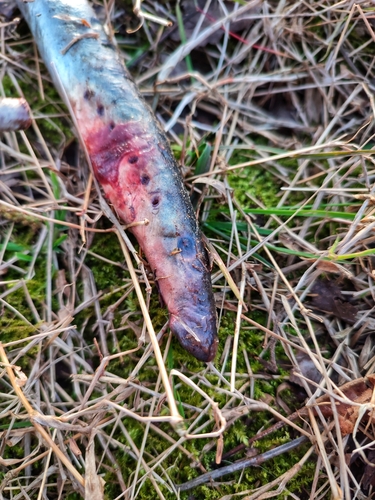
The Parasitic river lamprey has a snake-like body, is mainly brown and shows a plain pattern.
Where does the Parasitic river lamprey live?
The Parasitic river lamprey lives in both fresh and salt water and is mostly found around sand or mud bottom.
How big does the Parasitic river lamprey get?
The Parasitic river lamprey grows to a maximum of about 28 cm. On average the species is around 21 cm.
Is the Parasitic river lamprey dangerous to humans?
No, the Parasitic river lamprey is harmless to humans.
Is the Parasitic river lamprey edible?
The Parasitic river lamprey is not usually eaten.
Download Fin's Fish Guide
Identify fish in seconds, log your catches and dives. Join the TestFlight beta.
All data
Identification
Appearance
Habitat & distribution
Behaviour & biology
For anglers
Safety
Status & sources
Same genus Lampetra

More from the family Petromyzontidae

Download Fin's Fish Guide
Identify fish in seconds, log your catches and dives. Join the TestFlight beta.