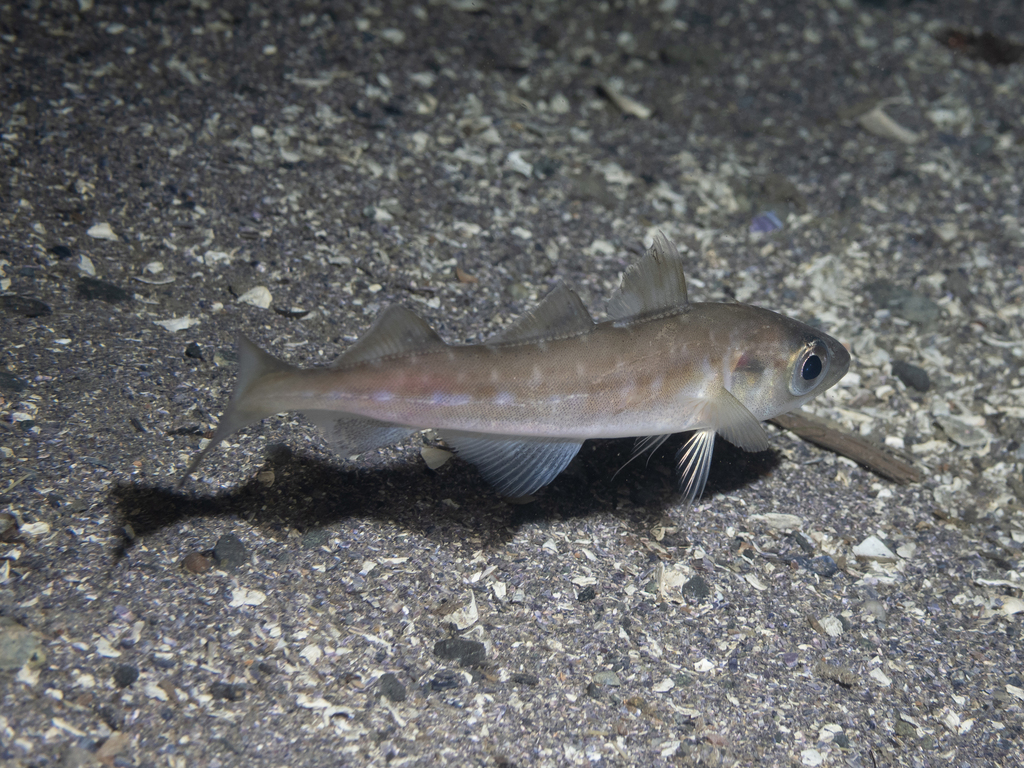
The Alaska pollack (Gadus chalcogrammus) is a brackish-water fish of the family Gadidae that grows up to 91 cm.
Description
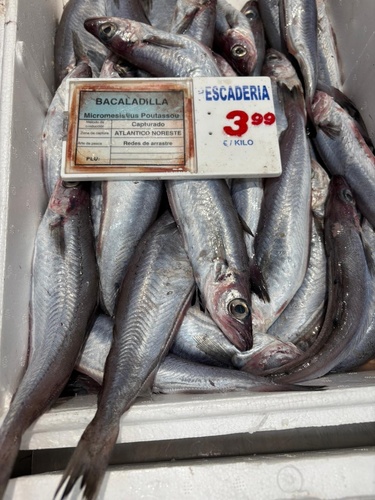
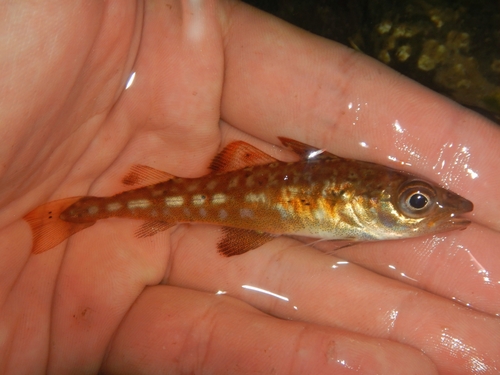
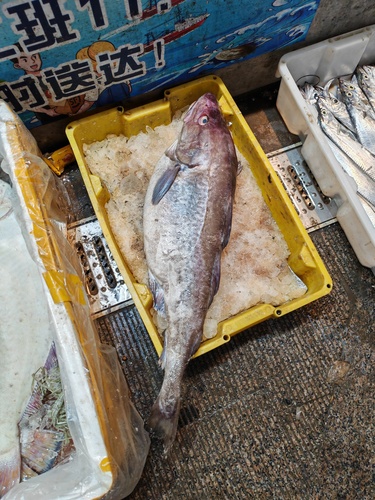
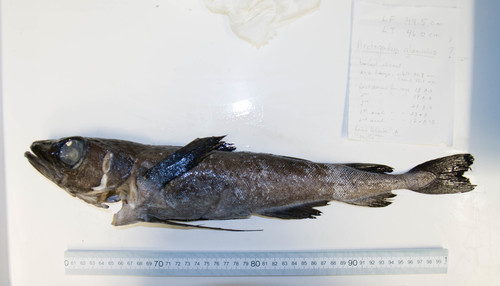
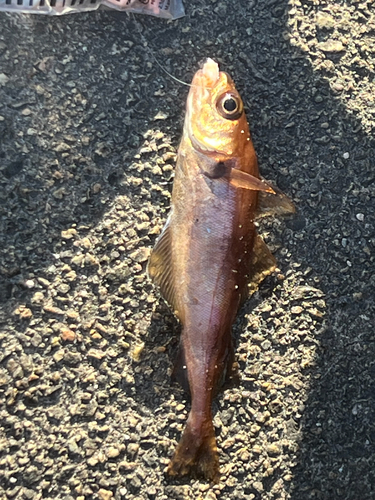
The Alaska pollock is a cod-like fish of the family Gadidae from the North Pacific reaching about 91 cm. The species has a streamlined, olive-brown to silvery body with three separate dorsal fins and large eyes. Adults usually live close to the bottom but sometimes appear near the surface and perform daily vertical migrations. The diet consists mainly of krill, supplemented with fishes and crustaceans. The species supports one of the largest commercial fisheries in the world: it is caught with pelagic trawls and processed into surimi and fish fillets. The fish can live to almost thirty years.
Frequently asked questions
How do you recognise the Alaska pollack?
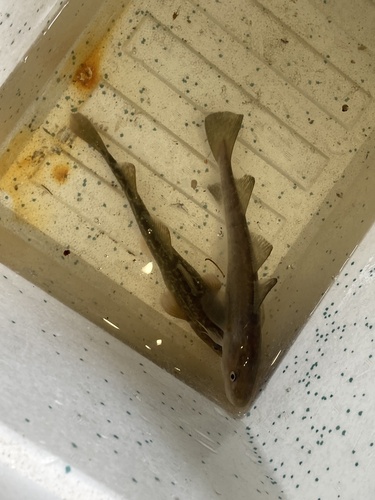
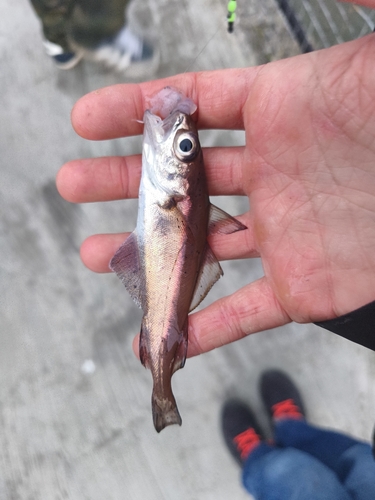
The Alaska pollack has a torpedo-shaped body, is mainly silver-grey and shows a marbled pattern.
Where does the Alaska pollack live?
The Alaska pollack lives in brackish water and is mostly found around mixed bottom.
How big does the Alaska pollack get?
The Alaska pollack grows to a maximum of about 91 cm.
Is the Alaska pollack dangerous to humans?
No, the Alaska pollack is harmless to humans.
Is the Alaska pollack edible?
Yes, the Alaska pollack is a highly prized food fish.
Download Fin's Fish Guide
Identify fish in seconds, log your catches and dives. Join the TestFlight beta.
All data
Identification
Appearance
Habitat & distribution
Behaviour & biology
For anglers
Safety
Status & sources
Same genus Gadus
More from the family Gadidae

Download Fin's Fish Guide
Identify fish in seconds, log your catches and dives. Join the TestFlight beta.