 Fin's Fish Guide
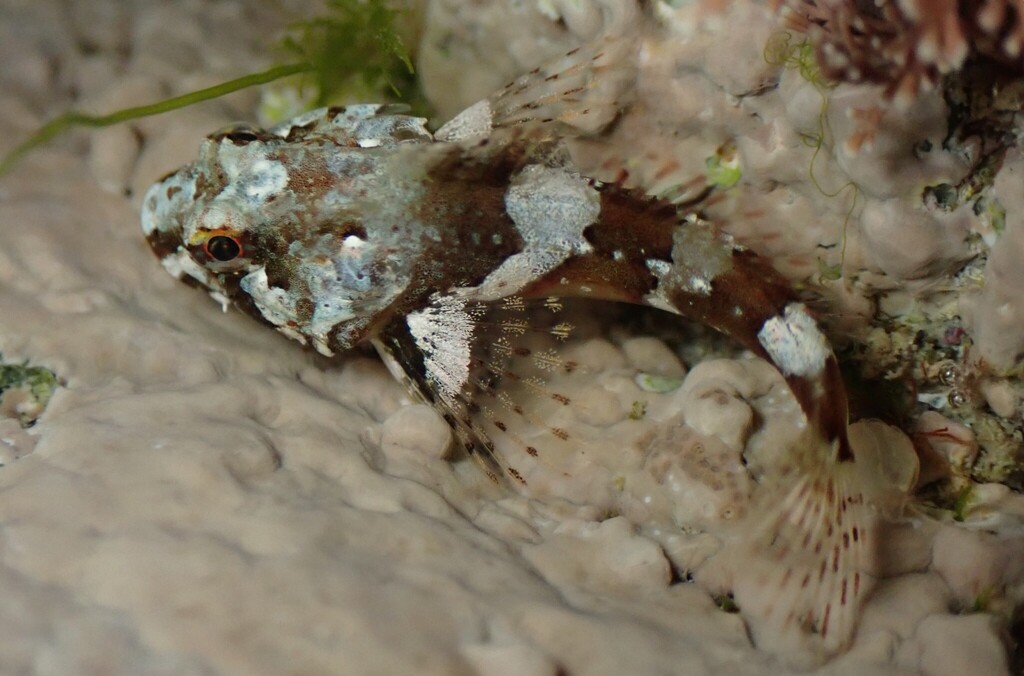
The Fatherlasher (Taurulus bubalis) is a saltwater fish of the family Cottidae that grows up to 18 cm.
Northeast Atlantic, including the North Sea and the Baltic Sea, on rocky and seaweed-covered coasts.
Description
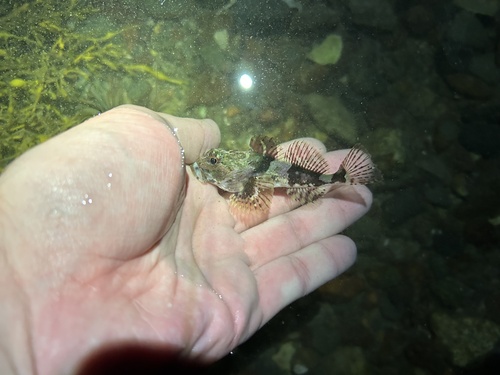
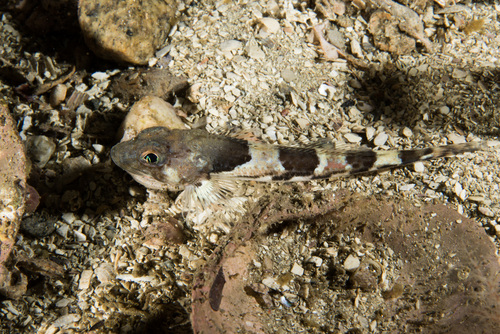
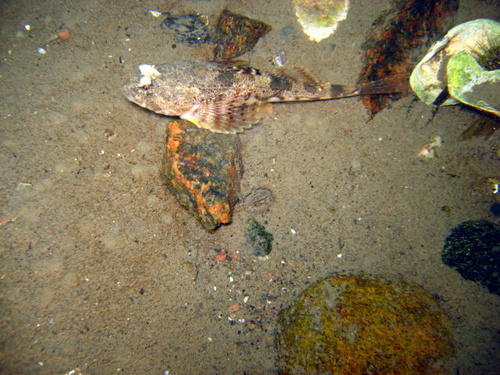
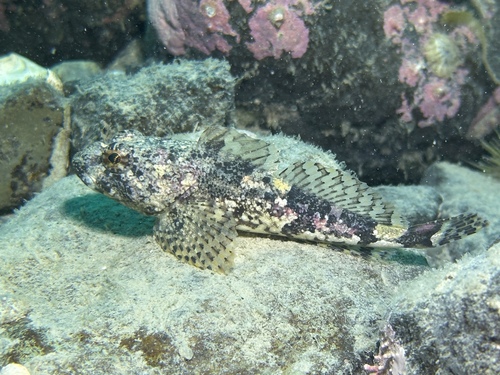
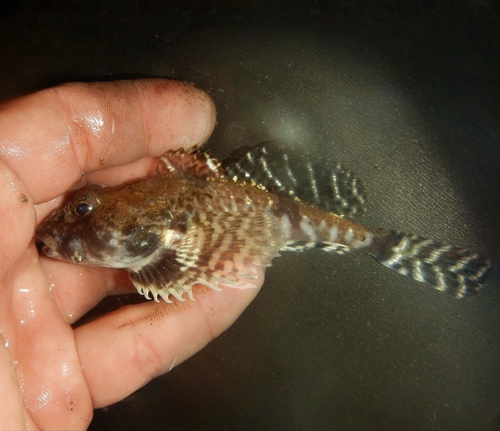
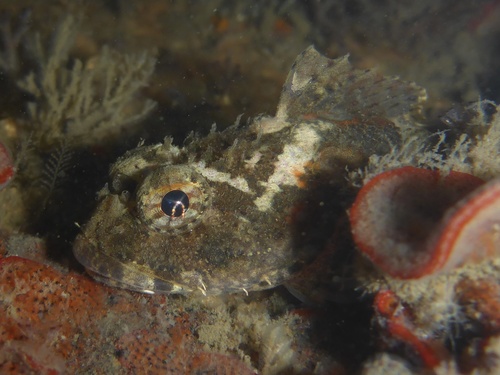
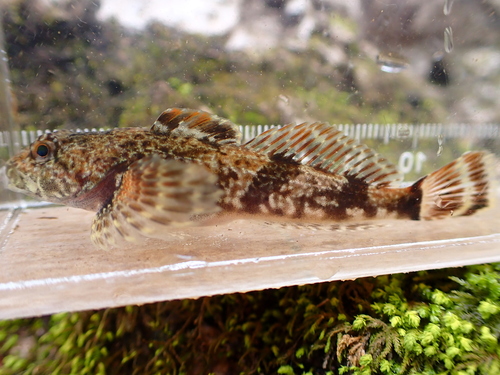
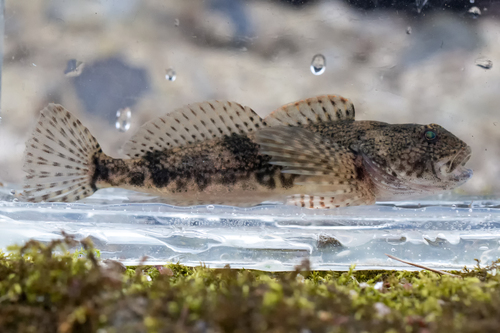
The longspined bullhead is a small bottom fish of the family Cottidae reaching about 18 cm. The stocky body has a large, broad head, no scales and a notably long spine on the gill cover; a small skin flap sits in the corner of the mouth. The brown-green, mottled colour gives excellent camouflage among rocks and weeds. The species lives in tide pools and on shallow rocky shores of the north-eastern Atlantic, the North Sea and the Baltic. As an ambush hunter it lurks among stones for shrimps, small crustaceans and small fish. The male defends a territory and guards the eggs laid among stones. Because of its small size it has no fishery importance.
Frequently asked questions
How do you recognise the Fatherlasher?
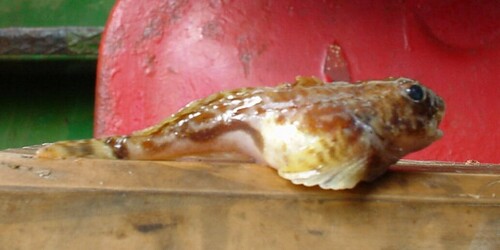
The Fatherlasher has a torpedo-shaped body, is mainly brown and shows a marbled pattern. Small sculpin with a long opercular spine and a skin flap in the corner of the mouth; excellently camouflaged on rocks.
Where does the Fatherlasher live?
The Fatherlasher lives in the sea (marine waters) and is mostly found around sand or mud bottom. Northeast Atlantic, including the North Sea and the Baltic Sea, on rocky and seaweed-covered coasts.
How big does the Fatherlasher get?
The Fatherlasher grows to a maximum of about 18 cm. On average the species is around 12 cm.
Is the Fatherlasher dangerous to humans?
No, the Fatherlasher is harmless to humans. None required: this species is harmless to humans.
Is the Fatherlasher edible?
The Fatherlasher is not usually eaten.
More photos
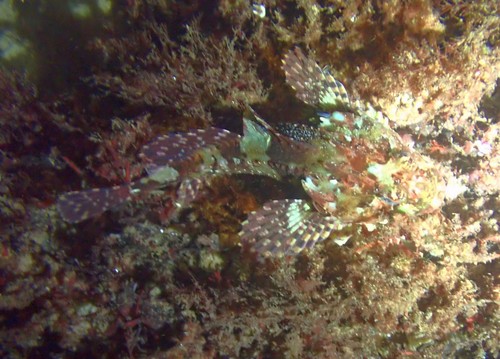
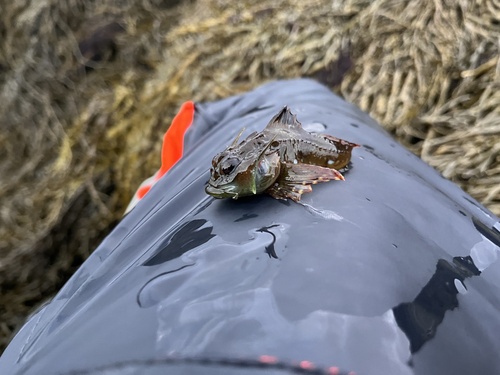
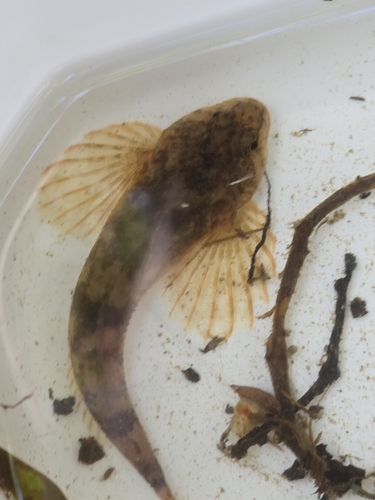
Easily confused with
These species look like the Fatherlasher and live in the same waters.

Want the complete picture on the Fatherlasher?
Point your camera at the fish and Fin names the species in seconds. Free, and the Fatherlasher is one of 12,519 species in the app.
All data
Identification
Appearance
Habitat & distribution
Behaviour & biology
For anglers
Safety
Status & sources
More from the family Cottidae

Want the complete picture on the Fatherlasher?
Point your camera at the fish and Fin names the species in seconds. Free, and the Fatherlasher is one of 12,519 species in the app.