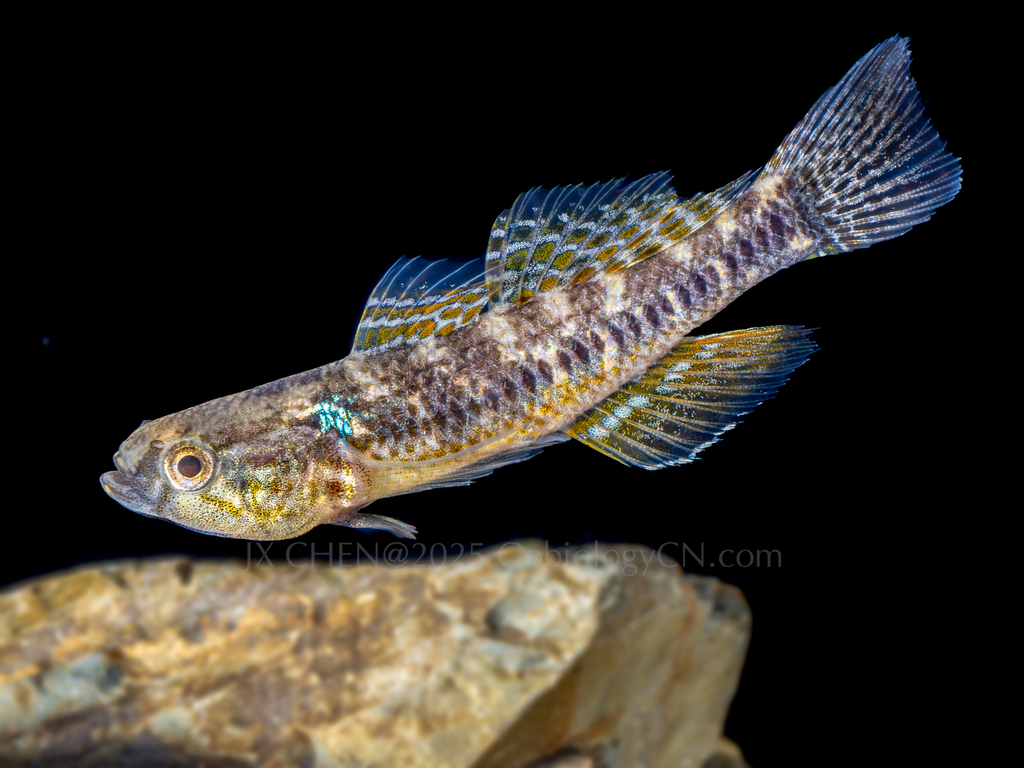
The Sleeper goby (Dormitator lebretonis) is a fish that lives in both fresh and salt water of the family Eleotridae that grows up to 12 cm.
Description
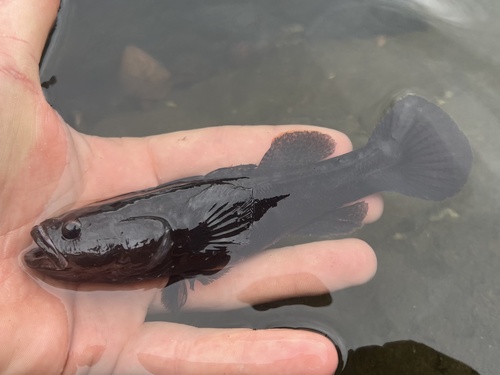
Dormitator lebretonis is a sleeper goby (family Eleotridae) of West Africa. The species reaches about 12 cm and has a stocky, fusiform, brownish body with a blunt head. It inhabits brackish estuaries, creeks, lagoons and mangrove areas and occasionally enters fresh water; the species tolerates a wide range of salinity. Its diet consists of detritus, algae and small invertebrates. Because it eats mosquito larvae the species is sometimes used as a biological control agent. It is harmless to humans and of little commercial value.
Frequently asked questions
How do you recognise the Sleeper goby?
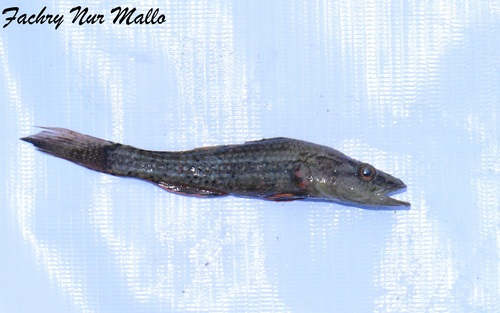
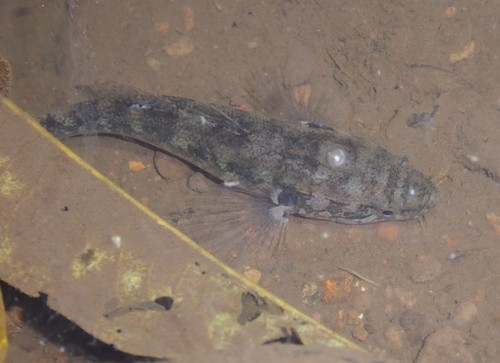
The Sleeper goby has a torpedo-shaped body, is mainly brown and shows a plain pattern.
Where does the Sleeper goby live?
The Sleeper goby lives in both fresh and salt water and is mostly found around sand or mud bottom.
How big does the Sleeper goby get?
The Sleeper goby grows to a maximum of about 12 cm.
Is the Sleeper goby dangerous to humans?
No, the Sleeper goby is harmless to humans.
Is the Sleeper goby edible?
The Sleeper goby is not usually eaten.
Download Fin's Fish Guide
Identify fish in seconds, log your catches and dives. Join the TestFlight beta.
All data
Identification
Appearance
Habitat & distribution
Behaviour & biology
For anglers
Safety
Status & sources
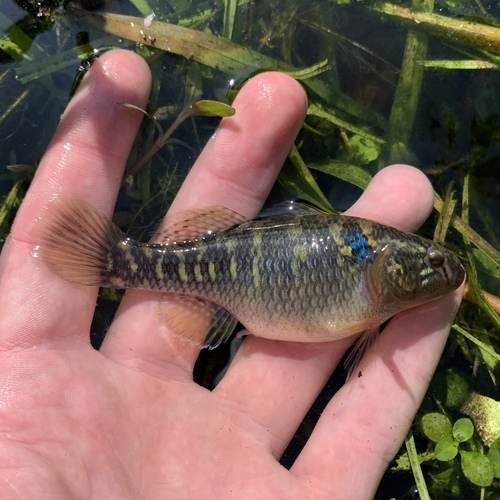
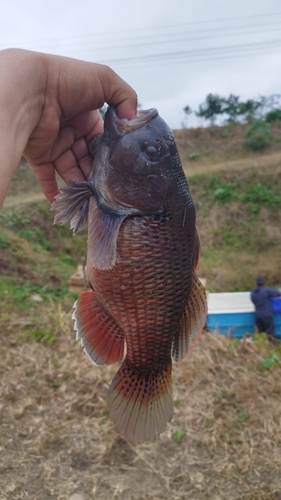
Same genus Dormitator
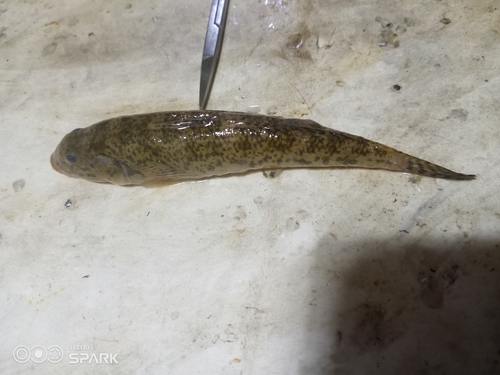
More from the family Eleotridae


Download Fin's Fish Guide
Identify fish in seconds, log your catches and dives. Join the TestFlight beta.