Home · Alestidae · Bigeye tetra
Bigeye tetra (Alestes macrophthalmus) — Alestidae

Bigeye tetra

Alestes macrophthalmus
Family: Alestidae
LC · Least Concern

The Bigeye tetra (Alestes macrophthalmus) is a freshwater fish of the family Alestidae that grows up to 60 cm.

Length
60 cm
Water
Freshwater
Diet
Omnivore
Behaviour
Schooling
Activity
Diurnal
Body shape
Torpedo-shaped
Substrate
Open water
Danger
Harmless
Range
Fresh water of Central Africa, in the Congo and parts of the Nile basin, in rivers, lakes and floodplains.
Edibility
Highly prized

Want the complete picture on the Bigeye tetra?

Get the app

Description

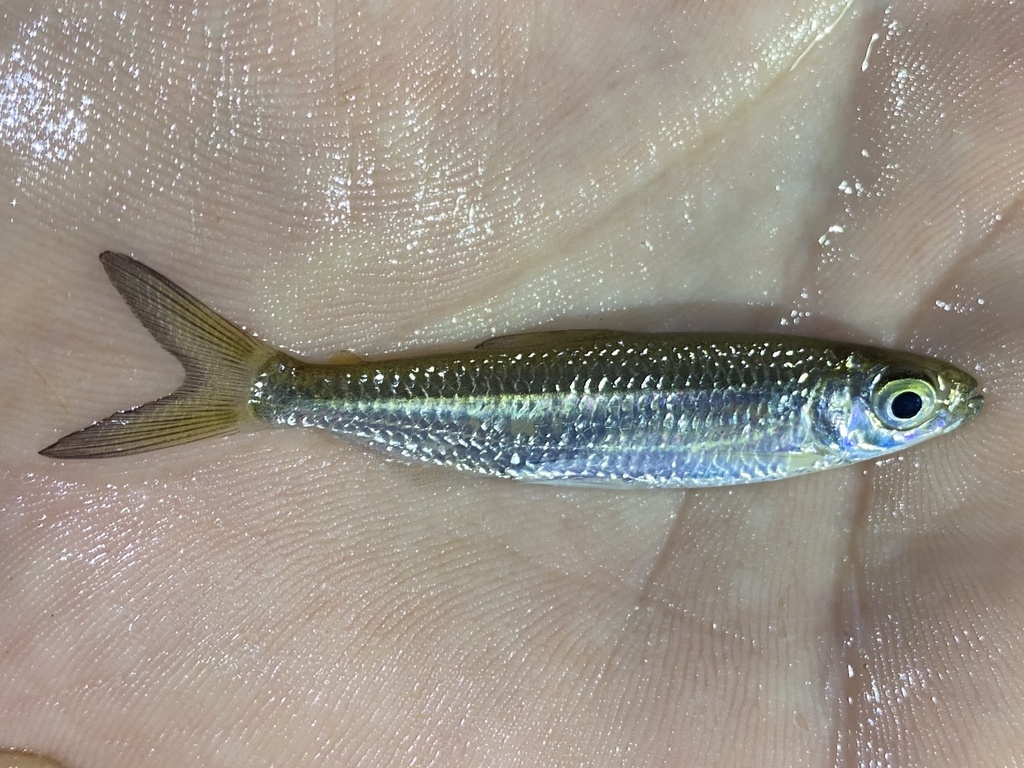
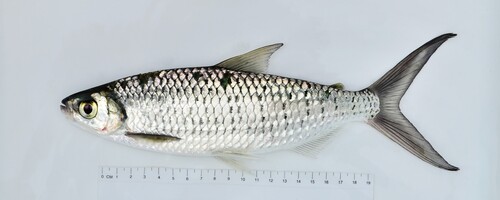
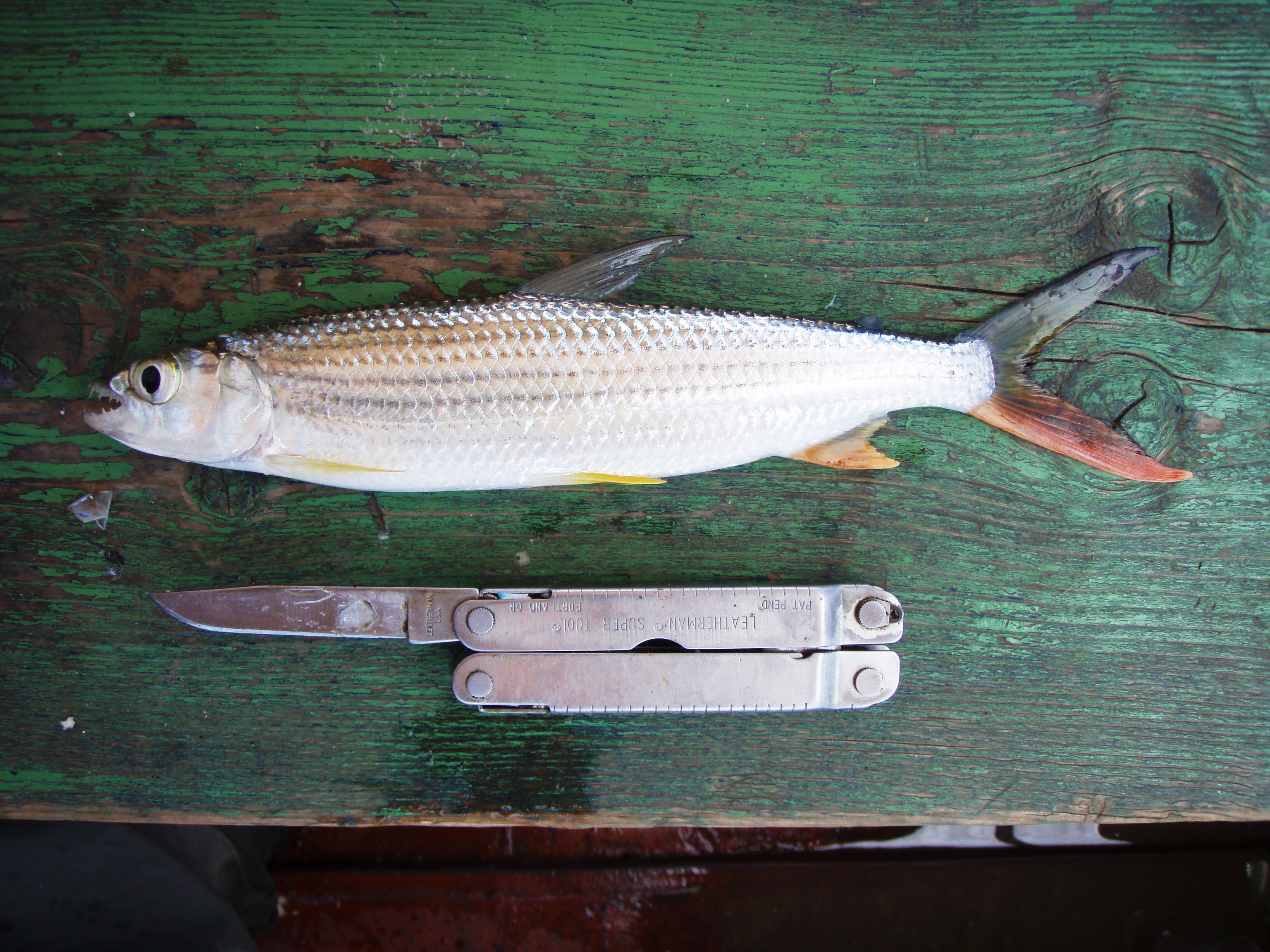
The bigeye tetra is a robust, silvery characin of the family Alestidae (African tetras) reaching about 60 cm. The streamlined body has conspicuously large eyes, large shiny scales and an adipose fin, as in many characins. The species comes from the Congo and parts of the Nile basin in Central Africa and lives in active schools in rivers, lakes and floodplains. As an omnivore it eats insects, seeds, fruits, plant matter and small fish, taken in the water column and at the surface. In the rainy season it spawns on flooded margins. With its size and tasty flesh the bigeye tetra is an important commercial and sport fish in the region.

Frequently asked questions

How do you recognise the Bigeye tetra?

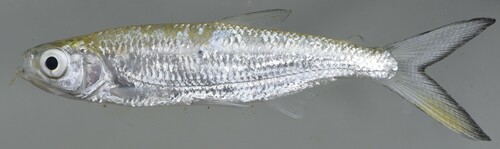
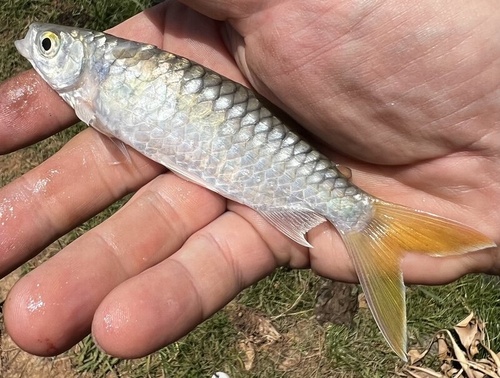
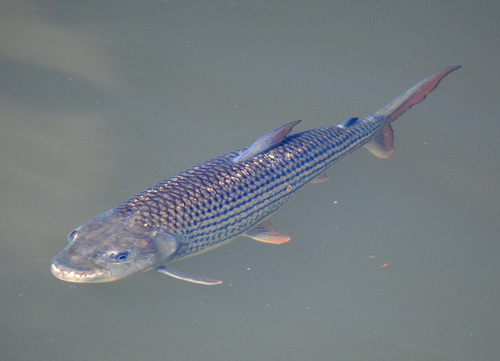
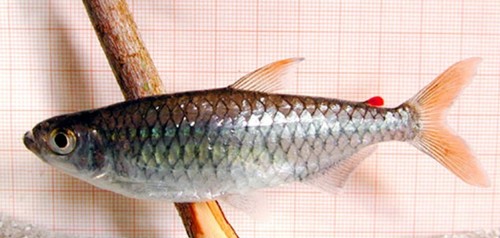
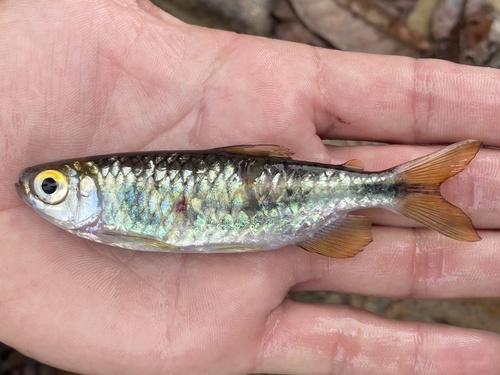
The Bigeye tetra has a torpedo-shaped body, is mainly silver-grey and shows a plain pattern. Large, silvery African characin with large eyes, large scales and an adipose fin; forms active shoals in open water.

Where does the Bigeye tetra live?

The Bigeye tetra lives in fresh water and is mostly found around open water. Fresh water of Central Africa, in the Congo and parts of the Nile basin, in rivers, lakes and floodplains.

How big does the Bigeye tetra get?

The Bigeye tetra grows to a maximum of about 60 cm.

Is the Bigeye tetra dangerous to humans?

No, the Bigeye tetra is harmless to humans. None required: this species is harmless to humans.

Is the Bigeye tetra edible?

Yes, the Bigeye tetra is a highly prized food fish.

More photos
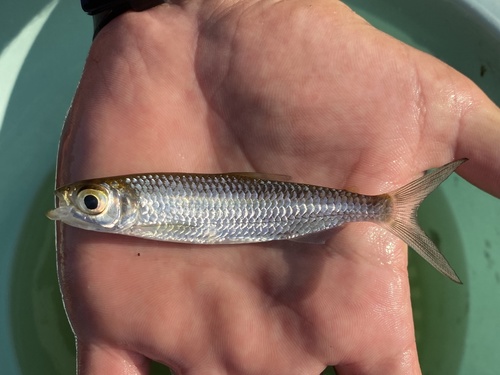
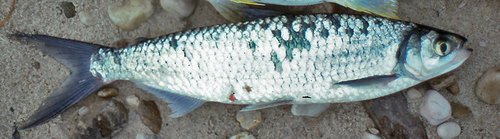
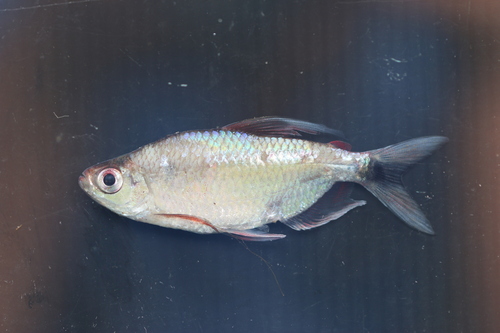
Bigeye tetra (Alestes macrophthalmus) — Alestidae — 2
iNaturalist ((c) joe_cutler, some rights reserved (CC BY-NC))
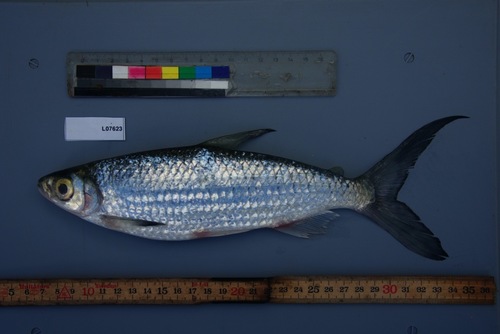
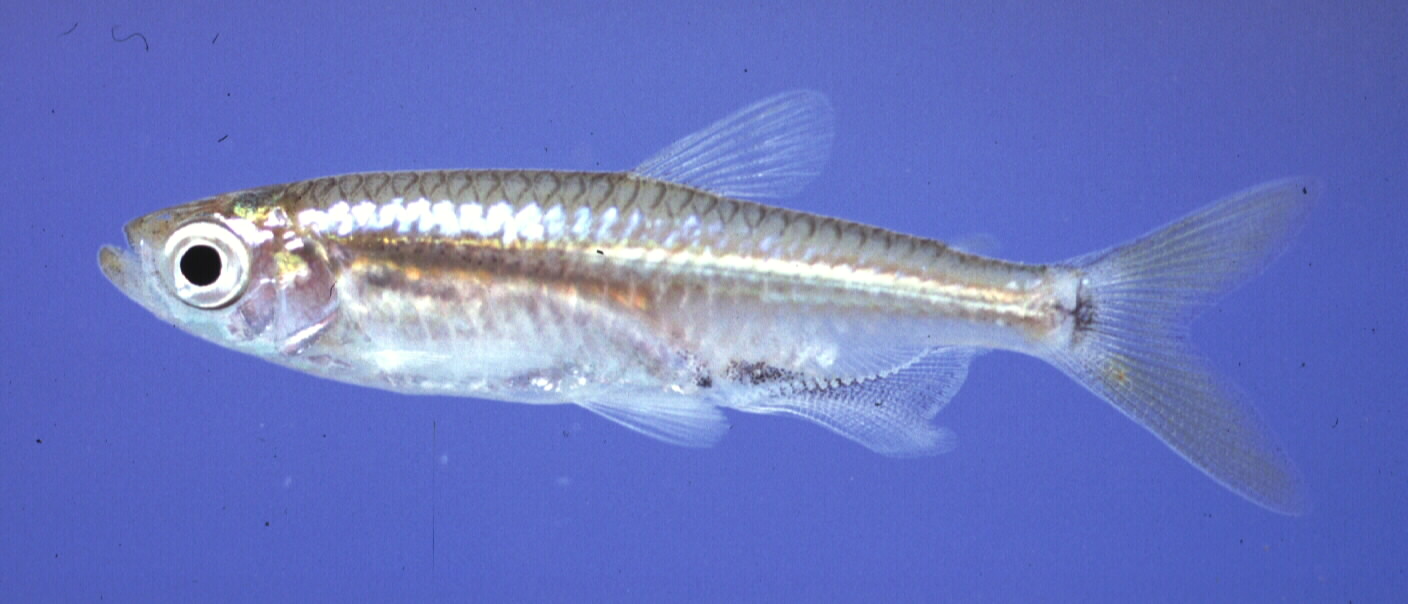
Bigeye tetra (Alestes macrophthalmus) — Alestidae — 3
iNaturalist ((c) David Bygott, some rights reserved (CC BY-NC))
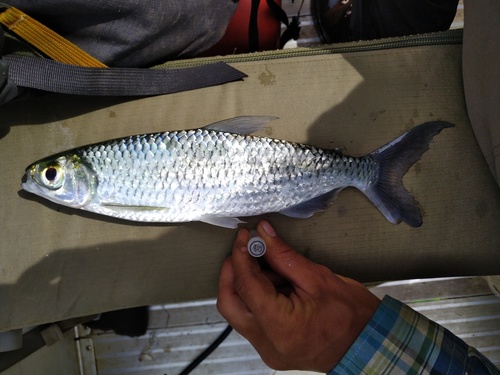
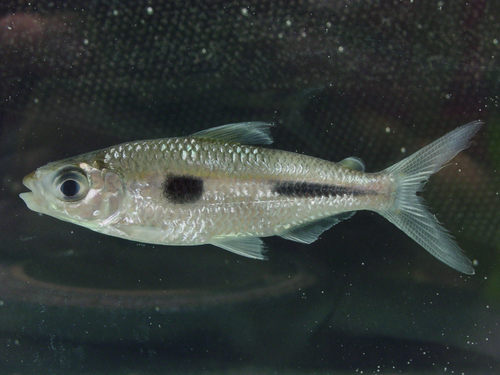
Bigeye tetra (Alestes macrophthalmus) — Alestidae — 4
iNaturalist ((c) Fish and Benthos survey Chinko, some rights reserved (CC BY-NC))
Bigeye tetra (Alestes macrophthalmus) — Alestidae — 5
iNaturalist ((c) thierry_aebischer_chinko, some rights reserved (CC BY-NC))
Fin

Want the complete picture on the Bigeye tetra?

Point your camera at the fish and Fin names the species in seconds. Free, and the Bigeye tetra is one of 12,519 species in the app.

Get the app →

All data

Identification

English name
Bigeye tetra verified
Scientific name
Alestes macrophthalmus
Family
Alestidae
Other names
Torpedo robber sourced

Appearance

Size class
Large verified
Max length (cm)
60.0 verified
Body shape
Torpedo-shaped sourced
Dominant colour
Silver / grey sourced
Pattern
Plain sourced
Tail shape
Forked inferred
Mouth position
Terminal inferred
Lips
Thick / fleshy inferred
Barbels
No verified
Dorsal fins
One continuous sourced
Dorsal spines
No verified

Habitat & distribution

Water type
Freshwater verified
Substrate
Open water verified
Natural range
Fresh water of Central Africa, in the Congo and parts of the Nile basin, in rivers, lakes and floodplains. verified
Origin
Native verified

Behaviour & biology

Diet
Omnivore verified
Diet (detail)
Insects, seeds, fruits, plant parts and small fishes sourced
Social behaviour
Schooling verified
Territorial
No verified
Activity
Diurnal inferred
Reproduction
Separate sexes verified
Sexual dimorphism
No verified
Seasonality
Spawns in the rainy season on flooded banks and floodplains; eggs and larvae drift in open water. sourced
Special features
Large, silvery African characin with large eyes, large scales and an adipose fin; forms active shoals in open water. sourced

For anglers

Edibility
Highly prized verified
Fishing method
Angling with seed, paste bait or insect in rivers and lakes; a widely caught food fish sourced
Regulations source
FishBase ↗ inferred

Safety

Danger to humans
Harmless verified
First aid
None required: this species is harmless to humans. sourced

Status & sources

Sources
FishBase via GBIF (DwC-A), CC-BY-NC 4.0

Same genus Alestes

More from the family Alestidae

Fin

Want the complete picture on the Bigeye tetra?

Point your camera at the fish and Fin names the species in seconds. Free, and the Bigeye tetra is one of 12,519 species in the app.

Get the app →
Is this the Bigeye tetra? Get the app