 Fin's Fish Guide
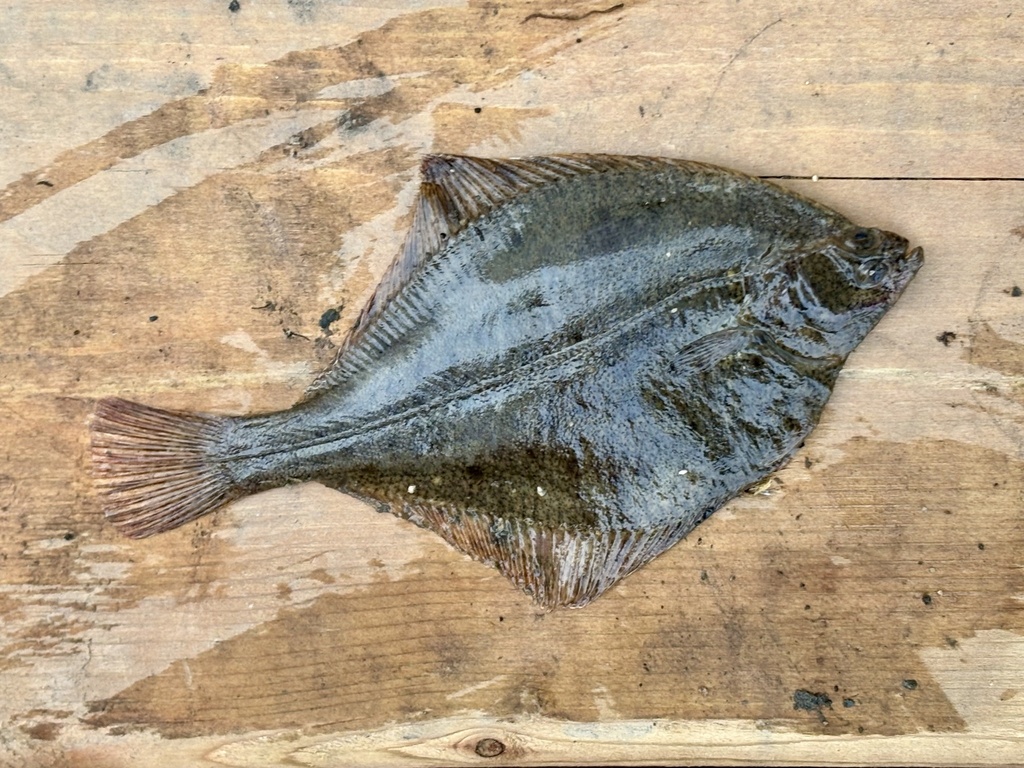
The Arctic flounder (Liopsetta glacialis) is a saltwater fish of the family Pleuronectidae that grows up to 44 cm.
Arctic coastal waters of the Arctic Ocean and adjacent northern seas around Siberia and North America, on sandy and silty bottoms; tolerates brackish water and enters estuaries and river mouths.
Description
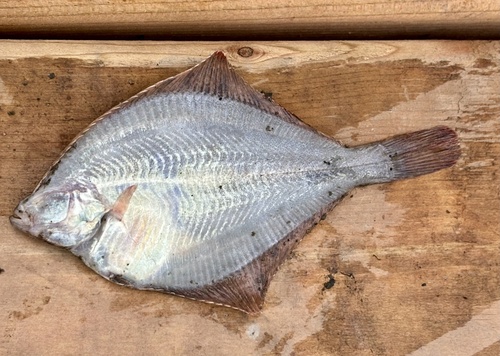
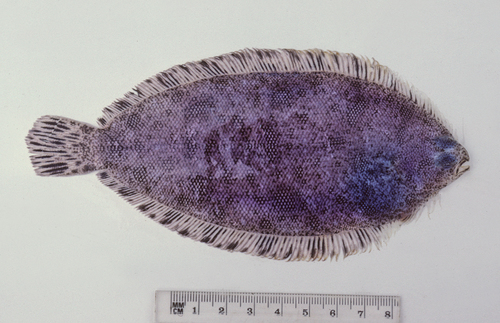
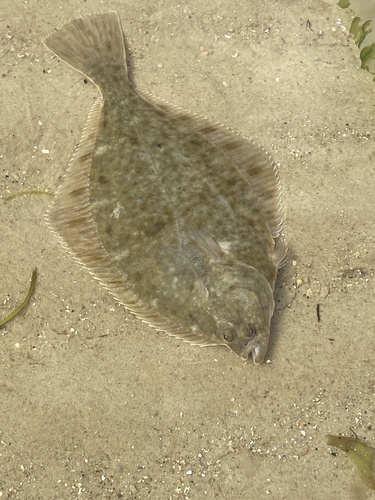
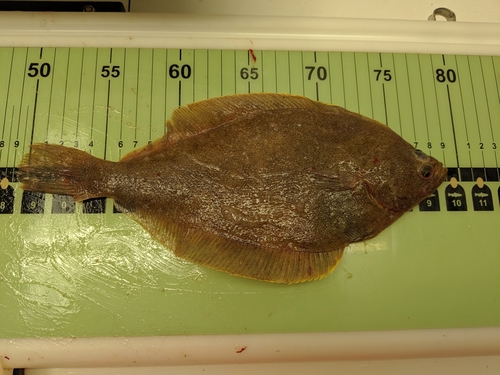
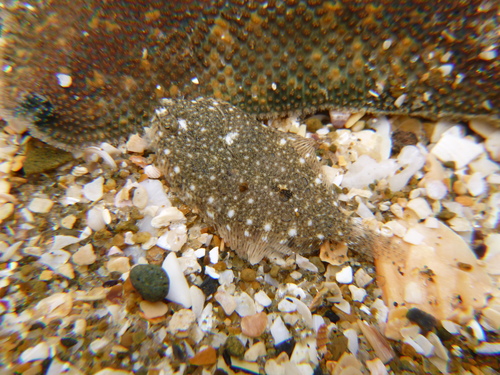
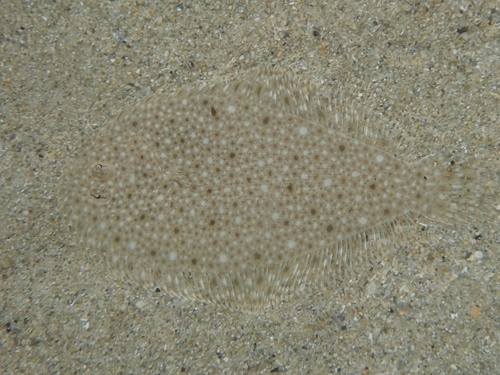
The Arctic flounder is a right-eyed flatfish of the family Pleuronectidae reaching about 44 cm. Both eyes lie on the right side, which is smooth and dark brown; the underside is white. The species is adapted to cold polar water and lives on sand and mud bottoms of the Arctic coastal waters of the Arctic Ocean and adjacent northern seas around Siberia and North America. It tolerates brackish water and enters estuaries and river mouths. On the bottom it hunts worms, small crustaceans and molluscs. It spawns in winter, often under the ice. Like all flatfish the young start symmetrical and, after metamorphosis, sink onto their side to the bottom. Locally it is a valued food fish for northern peoples.
Frequently asked questions
How do you recognise the Arctic flounder?
The Arctic flounder has a flatfish-shaped body, is mainly brown and shows a plain pattern. Right-eyed flatfish of cold polar seas with a smooth, dark brown eyed side; tolerates brackish water and enters river mouths.
Where does the Arctic flounder live?
The Arctic flounder lives in the sea (marine waters) and is mostly found around sand or mud bottom. Arctic coastal waters of the Arctic Ocean and adjacent northern seas around Siberia and North America, on sandy and silty bottoms; tolerates brackish water and enters estuaries and river mouths.
How big does the Arctic flounder get?
The Arctic flounder grows to a maximum of about 44 cm. On average the species is around 25 cm.
Is the Arctic flounder dangerous to humans?
No, the Arctic flounder is harmless to humans. None required: this species is harmless to humans.
Is the Arctic flounder edible?
Yes, the Arctic flounder is commonly eaten.
More photos

Want the complete picture on the Arctic flounder?
Point your camera at the fish and Fin names the species in seconds. Free, and the Arctic flounder is one of 12,519 species in the app.
All data
Identification
Appearance
Habitat & distribution
Behaviour & biology
For anglers
Safety
Status & sources
Same genus Liopsetta
More from the family Pleuronectidae

Want the complete picture on the Arctic flounder?
Point your camera at the fish and Fin names the species in seconds. Free, and the Arctic flounder is one of 12,519 species in the app.