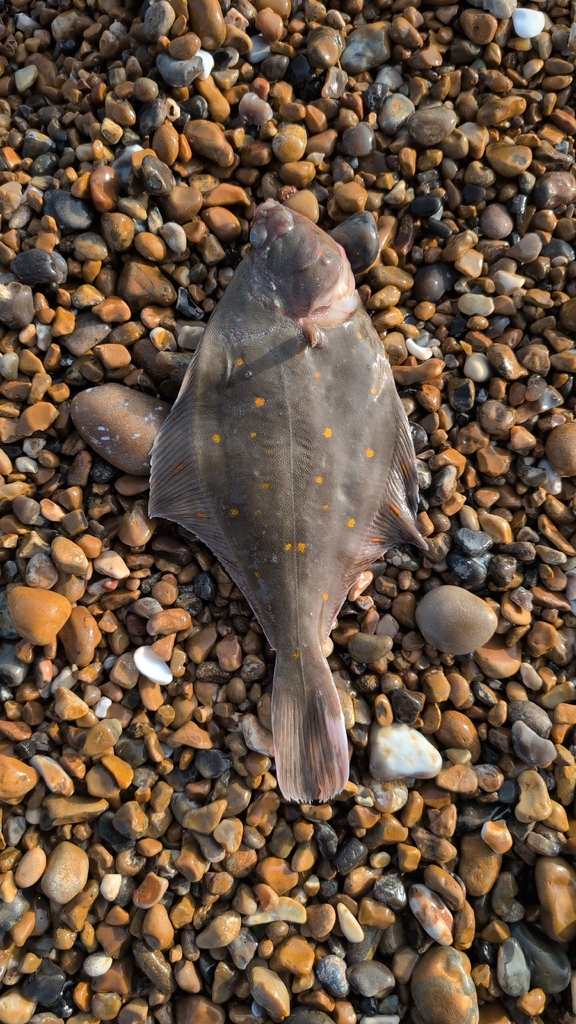
The European plaice (Pleuronectes platessa) is a brackish-water fish of the family Pleuronectidae that grows up to 100 cm.
Description
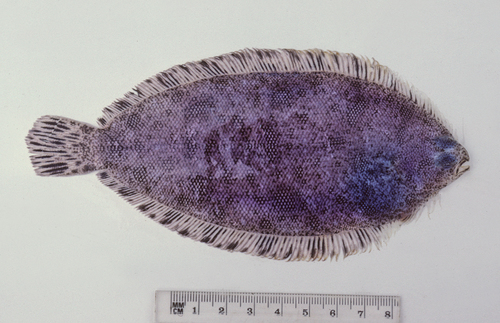
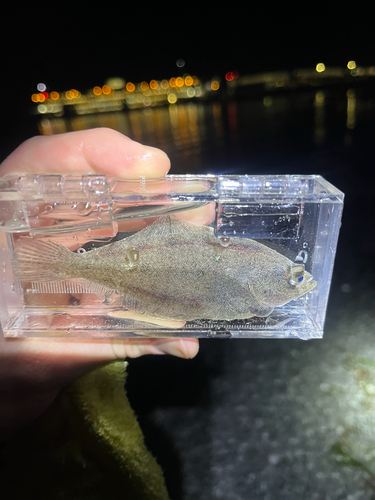
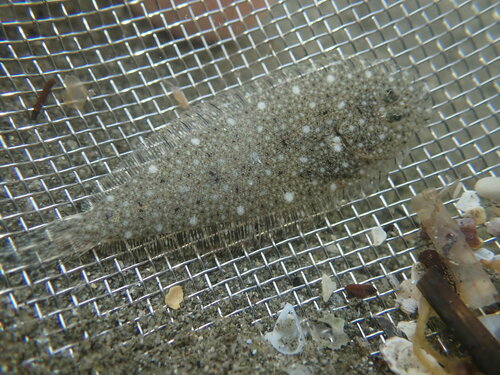
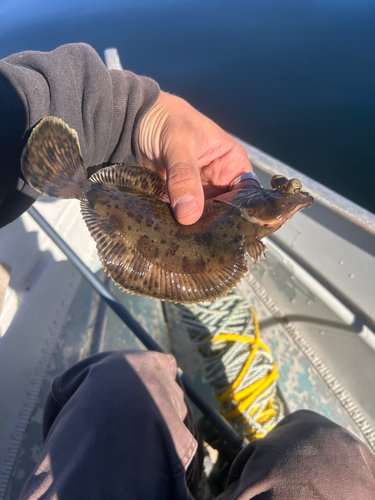
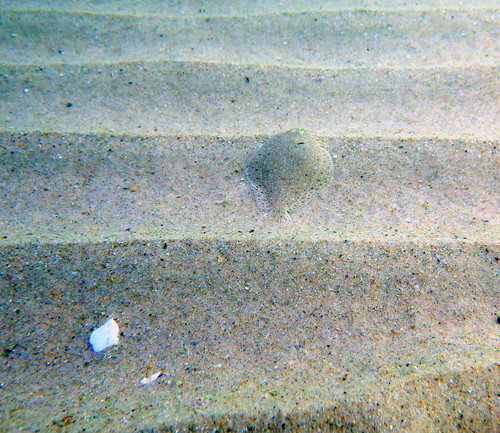
The European plaice is a right-eyed flatfish of the family Pleuronectidae that can reach about 100 cm but usually stays around 40 cm. The eyed side is smooth, brown to greenish-brown and scattered with conspicuous bright red-orange spots; the blind underside is white. A row of bony knobs lies behind the eyes. The plaice lives on sand and mud bottoms of the north-eastern Atlantic and North Sea, usually between 10 and 50 m, and is active at night. It feeds on thin-shelled molluscs and polychaete worms, makes long spawning migrations and can live exceptionally long. It is one of the most important flatfishes for fisheries.
Frequently asked questions
How do you recognise the European plaice?
The European plaice has a flattened, disc-shaped body, is mainly brown and shows a spots pattern.
Where does the European plaice live?
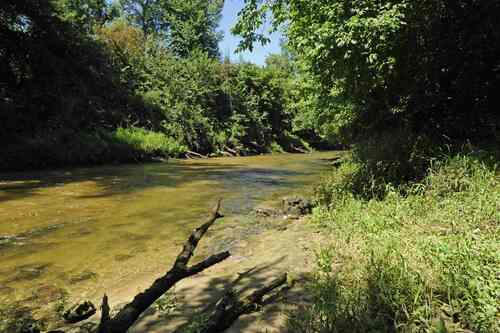
The European plaice lives in brackish water and is mostly found around sand or mud bottom.
How big does the European plaice get?
The European plaice grows to a maximum of about 100 cm. On average the species is around 40 cm.
Is the European plaice dangerous to humans?
No, the European plaice is harmless to humans.
Is the European plaice edible?
Yes, the European plaice is a highly prized food fish.
Download Fin's Fish Guide
Identify fish in seconds, log your catches and dives. Join the TestFlight beta.
All data
Identification
Appearance
Habitat & distribution
Behaviour & biology
For anglers
Safety
Status & sources
Same genus Pleuronectes
More from the family Pleuronectidae
Download Fin's Fish Guide
Identify fish in seconds, log your catches and dives. Join the TestFlight beta.