Home · Mormyridae · Moore's elephantfish
Moore's elephantfish (Marcusenius moorii) — Mormyridae

Moore's elephantfish

Marcusenius moorii
Family: Mormyridae
LC · Least Concern

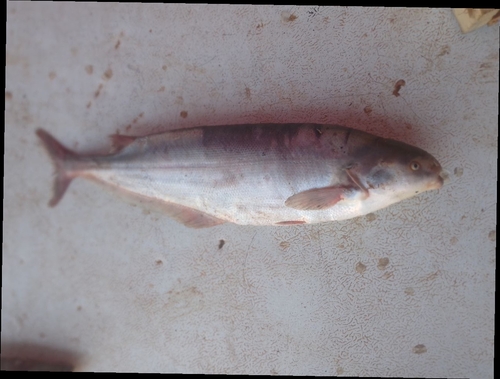
The Moore's elephantfish (Marcusenius moorii) is a freshwater fish of the family Mormyridae that grows up to 21 cm.

Length
21.4 cm
Water
Freshwater
Diet
Carnivore
Behaviour
Small groups
Activity
Nocturnal
Body shape
Torpedo-shaped
Substrate
Sand / mud bottom
Danger
Harmless
Range
Fresh water of West and Central Africa, in slow-moving water of rivers, creeks and swamps.
Edibility
Commonly eaten

Want the complete picture on the Moore's elephantfish?

Get the app

Description

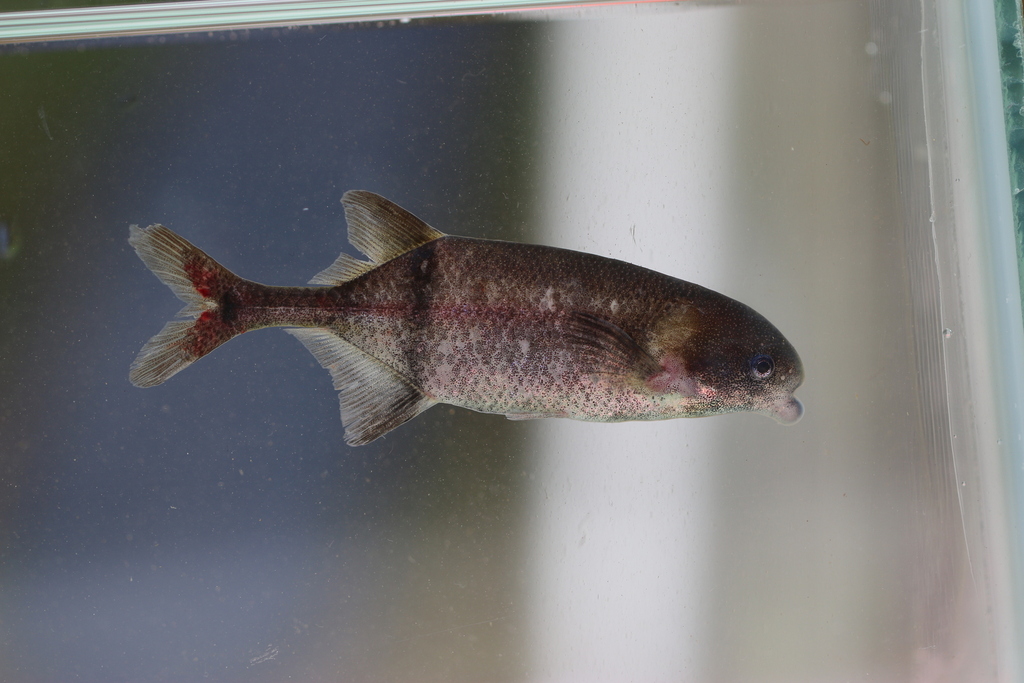
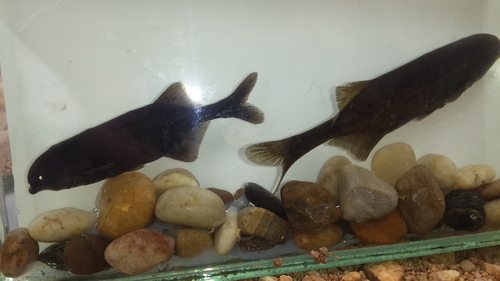
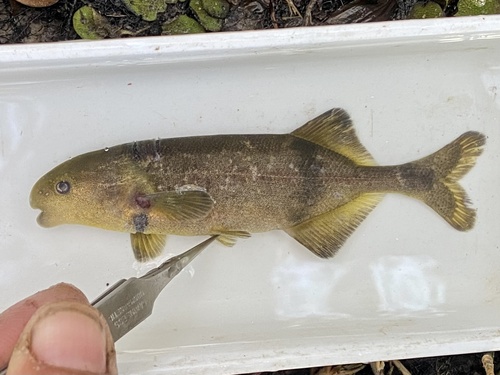
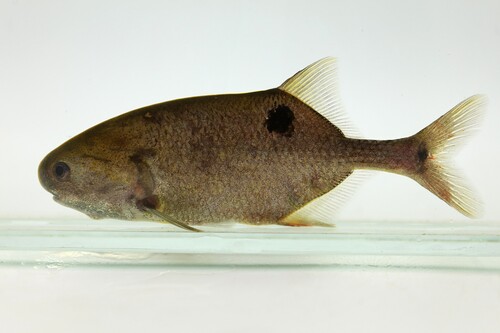
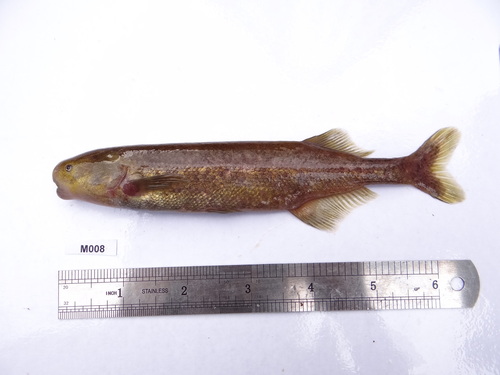
Moore's elephantfish is a dark elephantfish of the family Mormyridae (elephantfishes) reaching about 21 cm. Beneath the mouth sits a small, mobile chin projection with which the fish probes the bottom. Characteristic of the family is a weak electric organ in the tail base: with it the fish generates an electric field to orient itself in turbid water and communicate with conspecifics, and it has a remarkably large brain to process these signals. The species comes from West and Central Africa and lives in slow water of rivers, creeks and swamps. At night it searches the bottom for insect larvae, worms and small invertebrates. It is a locally valued food fish.

Frequently asked questions

How do you recognise the Moore's elephantfish?

The Moore's elephantfish has a torpedo-shaped body, is mainly brown and shows a plain pattern. Dark elephantfish with a short chin projection beneath the mouth and a weak electric organ with which it orients itself and communicates.

Where does the Moore's elephantfish live?

The Moore's elephantfish lives in fresh water and is mostly found around sand or mud bottom. Fresh water of West and Central Africa, in slow-moving water of rivers, creeks and swamps.

How big does the Moore's elephantfish get?

The Moore's elephantfish grows to a maximum of about 21 cm.

Is the Moore's elephantfish dangerous to humans?

No, the Moore's elephantfish is harmless to humans. None required: this species is harmless to humans.

Is the Moore's elephantfish edible?

Yes, the Moore's elephantfish is commonly eaten.

More photos

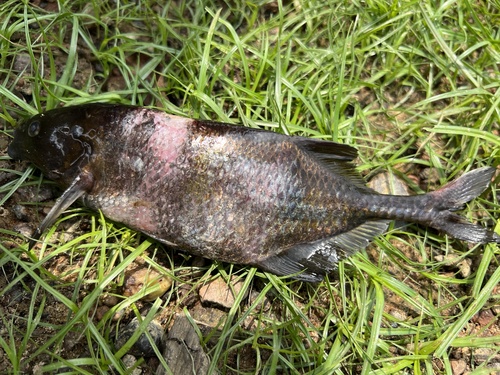
Moore's elephantfish (Marcusenius moorii) — Mormyridae — 2
Wikimedia Commons — Sullivan JP, Lavoué S, Hopkins CD (CC BY 4.0)
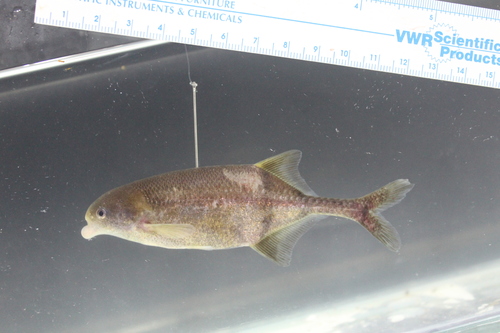
Moore's elephantfish (Marcusenius moorii) — Mormyridae — 3
iNaturalist ((c) Stefaneakame, some rights reserved (CC BY-NC))
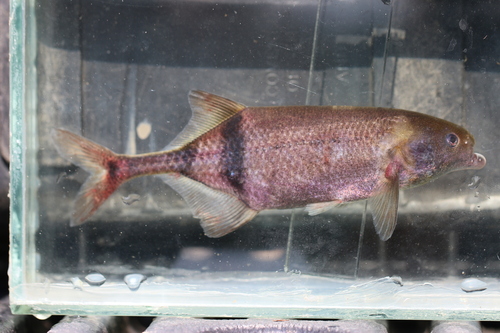
Moore's elephantfish (Marcusenius moorii) — Mormyridae — 4
iNaturalist ((c) joe_cutler, some rights reserved (CC BY-NC))
Moore's elephantfish (Marcusenius moorii) — Mormyridae — 5
iNaturalist ((c) Gina Walsh, some rights reserved (CC BY-NC))
Fin

Want the complete picture on the Moore's elephantfish?

Point your camera at the fish and Fin names the species in seconds. Free, and the Moore's elephantfish is one of 12,519 species in the app.

Get the app →

All data

Identification

English name
Moore's elephantfish verified
Scientific name
Marcusenius moorii
Family
Mormyridae

Appearance

Size class
Medium verified
Max length (cm)
21.4 verified
Body shape
Torpedo-shaped sourced
Dominant colour
Brown sourced
Pattern
Plain sourced
Tail shape
Forked inferred
Mouth position
Inferior (downward) inferred
Lips
Thick / fleshy inferred
Barbels
No verified
Dorsal fins
One continuous sourced
Dorsal spines
No verified

Habitat & distribution

Water type
Freshwater verified
Substrate
Sand / mud bottom verified
Natural range
Fresh water of West and Central Africa, in slow-moving water of rivers, creeks and swamps. verified
Origin
Native verified

Behaviour & biology

Diet
Carnivore verified
Diet (detail)
Insect larvae, worms and small invertebrates from the bottom sourced
Social behaviour
Small groups verified
Territorial
No verified
Activity
Nocturnal inferred
Reproduction
Separate sexes verified
Sexual dimorphism
No verified
Seasonality
Nocturnal bottom-dweller that finds its way with weak electrical pulses; spawns in the rainy season. sourced
Special features
Dark elephantfish with a short chin projection beneath the mouth and a weak electric organ with which it orients itself and communicates. sourced

For anglers

Edibility
Commonly eaten verified
Fishing method
Bottom fishing with natural bait (worm, shrimp or fish) on or just above the seabed. inferred
Regulations source
FishBase ↗ inferred

Safety

Danger to humans
Harmless verified
First aid
None required: this species is harmless to humans. sourced

Status & sources

Sources
FishBase via GBIF (DwC-A), CC-BY-NC 4.0

Same genus Marcusenius

More from the family Mormyridae

Fin

Want the complete picture on the Moore's elephantfish?

Point your camera at the fish and Fin names the species in seconds. Free, and the Moore's elephantfish is one of 12,519 species in the app.

Get the app →
Is this the Moore's elephantfish? Get the app