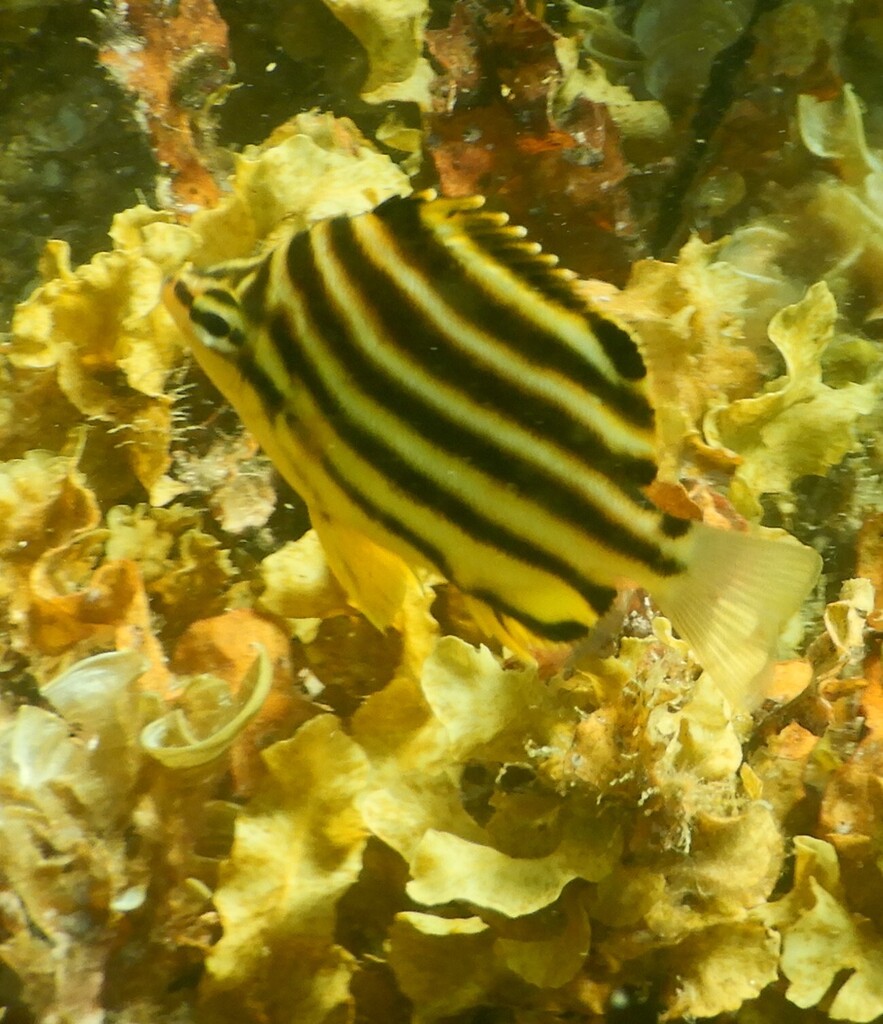
The Buttefly fish (Microcanthus strigatus) is a brackish-water fish of the family Kyphosidae that grows up to 16 cm.
Description
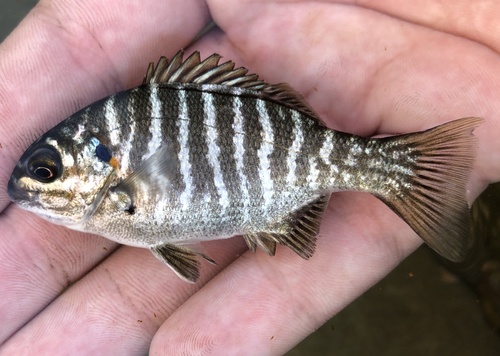
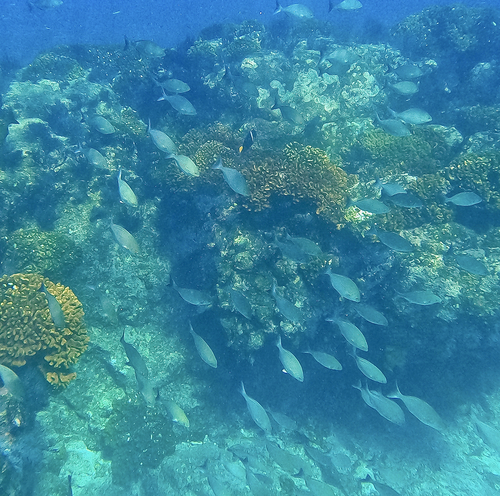
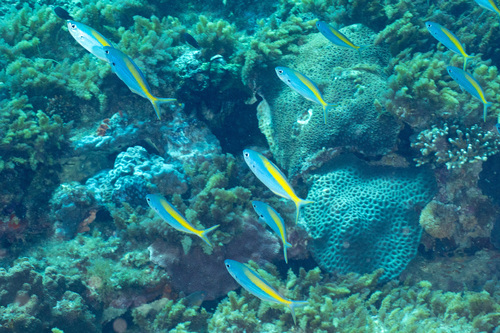
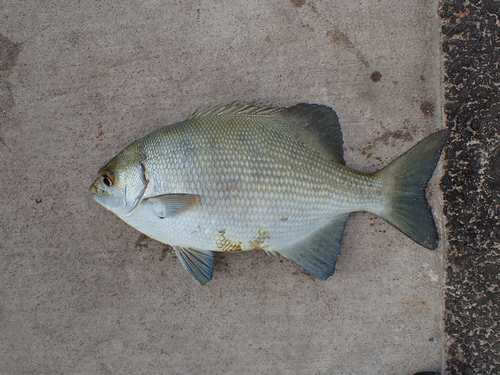
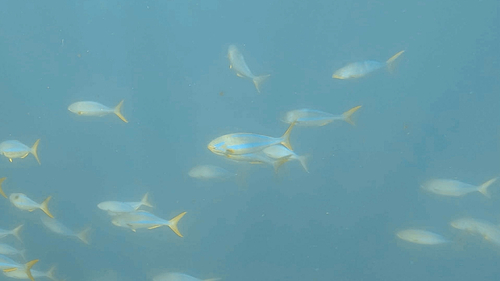
The stripey is a conspicuously striped reef fish of the family Microcanthidae (related to the sea chubs) from the Indo-West Pacific, with disjunct populations around Japan, Australia and Hawaii. The species reaches about 16 cm and has a deep, compressed, yellow-white body with black lateral stripes. It inhabits coastal and lagoon reefs and by day often stays in dense schools under ledges and in caves. The diet consists of algae and small invertebrates. It occurs from shallow water to about 140 m deep and is eaten locally.
Frequently asked questions
How do you recognise the Buttefly fish?
The Buttefly fish has a flattened, disc-shaped body, is mainly yellow-gold and shows a horizontal stripes pattern.
Where does the Buttefly fish live?
The Buttefly fish lives in brackish water and is mostly found around stony or rocky ground.
How big does the Buttefly fish get?
The Buttefly fish grows to a maximum of about 16 cm. On average the species is around 10 cm.
Is the Buttefly fish dangerous to humans?
No, the Buttefly fish is harmless to humans.
Is the Buttefly fish edible?
Yes, the Buttefly fish is commonly eaten.
Download Fin's Fish Guide
Identify fish in seconds, log your catches and dives. Join the TestFlight beta.
All data
Identification
Appearance
Habitat & distribution
Behaviour & biology
For anglers
Safety
Status & sources
More from the family Kyphosidae
Download Fin's Fish Guide
Identify fish in seconds, log your catches and dives. Join the TestFlight beta.