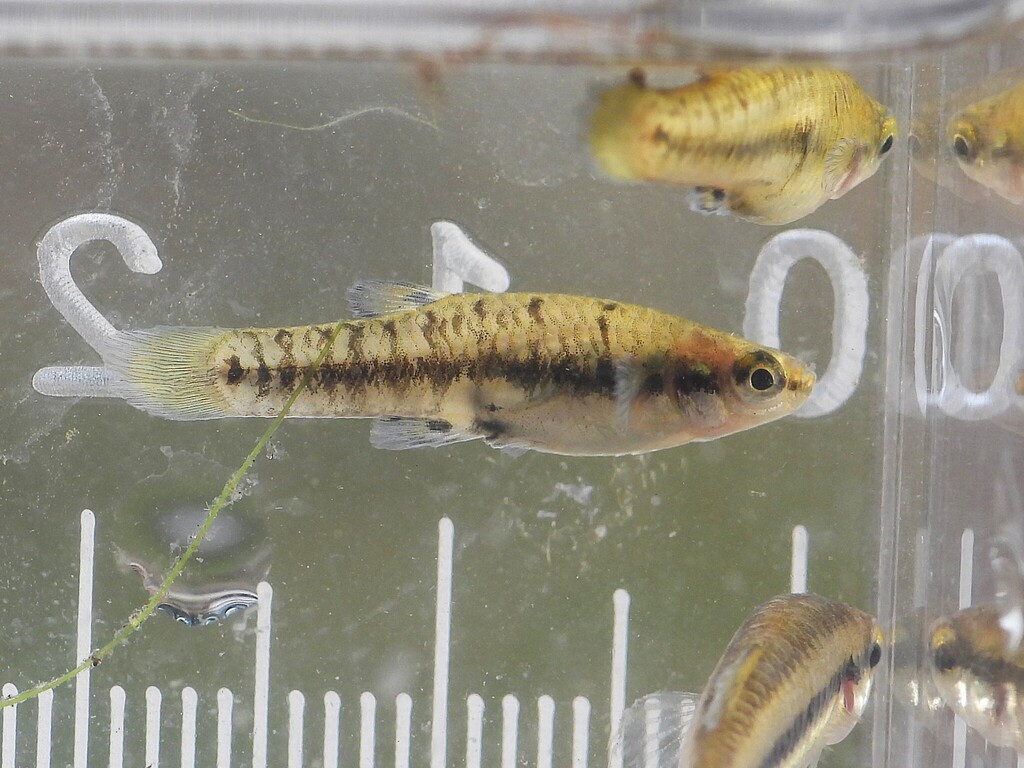
The Least killifish (Heterandria formosa) is a brackish-water fish of the family Poeciliidae that grows up to 4 cm.
Description
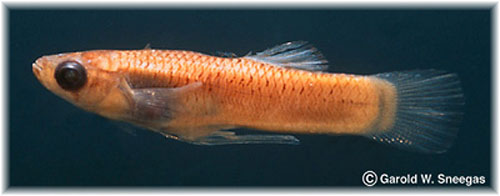
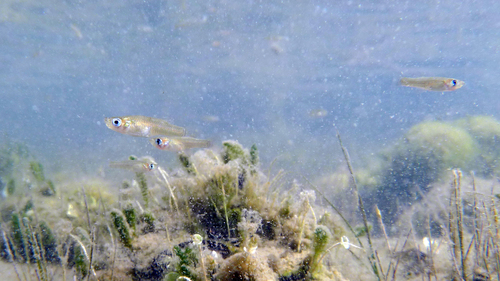
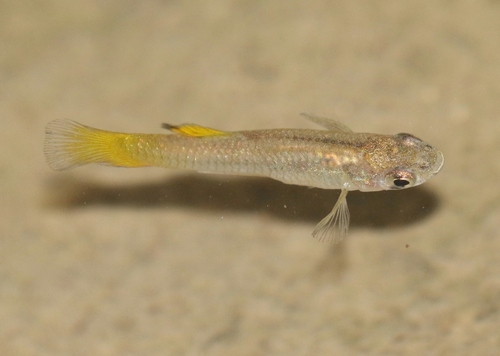
The least killifish is one of the smallest fishes in the world, a livebearing toothcarp of the family Poeciliidae from the south-eastern United States. The species grows to only about 2 to 3.5 cm; females are larger than males. It inhabits heavily vegetated, standing to slow-flowing fresh and brackish waters. Unlike most fishes the female gives birth to live young, in small numbers spread over several weeks (superfetation). As an omnivore it eats worms, small crustaceans, insects and algae. The species is popular in the aquarium. Owing to its small size it is harmless to humans.
Frequently asked questions
How do you recognise the Least killifish?
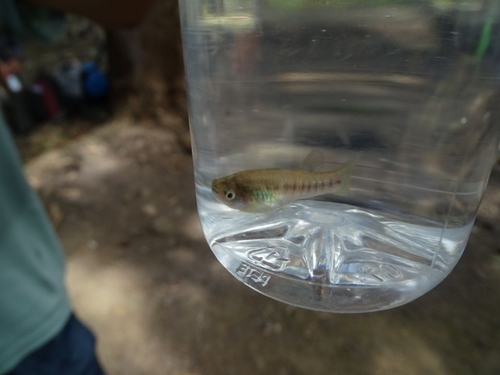
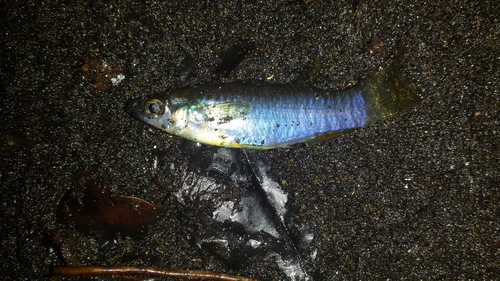
The Least killifish has a torpedo-shaped body, is mainly brown and shows a horizontal stripes pattern.
Where does the Least killifish live?
The Least killifish lives in brackish water and is mostly found around mixed bottom.
How big does the Least killifish get?
The Least killifish grows to a maximum of about 4 cm. On average the species is around 2 cm.
Is the Least killifish dangerous to humans?
No, the Least killifish is harmless to humans.
Is the Least killifish edible?
The Least killifish is not usually eaten.
Download Fin's Fish Guide
Identify fish in seconds, log your catches and dives. Join the TestFlight beta.
All data
Identification
Appearance
Habitat & distribution
Behaviour & biology
For anglers
Safety
Status & sources
Same genus Heterandria
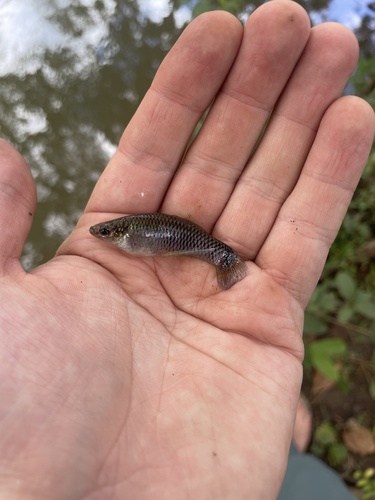
More from the family Poeciliidae


Download Fin's Fish Guide
Identify fish in seconds, log your catches and dives. Join the TestFlight beta.