
The European conger (Conger conger) is a saltwater fish of the family Congridae that grows up to 300 cm.
Description
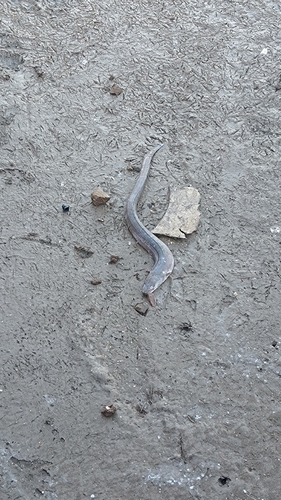
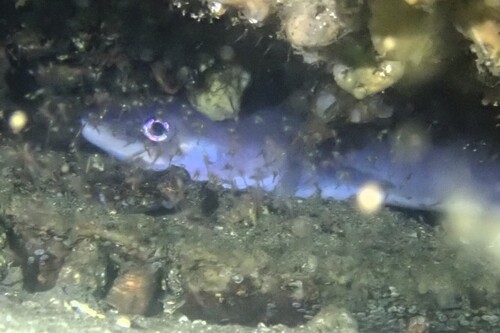
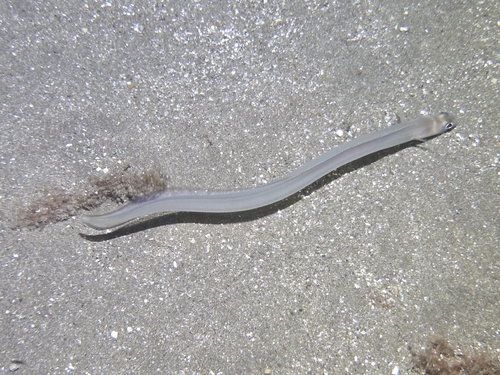
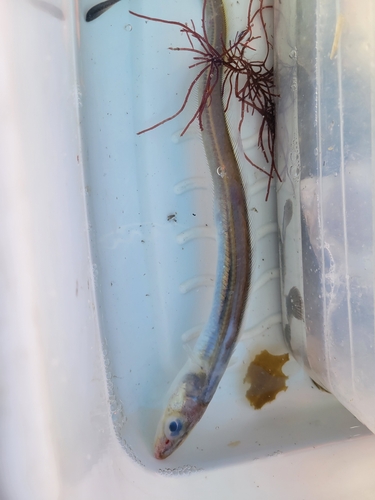
The European conger is a very large, scaleless marine eel of the family Congridae that can reach about 3 metres and tens of kilograms. The grey-black, snake-like body has a powerful head with strong jaws, and the dorsal, tail and anal fins merge into one continuous fringe. The species lives among rocks, in wrecks and on sand and mud bottoms of the north-eastern Atlantic, the North Sea and the Mediterranean, from the coast to more than a thousand metres. By day it shelters in holes; at night it hunts fish, squid and crustaceans. Adults migrate once to deep oceanic spawning grounds and die after reproducing. The conger is a popular, powerful sport fish.
Frequently asked questions
How do you recognise the European conger?
The European conger has a snake-like body, is mainly black and shows a plain pattern.
Where does the European conger live?
The European conger lives in the sea (marine waters) and is mostly found around sand or mud bottom.
How big does the European conger get?
The European conger grows to a maximum of about 300 cm. On average the species is around 100 cm.
Is the European conger dangerous to humans?
The European conger can bite, but is otherwise not dangerous to humans.
Is the European conger edible?
Yes, the European conger is commonly eaten.
Download Fin's Fish Guide
Identify fish in seconds, log your catches and dives. Join the TestFlight beta.
All data
Identification
Appearance
Habitat & distribution
Behaviour & biology
For anglers
Safety
Status & sources
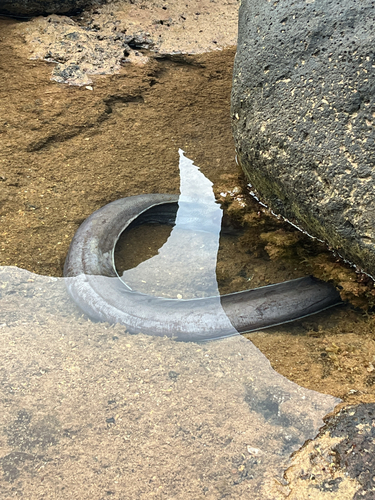
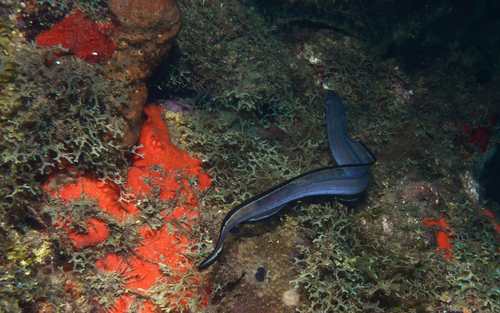
Same genus Conger

More from the family Congridae
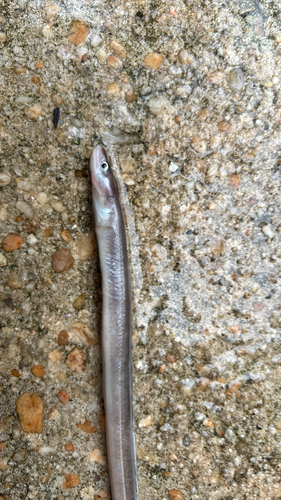

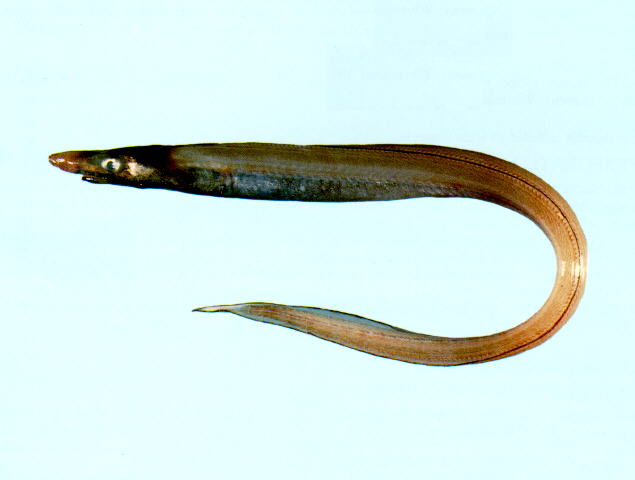
Download Fin's Fish Guide
Identify fish in seconds, log your catches and dives. Join the TestFlight beta.