 Fin's Fish Guide

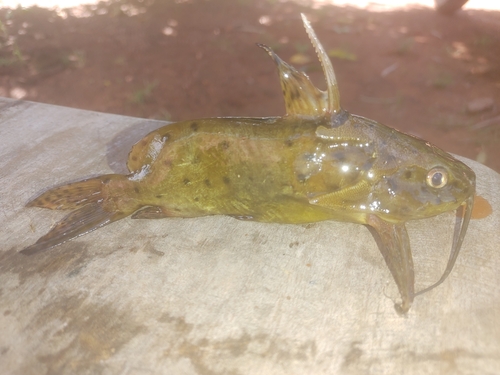
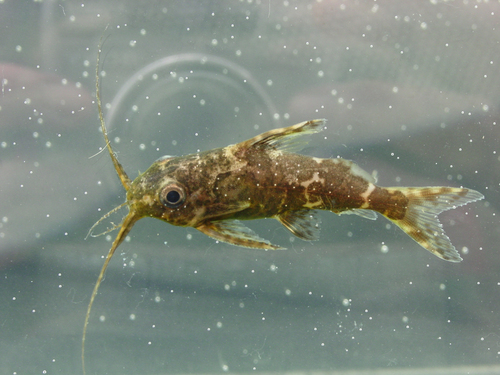
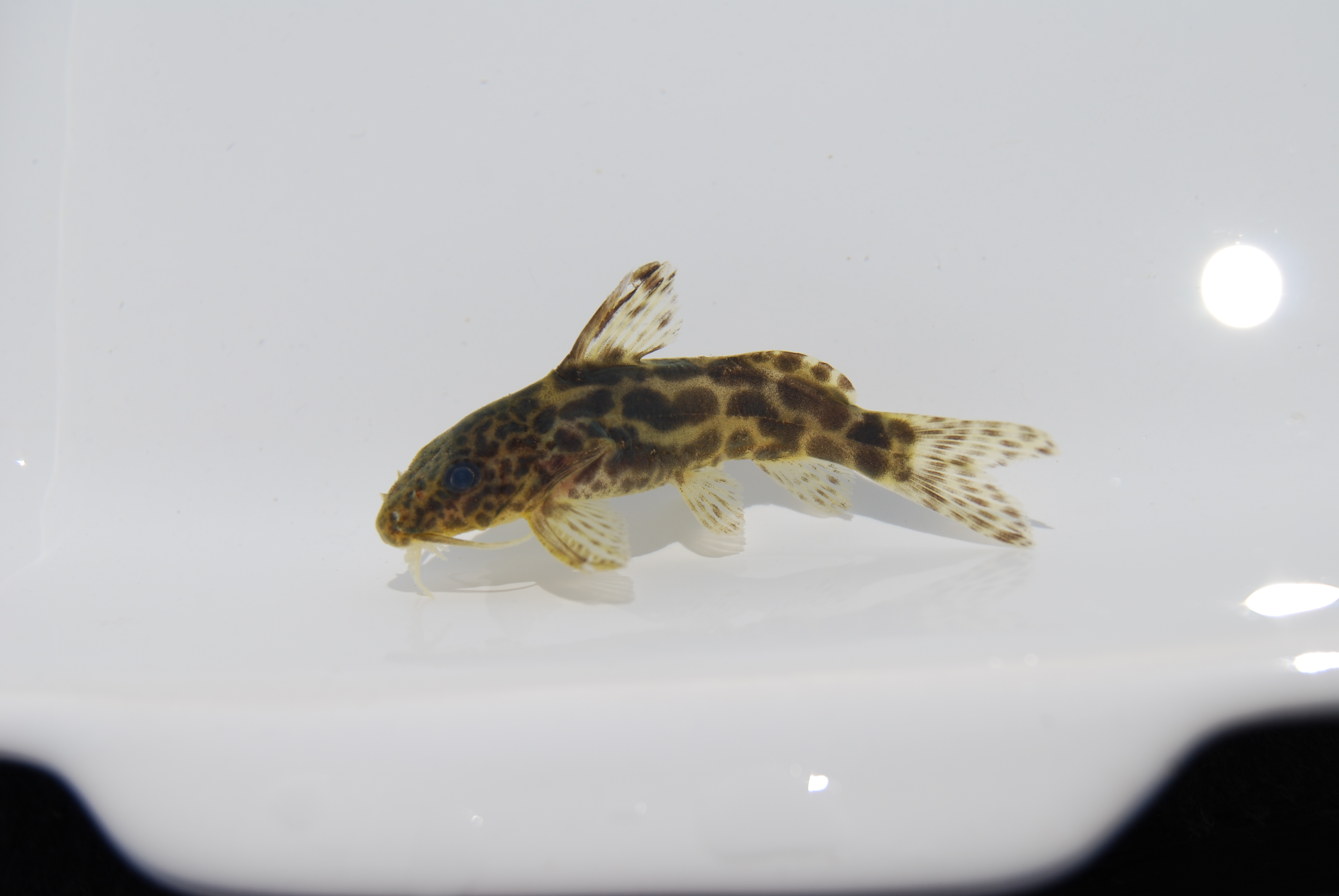
The Catfish (Synodontis batensoda) is a freshwater fish of the family Mochokidae that grows up to 29 cm.
Description
The giant upsidedown catfish is an African catfish of the family Mochokidae occurring in the Nile, Lake Chad and West African river systems. The species grows to about 30 cm and is notable for often swimming upside down, with its dark belly turned upward as camouflage. It has barbels, an adipose fin and sharp fin spines. As an omnivore it feeds on plankton, algae and detritus, as well as surface insects, midge larvae and small bottom animals. The species is of local commercial importance and regularly eaten. The fin spines can cause painful injuries.
Frequently asked questions
How do you recognise the Catfish?
The Catfish has a torpedo-shaped body, is mainly black and shows a plain pattern. Often swims upside down with the dark belly uppermost as camouflage; sharp fin spines.
Where does the Catfish live?
The Catfish lives in fresh water and is mostly found around mixed bottom. North and West Africa; Nile, Lake Chad and West African river systems.
How big does the Catfish get?
The Catfish grows to a maximum of about 29 cm.
Is the Catfish dangerous to humans?
The Catfish is venomous — handle spines with care and seek medical help after a sting if needed. The stout, sharp fin spines can cause painful puncture or cut wounds; handle the fish with care. Clean the wound, let it bleed, and seek medical care if pain or infection increases.
Is the Catfish edible?
Yes, the Catfish is commonly eaten.
More photos



Want the complete picture on the Catfish?
Point your camera at the fish and Fin names the species in seconds. Free, and the Catfish is one of 12,519 species in the app.
All data
Identification
Appearance
Habitat & distribution
Behaviour & biology
For anglers
Safety
Status & sources
Same genus Synodontis

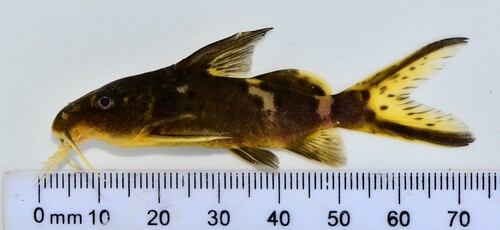
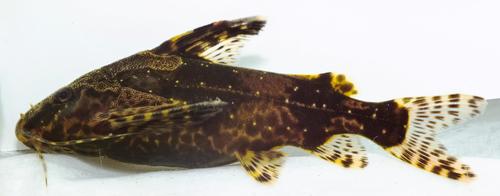
More from the family Mochokidae

Want the complete picture on the Catfish?
Point your camera at the fish and Fin names the species in seconds. Free, and the Catfish is one of 12,519 species in the app.