 Fin's Fish Guide
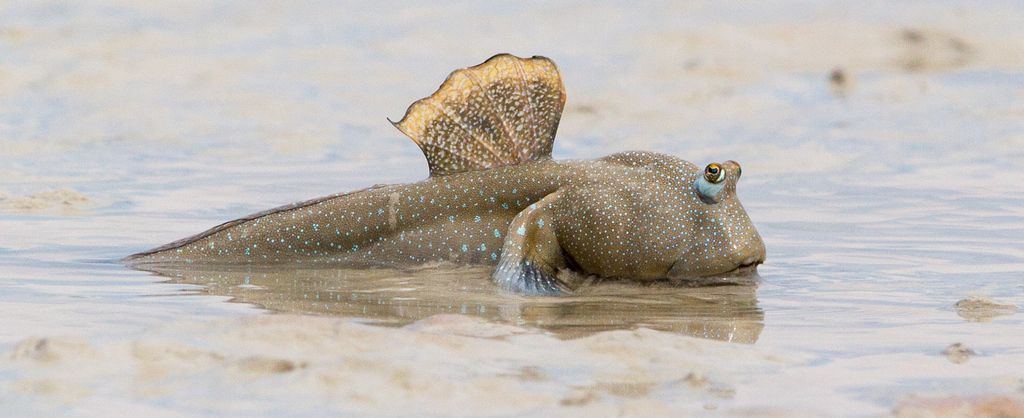
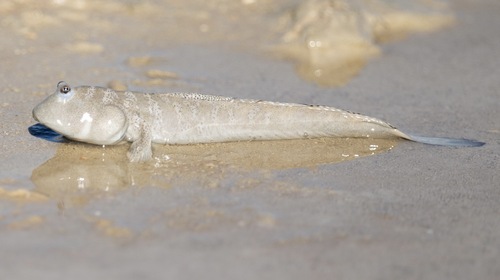
The Blue-spotted mudskipper (Boleophthalmus caeruleomaculatus) is a fish that lives in both fresh and salt water of the family Gobiidae that grows up to 17 cm.
Description
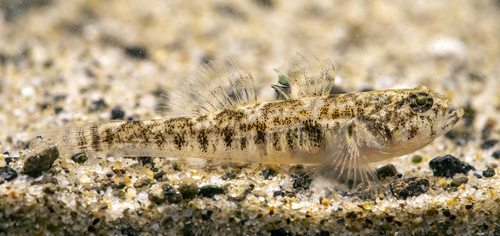
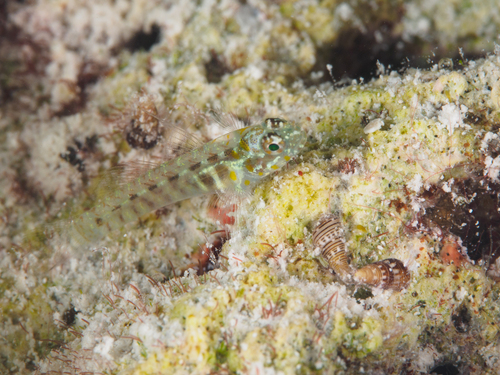
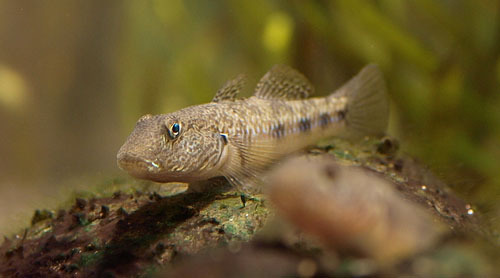
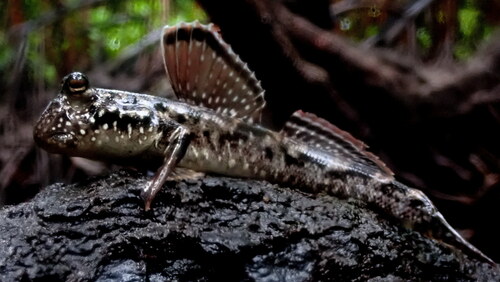
The blue-spotted mudskipper is a mudskipper (Oxudercidae) from tidal and mangrove areas of northern Australia and adjacent New Guinea. The species grows to about 17 cm and has an elongate, brown-grey body with numerous light-blue spots and high-set eyes. At low tide it crawls over the exposed mud and scrapes diatoms and algae with its mouth; it breathes air through skin and gill cavity and defends a territory. The fish is harmless to humans.
Frequently asked questions
How do you recognise the Blue-spotted mudskipper?
The Blue-spotted mudskipper has an elongate, eel-like body, is mainly brown and shows a spots pattern.
Where does the Blue-spotted mudskipper live?
The Blue-spotted mudskipper lives in both fresh and salt water and is mostly found around sand or mud bottom. Oceania: Australia
How big does the Blue-spotted mudskipper get?
The Blue-spotted mudskipper grows to a maximum of about 17 cm.
Is the Blue-spotted mudskipper dangerous to humans?
No, the Blue-spotted mudskipper is harmless to humans. This species is harmless to humans. No specific first aid is needed. Still handle the fish with care: mind the fin rays and the sharp edges of the gill cover, and rinse any scratch with clean water and cover it. For a dirty or deep wound check tetanus status.
More photos


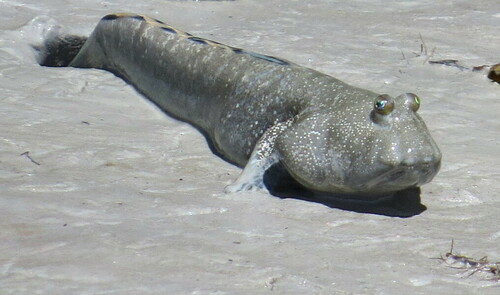

Want the complete picture on the Blue-spotted mudskipper?
Point your camera at the fish and Fin names the species in seconds. Free, and the Blue-spotted mudskipper is one of 12,519 species in the app.
All data
Identification
Appearance
Habitat & distribution
Behaviour & biology
For anglers
Safety
Status & sources
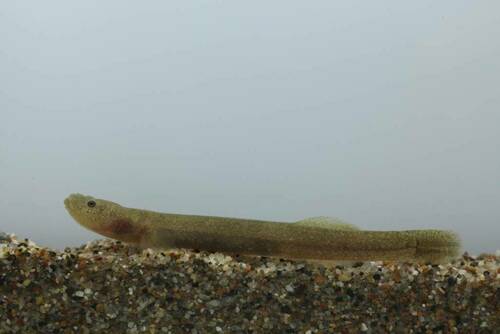
Same genus Boleophthalmus
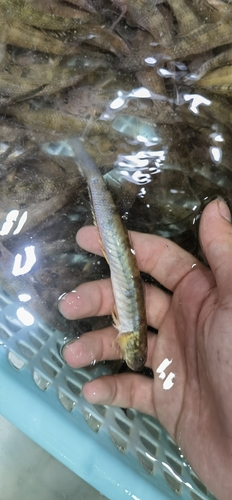
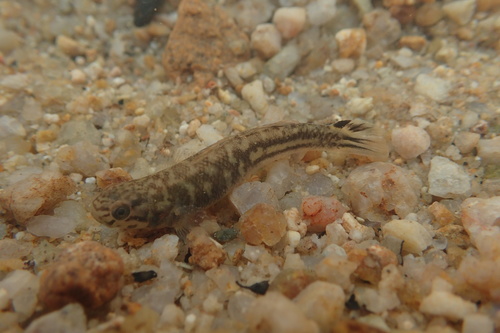
More from the family Gobiidae

Want the complete picture on the Blue-spotted mudskipper?
Point your camera at the fish and Fin names the species in seconds. Free, and the Blue-spotted mudskipper is one of 12,519 species in the app.