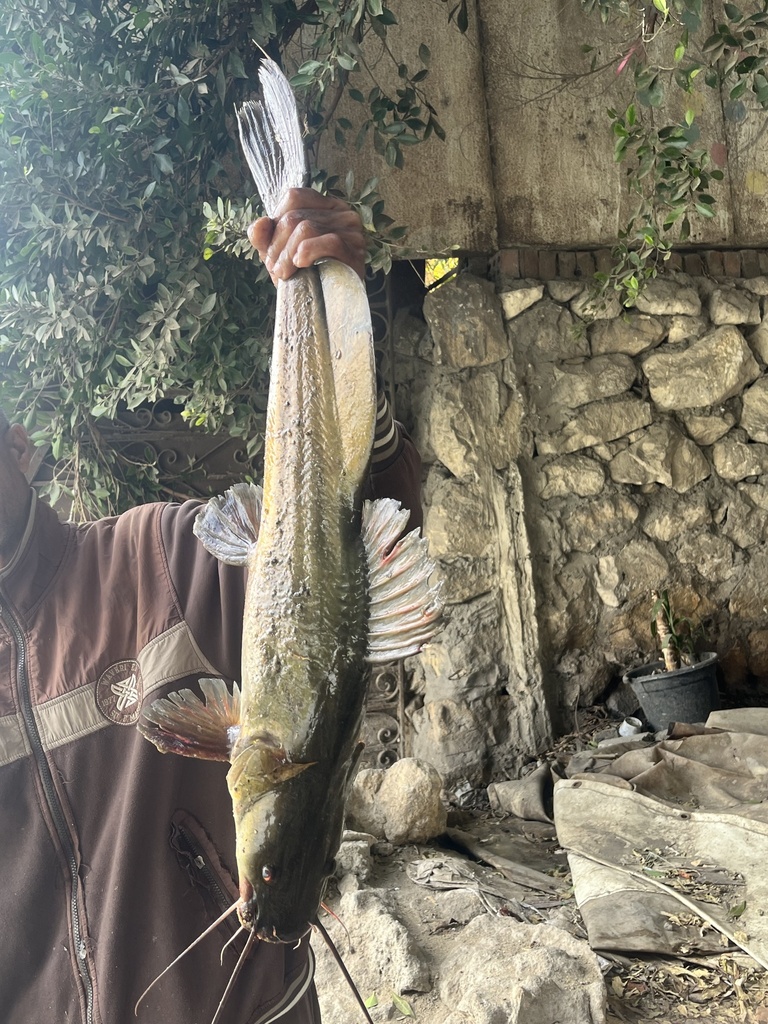
The Bayad (Bagrus bajad) is a freshwater fish of the family Bagridae that grows up to 112 cm.
Description
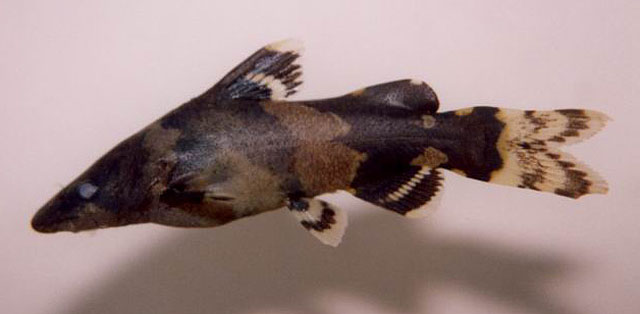
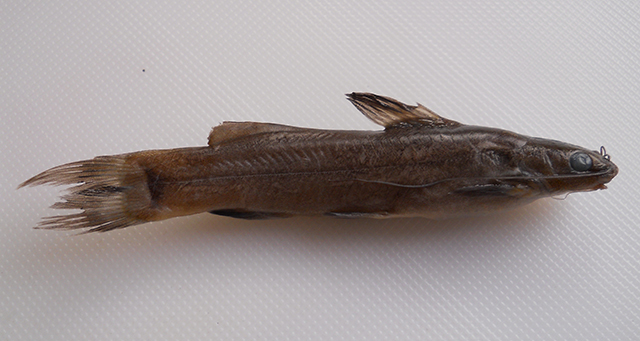
The bayad (Bagrus bajad) is a large African catfish of the family Bagridae from the Nile, Lake Chad, the Niger and other waters of the Sahel region. The species has a streamlined, silvery-grey body with a broad head, four pairs of barbels and strong fin spines, and can exceed one metre. It inhabits lakes, swamps and rivers and avoids salt water. By day it shelters almost the whole day in rock crevices; at night it hunts as a predator on fishes, insects and invertebrates. The species is a valued sport and food fish that is fished commercially. The fin spines can cause painful puncture wounds.
Frequently asked questions
How do you recognise the Bayad?
The Bayad has a torpedo-shaped body, is mainly silver-grey and shows a plain pattern.
Where does the Bayad live?
The Bayad lives in fresh water and is mostly found around sand or mud bottom.
How big does the Bayad get?
The Bayad grows to a maximum of about 112 cm. On average the species is around 50 cm.
Is the Bayad dangerous to humans?
No, the Bayad is harmless to humans.
Is the Bayad edible?
Yes, the Bayad is commonly eaten.
Download Fin's Fish Guide
Identify fish in seconds, log your catches and dives. Join the TestFlight beta.
All data
Identification
Appearance
Habitat & distribution
Behaviour & biology
For anglers
Safety
Status & sources
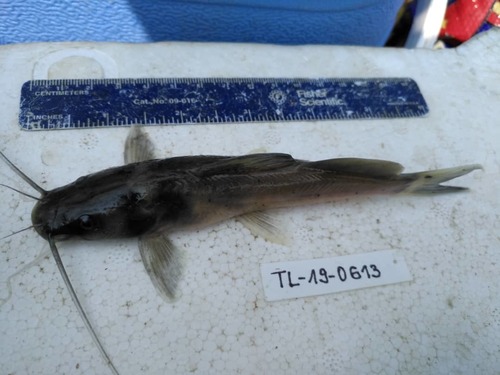
Same genus Bagrus
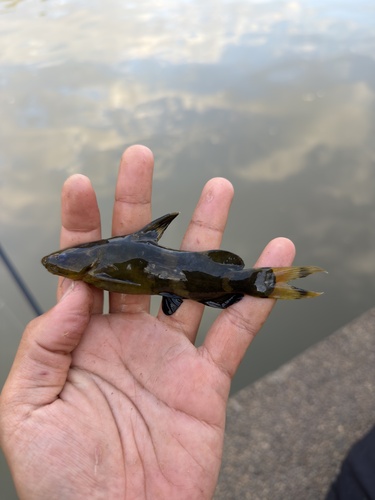
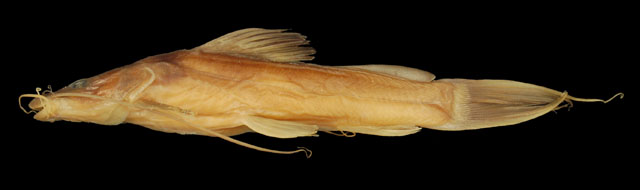
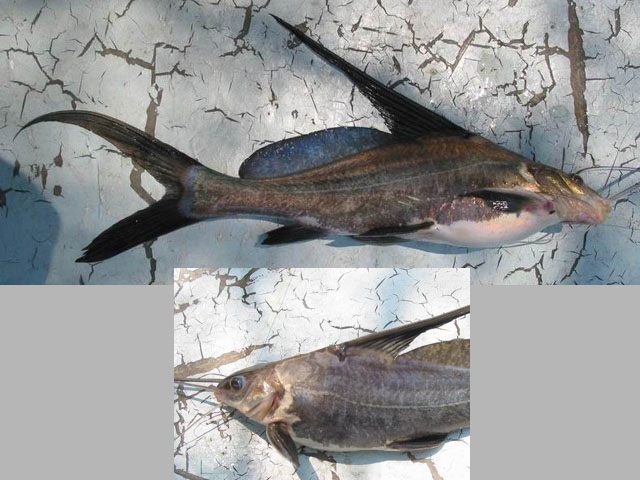
More from the family Bagridae

Download Fin's Fish Guide
Identify fish in seconds, log your catches and dives. Join the TestFlight beta.